




For decades, Bali’s story has been shaped by one dominant narrative: mass tourism. It has brought opportunity, exposure, and an economy built around hosting the world.
But it has also brought pressures — on roads, water, waste systems, forests, and communities — that the island was never structurally prepared to absorb.
Today, Bali stands at a crossroads. The post-pandemic surge has pushed arrivals to new highs, yet floods, congestion, and overloaded infrastructure are showing us a clear truth: the old tourism model cannot carry Bali into the next decade.
But there is another model — quieter, steadier, more community-oriented — that is already changing the economic landscape of the island.
It’s called residential tourism.
A Long-Stay Resident Is Worth More Than 50 Traditional Tourists
When a European family or a professional couple decides to stay in Bali for 6–12 months, something powerful happens economically.
They don’t just spend on accommodation. They live here.
A typical residential tourism household will:
- Rent a villa long-term for between Rp400–800 million per year;
- Hire two to three local staff;
- Spend on local schools (often Rp300–500 million a year for two children);
- Buy groceries locally;
- Eat in local restaurants;
- Use local transport;
- Support neighbourhood warung;
- Join gyms, co-working spaces, and wellness centres;
- Engage local artisans, contractors, and service providers.
Suddenly, one single family is injecting US$50,000–80,000 per year directly into Bali’s local economy — without the surge and strain that short-term holiday traffic brings.
Now imagine 100,000 such families integrated across Bali.
This would create:
- Tens of thousands of stable local jobs;
- Less traffic compared to short-term tourism;
- Steady, predictable revenue for local businesses;
- Long-term relationships between residents and their communities;
- More tax revenue from PT PMA structures and small and medium enterprises (SMEs);
- Less pressure on nature, water, waste, and roads.
Residential tourism is not about more people. It’s about a better balance.
Lower Ecological Impact, Higher Economic Value
One of the biggest misunderstandings in Bali today is the belief that “more visitors equals more prosperity.”
This is simply no longer true.
Short-term mass tourism creates daily churn — airport movements, taxis, scooters, daily laundry loads, plastic waste, and a constant turnover of people rushing to “see Bali in seven days.”
Residential tourism families, on the other hand:
- Drive less;
- Consume less;
- Produce less waste;
- Participate in local culture;
- Spend more consistently and sustainably;
- Raise children here, which brings a deep respect and long-term connection to local life.
Economically, they contribute more. Ecologically, they burden the island far less.
This is the win-win Bali has been missing.
A Model Aligned With Bali’s Cultural Foundations
Residential tourism inherently supports something Bali has always valued: community continuity.
Families living here for longer periods naturally participate in:
- Local banjar activities;
- Cultural events;
- School communities;
- Regular engagement with local staff and neighbours;
- Long-term relationships with Bali as a second home.
This creates an environment where cultures meet with mutual respect, not rushed consumption. Foreigners become contributors rather than visitors, and local communities benefit from predictable income, cultural exchange, and a shared sense of place.
SMEs Gain the Most
Another strength of residential tourism is its multiplier effect on local small businesses.
When long-stay families engage with…
- Local food suppliers;
- Home-based caterers;
- Local contractors and craftsmen;
- SME partnerships through PT PMA structures;
- Local produce markets;
- Independent teachers, guides, healers, therapists;
…they subsequently create a consistent economy that stays in the community — rather than leaking out to international hotel chains or offshore booking platforms.
In fact, properly-run PT PMA structures — something we at Seven Stones Indonesia strongly advocate — often collaborate with SMEs (also known, in Indonesian, as Usaha Mikro, Kecil, dan Menengah or UMKM) to gain tax benefits and support local business growth. This creates a very Indonesian model of partnership: mutually beneficial, community-based, and long-term.
The Right Model for Bali’s Next 10 Years
All regions in the world eventually reach a point where tourism demands reinvention. Bali is no exception. The island cannot continue to grow on an old model of short-stay volume tourism while facing:
- Flooding;
- Deforestation;
- Water scarcity;
- Overloaded roads;
- Village land pressure;
- Waste system collapse;
- Cultural strain.
Residential tourism offers a refreshing alternative — one that aligns with Bali’s soul, its cultural rhythm, and its economic aspirations.
This is not about limiting tourism. It’s about diversifying it.
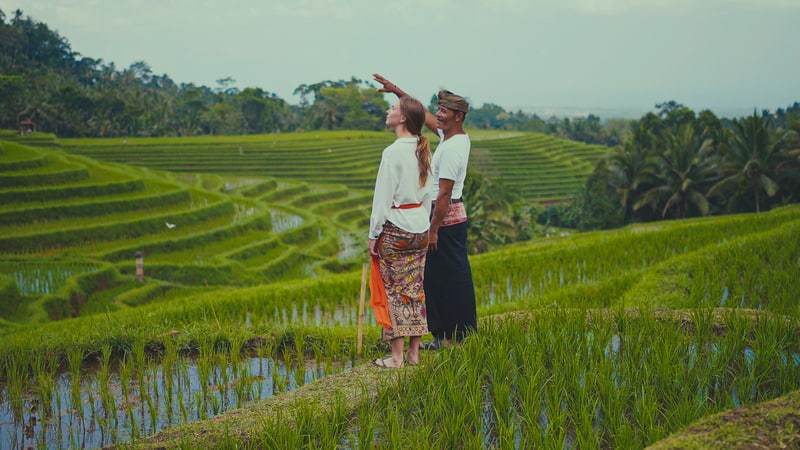
Where Seven Stones Indonesia Stands
For years, Seven Stones Indonesia has advocated for responsible investment, proper licensing, clean company structures, and community integration. Our belief has always been that Bali’s future depends on better systems, better planning, and better alignment between investors and local communities.
Residential tourism fits that future perfectly.
It creates:
- Sustainable income;
- Long-term jobs;
- Cultural harmony;
- Lower ecological pressure;
- Legal, structured business opportunities;
- Stronger collaboration between expats and Balinese communities.
And above all, it supports a more livable Bali — for everyone.
A New Path Forward
If Bali embraces residential tourism deliberately — through zoning, infrastructure planning, and responsible investment frameworks — it can redefine its economic identity for the next decade.
A Bali where people don’t just visit, but belong.
A Bali where culture is not consumed, but respected and lived with.
A Bali where investment is sustainable, and the community benefits first.
A Bali where foreign residents are not just guests, but partners in building a balanced future.
Residential tourism may not be loud, flashy, or headline-grabbing. But it is the quiet engine that can carry Bali forward — stronger, steadier, and more resilient than ever.
If you’re planning to invest, relocate, or establish a residential tourism–friendly business in Bali, we would be happy to help you plan the right steps. Contact Seven Stones Indonesia at hello@sevenstonesindonesia.com for insights tailored to your vision.