



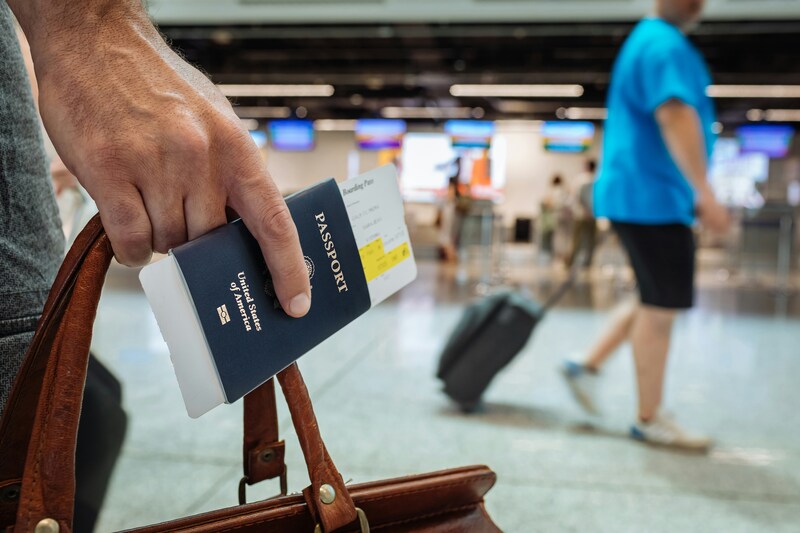
Indonesia strengthens border security and immigration screening as visa-free entry dropped significantly in the first half of the year 2026.
The Directorate General of Immigration, under the Indonesian Ministry of Immigration and Corrections, reduced the issuance of Visa-Free Visit permits (Bebas Visa Kunjungan or BVK) by 87.91% during the first half of the year 2026. The decision forms part of the Indonesian government’s implementation of a selective policy aimed at screening the entry of high-quality foreign nationals.
“We are prioritising digital transformation and a selective policy to ensure that every foreign national entering Indonesia contributes added value to the national economy without compromising national security,” said the Director General of Immigration, Hendarsam Marantoko, on Sunday, the 12th of July.
To be more precise, the tighter policy by Immigration resulted in the number of Visa-Free Visit permits issued falling sharply from 438,423 in the first half of 2025 to 52,999 during the same period this year. Despite the decline, however, Non-Tax State Revenue from the visa sector increased by 6.42% to approximately Rp2.81 trillion.
Overall, the total number of visas issued between January and June 2026 reached 3,924,500, which was a decrease of 6.77% compared with the same period last year. The most frequently issued visa category was the Visa on Arrival, with 3,481,490 visas issued, followed by the C1 Visit Visa with 113,323 issuances and the C20 visa for equipment installation with 83,852 issuances.
Additionally, the Golden Visa programme has recorded 143 issuances thus far.
By country of origin, during the first half of this year, the largest number of international visitors to Indonesia came from Australia, with 848,802 arrivals, followed by China with 668,432, India with 334,107, South Korea with 202,101, and the United States with 186,463.
In addition to tightening entry requirements, Immigration has also strengthened its monitoring of foreign nationals residing in Indonesia. During the first half of this year, authorities recorded 10,911 administrative immigration actions, including the cancellation of 3,260 residence permits and the deportation of immigration offenders.
Immigration has also initiated criminal proceedings against 23 foreign nationals thus far this year, with some cases still under investigation or before the courts. In addition, 2,102 foreign nationals on the immigration blacklist were successfully prevented from entering Indonesia, most of them due to previous immigration violations.
At the country’s border checkpoints, immigration officers delayed the departure of 1,704 high-risk travellers and prevented 401 Indonesian citizens and 36 foreign nationals from travelling overseas at the request of law enforcement agencies.
“Every administrative action, from entry bans to deportation, is part of our efforts to screen the quality of foreign nationals entering Indonesia to minimise potential risks to national security and public order,” Marantoko added.