



What began as a tea with a particular cultural history has become a global flavour with many different meanings. What happens when a cultural product becomes a marketable flavour?
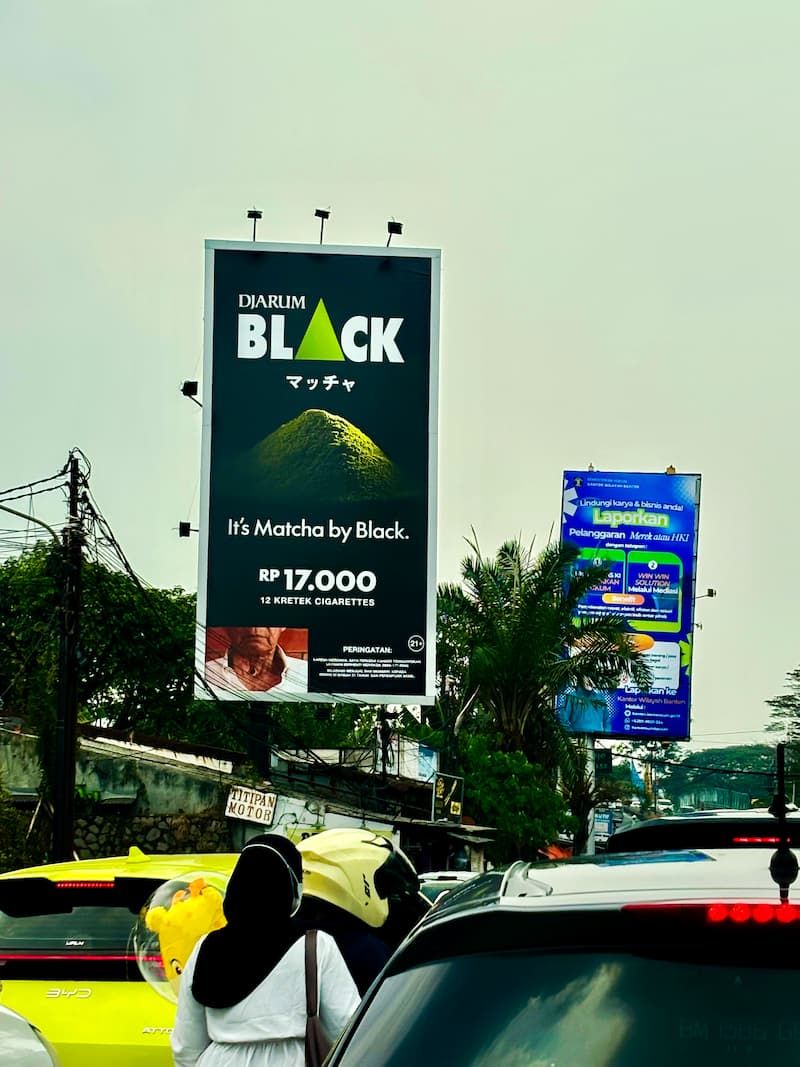
The huge billboard in downtown Jakarta with a cigarette being advertised caught my eye in the unrelenting traffic. The green powder at the focal centre was what provided the twist. It’s a matcha-flavoured cigarette, introduced this year by a local company. Having seen matcha everywhere and in almost every consumable item, this may have been a passe sight. But matcha in tobacco gives newer interpretations of the flavour, inserting itself into people’s lifestyles. From tradition to tobacco, matcha has taken routes that would not have been predetermined when it took root.
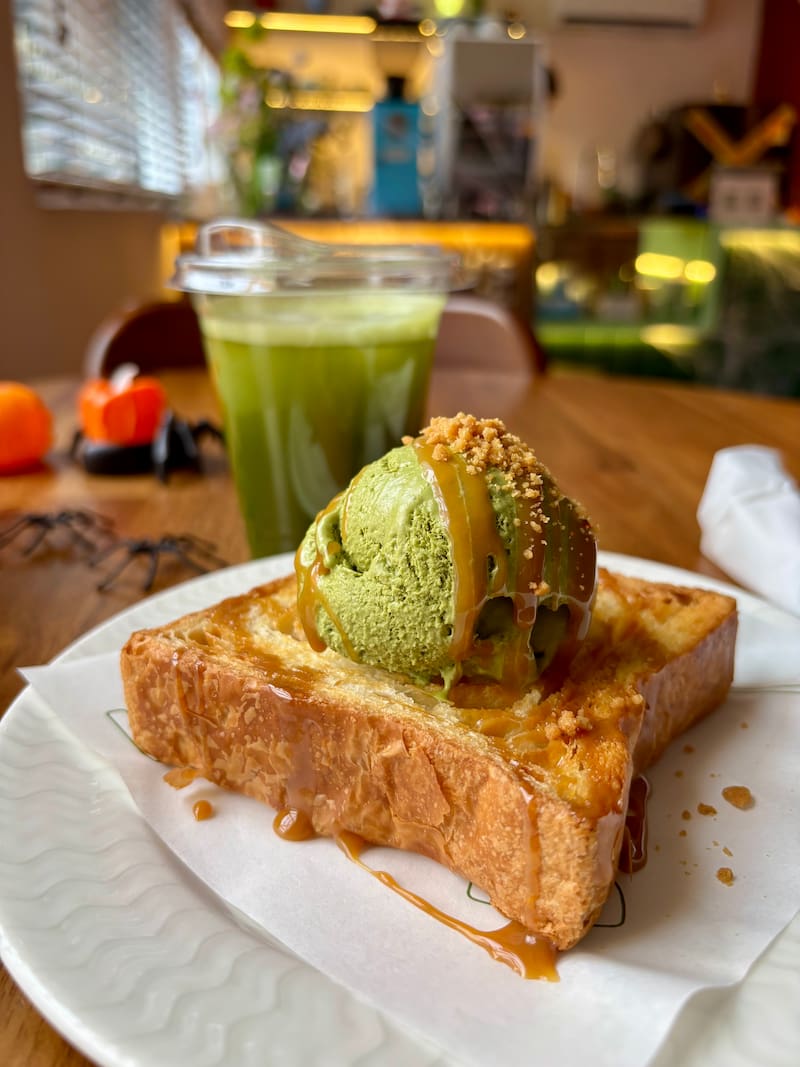
Matcha has come a long way from the traditional Japanese tea bowl. These days, it is hard to miss. It is in café drinks, cakes, ice cream, cookies, and all sorts of other products. In Indonesia, too, matcha seems to be everywhere. What was once associated with a particular tea tradition has become something people enjoy in different ways, whether they are looking for a new flavour, a photogenic drink, or simply the latest thing to try.
In Japan, preparing matcha can be a ritual in itself, with special utensils and careful movements that make the process as important as the tea. But that is probably not how most of us encounter matcha today. For many, it comes in a plastic cup, mixed with milk and perhaps a little sweetness, picked up on the way to work or shared with friends at a café. The tea has travelled, and along the way, the way we drink it has changed too.
A social and lifestyle product
On a not-so-busy afternoon, I get into Miku’s Matcha Bar in Gading Serpong to talk about matcha lifestyle and get their perspectives. Here, matcha is presented in both classic and contemporary forms. The café sources its first-harvest matcha from Kagoshima, Japan, through partners working with a local tea farm. According to Stefy Young, the founder, the naturally sweet characteristics of the tea make it suitable for a variety of drinks. One of the café’s most popular offerings is the Collagen Matcha Cloud, combining matcha with collagen peptides imported from Australia. The combination brings together the traditional tea ingredient and the contemporary appeal of beauty and wellness products.
Stefy believes matcha’s popularity comes partly from its visual appeal and versatility. Its flavour can be adapted to changing trends, while its association with wellness adds another dimension to its appeal.
“I think matcha has become as much a social and lifestyle product as it is a food and beverage product,” Stefy explains. However, she does not believe the social experience necessarily matters more than the drink itself. Instead, the two reinforce each other.
Commercial interpretation
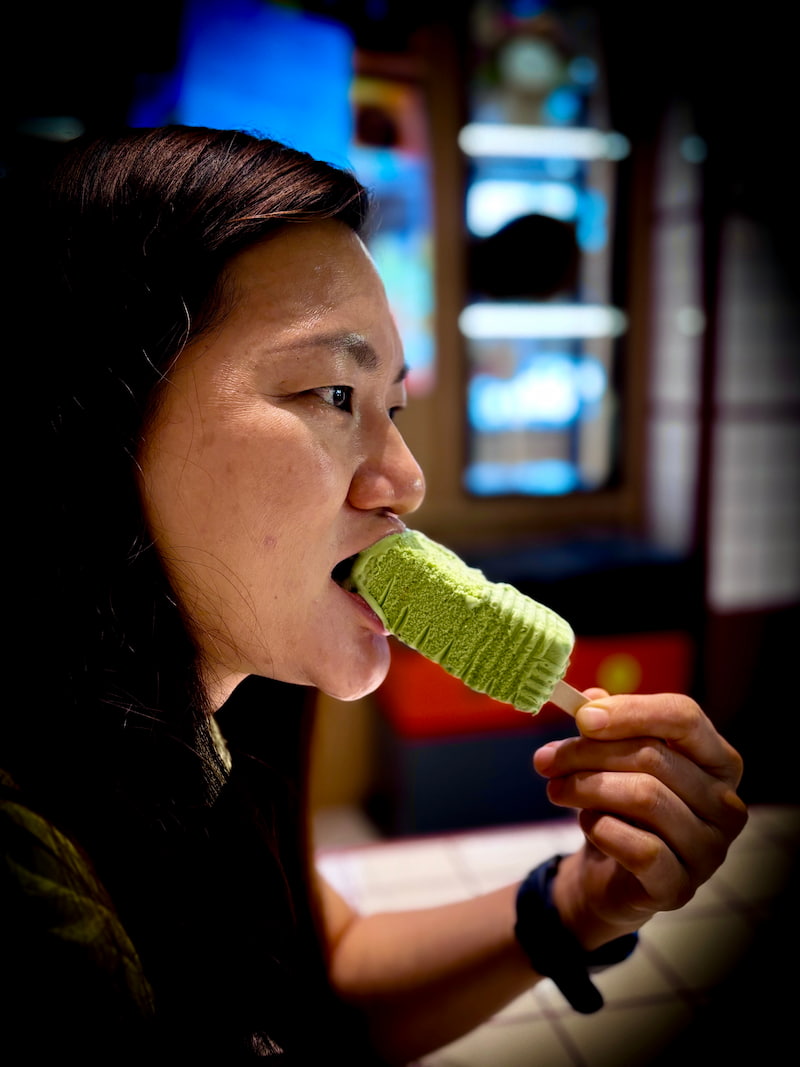
In Indonesia, where global food trends often blend with local tastes, matcha has plenty of room to grow. It has moved beyond specialist cafés into everyday snacks, appealing even to those with little interest in tea itself. But enjoying matcha is not the same as knowing its story. Some people are drawn to its flavour, colour, or supposed health benefits, while others see it as a way to explore Japanese food culture. Both are perfectly natural. Food has always travelled and changed along the way. Yet as matcha becomes more commercialised, its cultural roots can easily fade into the background.
Its healthy image also plays a part in its popularity. Matcha is often seen as a healthier choice, but much depends on how it is prepared. A sugary latte or matcha dessert is not automatically good for you simply because it contains green tea. Julisia Marpaung, a regular matcha consumer, provides her experience thus: “I am unable to drink coffee due to various reasons, but I found matcha suitable to my taste buds, and I need the caffeine”. The Jakarta-based hobbyist likes the fact that matcha contains antioxidants and can be a viable replacement for coffee for people like her.
Sometimes, it seems, the image of matcha matters just as much as what is actually in the cup.
The cigarette billboard that caught my attention in Jakarta brought this contradiction into sharper focus. Here was a flavour associated with tea, cafés, and wellness appearing in a product with a very different purpose. Matcha had moved from the tea bowl to the cigarette packet, its recognisable identity available for another commercial interpretation.
The contrast raises questions about what happens when a cultural product becomes a marketable flavour. Does its traditional significance travel with it, or does the name become detached from its origins? And when a flavour is used in products that have little connection to the original ingredient, what exactly is being sold: the taste, the cultural association, or the image?
The future of matcha
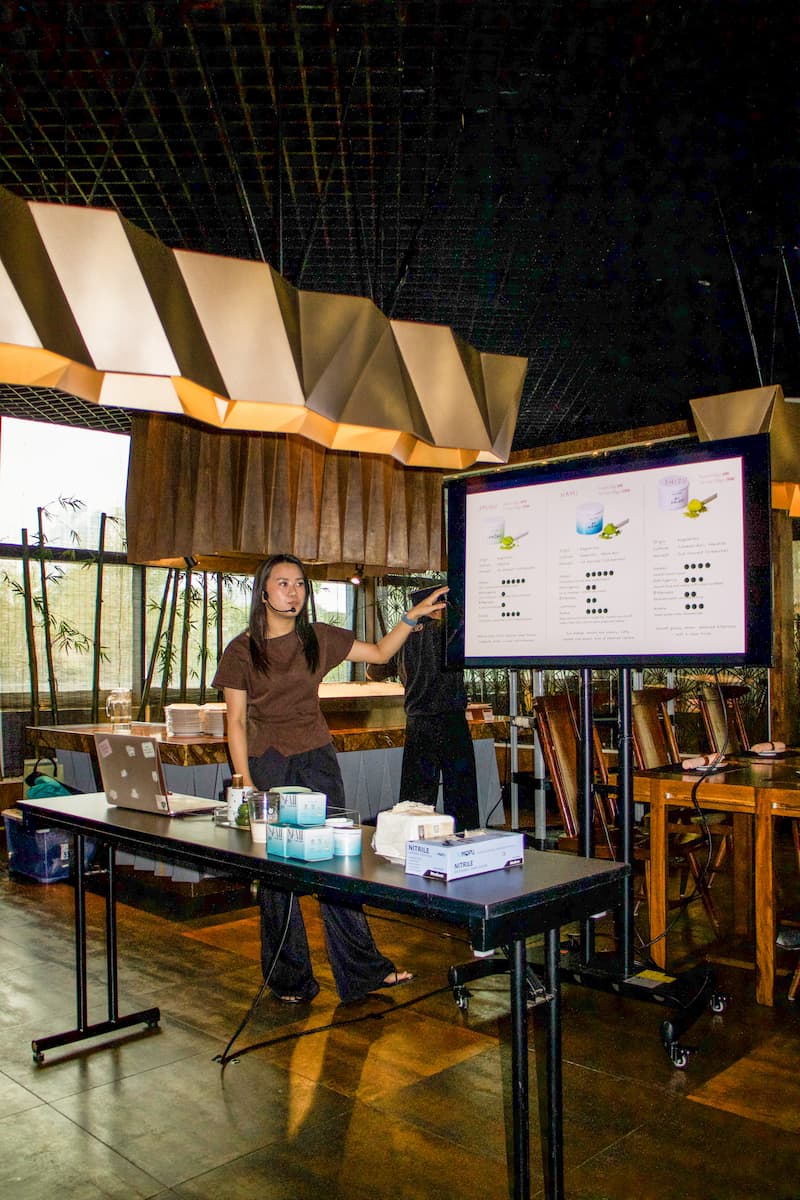
Like many lifestyle trends, matcha’s popularity may eventually settle into something less dramatic. The owner of Miku’s Matcha Bar expects the market to become more competitive and the initial excitement to decline, while believing that matcha will remain relevant as an everyday beverage.
Perhaps this is where the future of matcha lies. Some consumers will continue to explore its traditional preparation, while others will prefer sweetened drinks, desserts, or new combinations. Businesses will keep adapting it to changing tastes, and social media will likely continue to influence how it is presented and consumed.
What began as a tea with a particular cultural history has become a global flavour with many different meanings. In one setting, it can represent patience and tradition; in another, a fashionable café experience; elsewhere, an ingredient in a product that seems far removed from its origins.
The billboard in Jakarta was a reminder of just how far that journey has travelled.
All images are courtesy of Pramod Kanakath.