



Indonesia has never been short of creativity. From Jepara’s intricate woodcarvings and Java’s batik traditions to Balinese dance, architecture, and the cultural diversity of the archipelago, Indonesians have demonstrated a remarkable capacity to create, innovate, and adapt.
Outside influences have been embraced, resisted, and frequently transformed into something distinctly Indonesian. That ingenuity is evident not only in the arts but also in the millions of small businesses sustaining everyday life. But is this entrepreneurial spirit an expression of cultural creativity, a response to economic necessity, or something more complicated?
As Indonesia approaches its centenary in 2045, with the promise of Indonesia Emas, or Golden Indonesia, the answer matters.
A Nation of Entrepreneurs
According to the OECD’s Financing SMEs and Entrepreneurs 2026, Indonesia had approximately 56.1 million micro, small, and medium enterprises (MSMEs) in 2024, contributing 59.64% of national GDP.
BPS employment data for February 2026 indicate that approximately 59.26 million Indonesians were classified as entrepreneurs. Of these, 53.95 million operated alone or with casual or unpaid assistance. Just 5.31 million employed permanent paid workers.
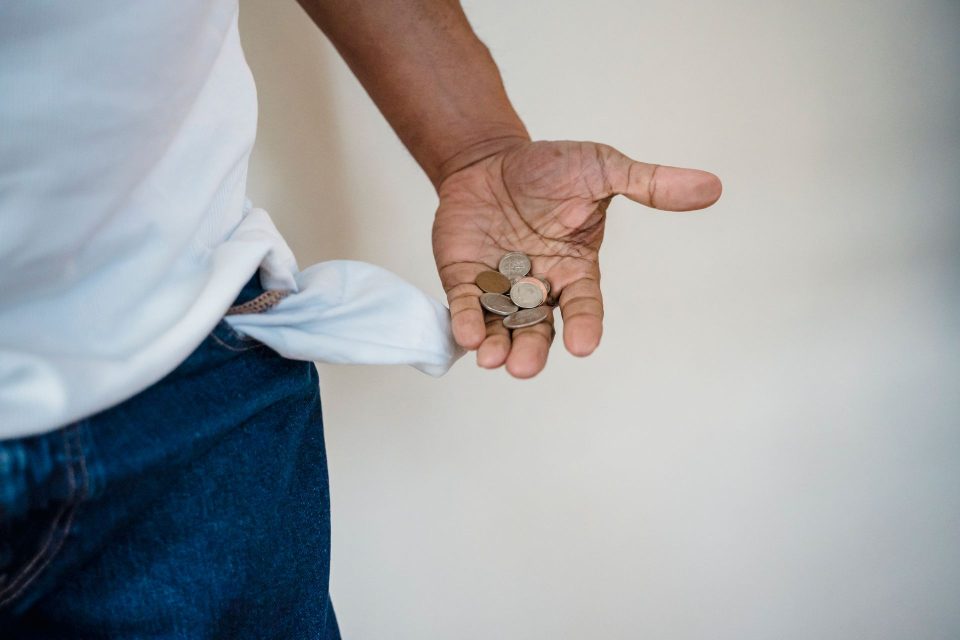
The OECD figures count enterprises; BPS counts people. Together, they illustrate an economy characterised by small-scale entrepreneurial activity. For some, establishing a business offers independence or the opportunity to pursue an idea. For others, self-employment may be the only practical alternative to poorly paid employment. But entrepreneurship born of opportunity and entrepreneurship born of necessity are very different propositions.
The Productivity Paradox
Indonesia’s economy has maintained growth of approximately 5% in recent years. Yet the World Bank’s 2026 Indonesia Growth and Jobs Report identifies a persistent problem: too much employment remains concentrated in low-productivity activities, while better-paid opportunities develop too slowly.
Productivity isn’t simply about working harder. It concerns the value created from available resources, including people’s time, skills, and knowledge. A small business may possess exceptional abilities, yet expensive materials, unreliable logistics, or dependence on intermediaries can restrict its value. The problem, therefore, isn’t necessarily talent or effort. It may lie in the economic structures and systems surrounding the enterprise.
Improving productivity therefore requires more than encouraging people to produce more. It means addressing the conditions that prevent their abilities from generating greater returns.
The Price of Independence
The attraction of entrepreneurship becomes easier to understand when viewed against conventional employment.
According to BPS, the average Indonesian employee earned approximately Rp3.29 million a month in February 2026, while 52.81% earned less than their provincial minimum wage. Not all these workers are necessarily covered by minimum-wage requirements.
In Bali, even Badung’s relatively high 2026 minimum wage of Rp3.79 million leaves limited room for savings, particularly for workers paying rent or supporting dependants.
Starting a business may offer an alternative, but without savings or affordable financing, entrepreneurs can become dependent on expensive credit. OJK reports that Indonesia’s regulated online lending industry had outstanding loans of Rp106.94 trillion in August 2026, up 22.07% year-on-year. Legitimate lending provides access to finance, but persistent problems with illegal lenders raise concerns about financial vulnerability.
These figures don’t establish that low wages drive borrowing. They do, however, highlight the importance of financial security when assessing the choices available to ordinary Indonesians.
A Generation Seeking Alternatives
Digital marketplaces, social media, and online payments have opened opportunities previous generations could scarcely have imagined. A fashion designer in Bandung, for example, can reach customers nationally. A Bali craft producer can connect with international buyers. A small food business can establish a brand without a large advertising budget.
Yet an online seller may reach thousands of customers while remaining dependent on platform commissions, advertising costs, algorithms, and pricing policies. That means sales can increase without improving profitability.
The technology may be new, but the imbalance of economic power is familiar. Are young Indonesians embracing entrepreneurship because they see greater opportunities, or because conventional employment offers too little prospect of financial security?
There is no single answer. But understanding their motivations matters if policies are to support businesses capable of providing sustainable livelihoods.
Teaching Economic Freedom
Perhaps the foundations of economic independence need to be laid much earlier. How well do schools prepare young Indonesians for the economic world they’re about to enter?
Imagine students leaving secondary school knowing how to calculate profit margins, understand compound interest, assess business opportunities, recognise predatory lending, or negotiate contracts. These aren’t specialist skills reserved for accountants or entrepreneurs. They’re practical tools for making informed decisions.
Indonesia has already taken steps in this direction. Financial literacy features in the Kurikulum Merdeka, while entrepreneurship is included in secondary education.
In October 2025, OJK Bali launched a 16-hour financial literacy module for senior high schools, covering financial services, consumer protection, and related risks. Teacher training has followed, although evidence of student learning outcomes remains limited. Victoria, Australia, provides another example, requiring government schools to teach budgeting, credit, taxation, financial risk, and scam recognition through its curriculum.
The challenge is ensuring that students can apply what they learn. Education won’t eliminate structural disadvantages, but it can help young Indonesians understand the economic decisions they’ll face.
Who Controls the Opportunities?
The World Bank Group’s Indonesia Country Private Sector Diagnostic, published on the 5th of October, 2026, identifies regulatory complexity, restricted competition and advantages enjoyed by dominant firms and state-owned enterprises as obstacles to productive investment. Access to finance illustrates the challenge.
According to the OECD, MSMEs accounted for 17.49% of outstanding commercial bank business lending in 2025, down from 22.02% in 2021. That doesn’t automatically indicate unfair treatment. Smaller businesses have different financing needs, risks, and collateral constraints. Nevertheless, the figures raise questions about the resources available to enterprises seeking to develop.
Credit alone cannot overcome inefficient distribution, unpredictable regulations, or concentrated market power. Nor should every small business be encouraged to borrow and expand. Sometimes greater opportunity lies in improving profitability or retaining more of the value already created.
Ultimately, economic freedom requires not merely participation in a market, but meaningful choices and sufficient bargaining power to benefit from that participation.
Whose Golden Future?
Indonesia’s Golden Indonesia 2045 vision promises a prosperous, advanced nation by the hundredth anniversary of independence. But what should prosperity actually look like?
For one entrepreneur, success might mean employing 50 people or developing an international brand. For another, it might mean earning a dependable income, educating their children, and passing a viable business to the next generation.
Neither ambition is inherently less valuable.
Indonesia’s cultural history demonstrates that innovation doesn’t always mean abandoning tradition. Often, it means adapting existing knowledge and skills to changing circumstances. That adaptability is a national strength. Supported by practical education, fairer opportunities, and institutions that encourage competition, it could become an even greater economic asset.
By 2045, Indonesia may well have become one of the world’s largest economies. The more important question is whether Indonesians themselves will feel any richer, or freer, for it.
If you’d like more insights into investing in Indonesia, get in touch with Seven Stones Indonesia via hello@sevenstonesindonesia.com
Sources: OECD, BPS (Statistics Indonesia), Katadata Databoks, Bali Provincial Government (2026 Minimum Wages), World Bank, World Bank Group, OJK, OJK Bali, Victoria Department of Education