



From ethical fashion and handcrafted ceramics to artisanal leather goods and contemporary furniture, Indonesian brands are redefining what “made in Indonesia” stands for.
Long known as one of Asia’s manufacturing hubs, the country is increasingly becoming a place where local creativity, craftsmanship, and design take centre stage.
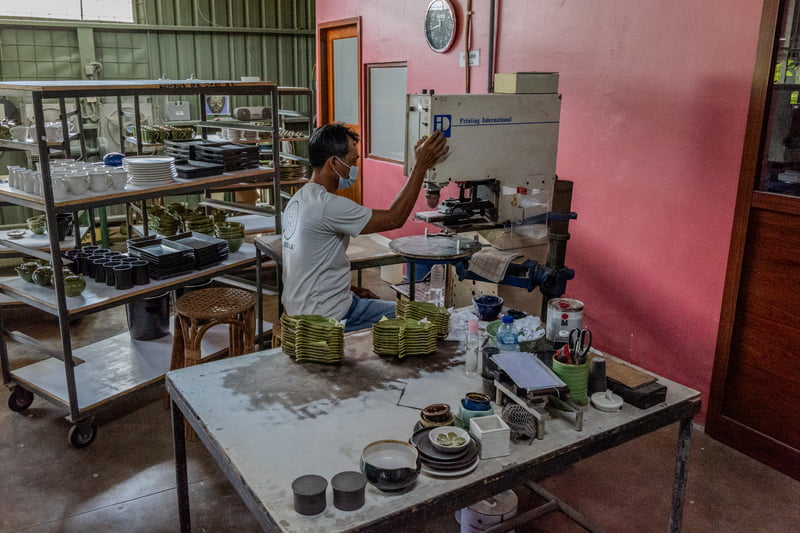
For decades, Indonesia earned its reputation as one of the world’s leading manufacturing destinations. International companies turned to the archipelago for its skilled workforce, abundant natural resources, and competitive production costs. Millions of products left Indonesian factories every year, destined for markets around the globe and often carrying foreign brand names.
That story is still true, but it is no longer the only one.
Across Indonesia, a new generation of entrepreneurs is choosing a different path. Instead of producing for international brands, they are building brands of their own. Combining traditional craftsmanship with contemporary design, they are creating products that proudly carry an Indonesian identity from workshop to customer.
It is a subtle shift, but one that reflects a much broader transformation taking place across the country’s creative economy.
From Manufacturing to Brand Building
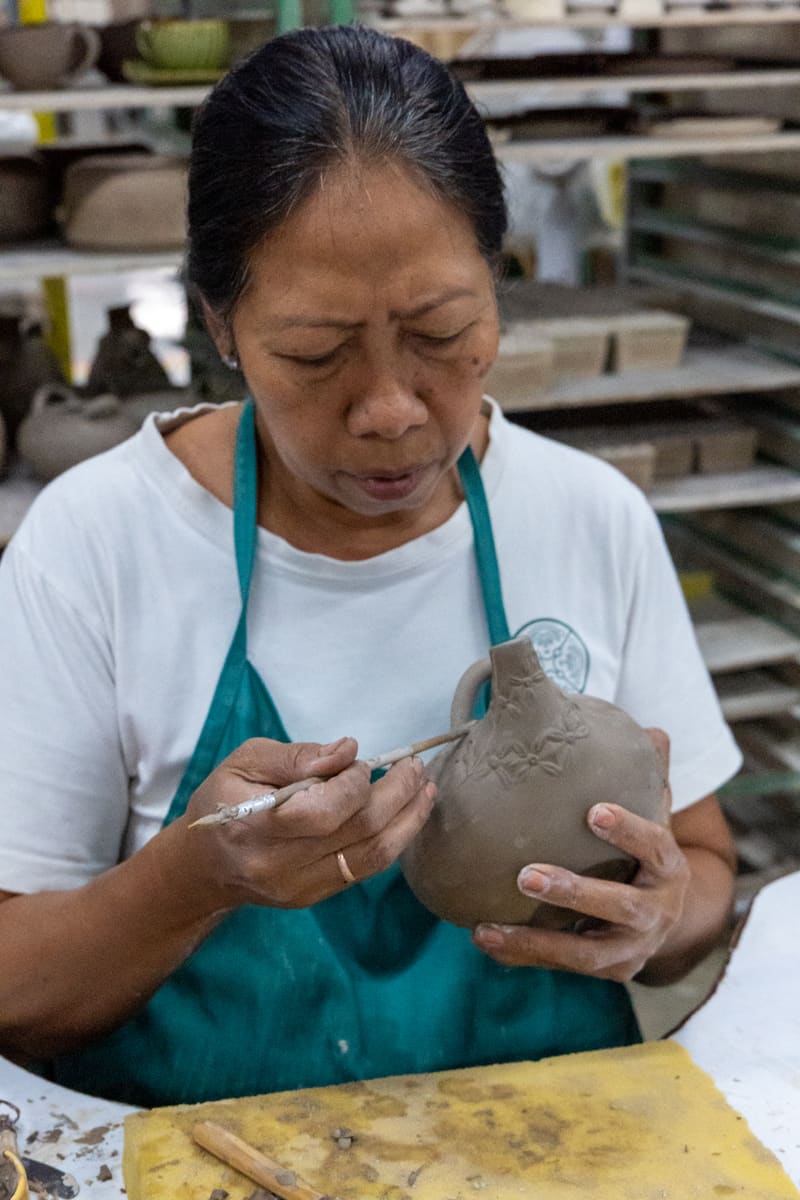
Indonesia has never lacked craftsmanship. Whether through batik, wood carving, silverwork, ceramics, leather, or weaving, generations of artisans have refined techniques that have been passed down over decades, sometimes centuries. Traditionally, many of these skills supported export industries or supplied international brands behind the scenes.
Today, however, more workshops are choosing to step out of the shadows.
Rather than remaining anonymous manufacturers, they are investing in branding, product design, packaging, and storytelling. They are selling not only an object but also the people, culture, and expertise behind it.
This evolution reflects changing consumer expectations. Increasingly, buyers want to know where a product comes from, who made it, and how it was produced. Authenticity has become as important as functionality.
Craftsmanship Meets Contemporary Design
One of the strengths of Indonesia’s emerging premium brands lies in their ability to combine heritage with modern aesthetics.
Fashion label SukkhaCitta, for example, has gained international recognition by working directly with artisan communities while preserving traditional weaving techniques through an ethical business model.
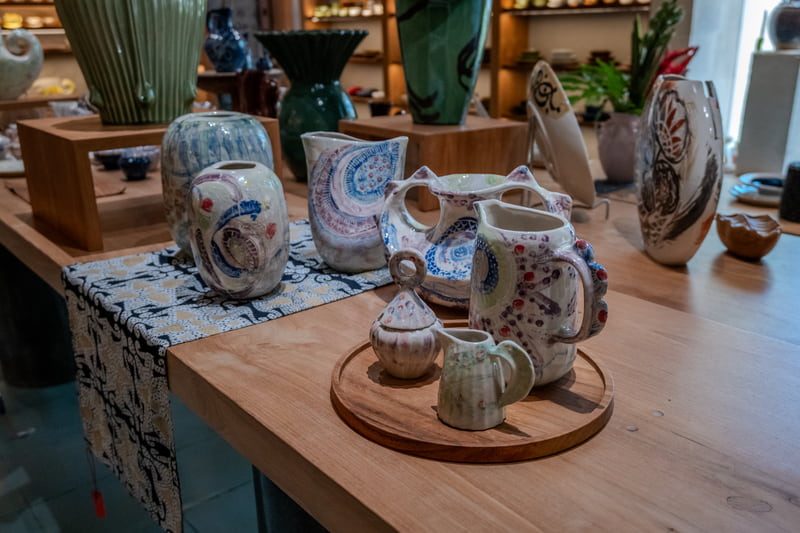
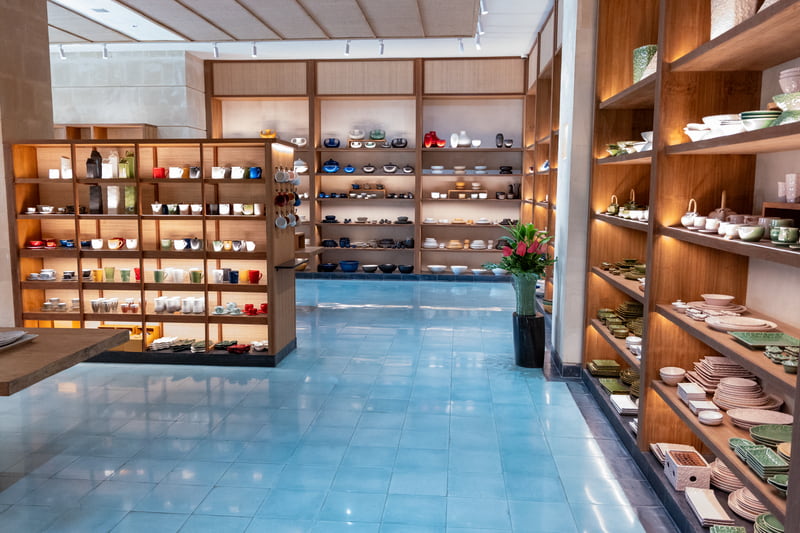
In Bali, Jenggala has spent decades demonstrating that locally designed ceramics can compete with international tableware brands without losing their Indonesian identity.
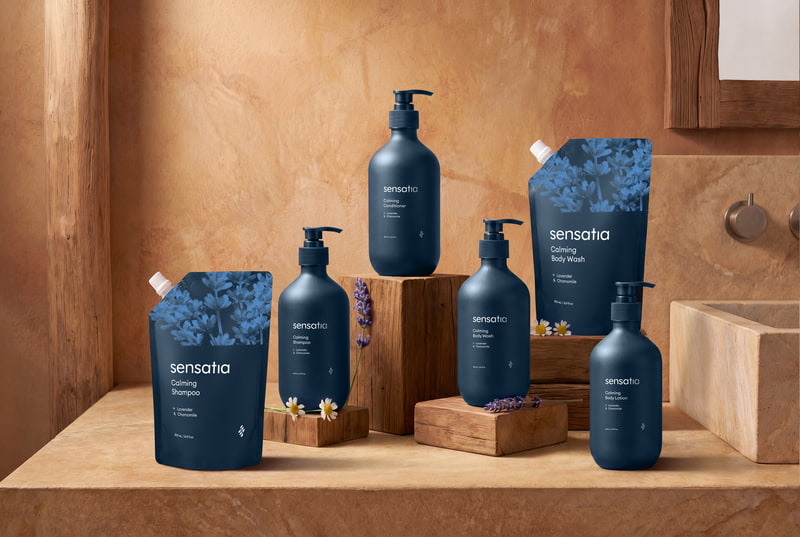
The same philosophy is now appearing across a growing number of sectors. Independent leather workshops are producing handcrafted accessories in small batches, furniture makers in Jepara are blending traditional woodworking with contemporary interiors, while companies such as Sensatia have shown that natural skincare developed in Indonesia can find customers well beyond the archipelago.
Although these businesses operate in very different industries, they share a common ambition: to create products defined by quality rather than quantity.
Why Premium Matters
The idea of ‘premium’ extends far beyond luxury pricing. For many Indonesian brands, premium means carefully selected materials, responsible sourcing, skilled craftsmanship, and products designed to last. It means producing fewer pieces while paying greater attention to every stage of the process.
This approach also aligns with changing consumer behaviour.
Across Indonesia, a growing middle class is becoming more interested in locally designed products, while expatriates increasingly seek authentic alternatives to imported goods or mass-produced souvenirs. Whether furnishing a home, buying gifts, or investing in pieces with a story, many consumers are discovering that Indonesian brands now offer both originality and international quality.
Opportunities Beyond Indonesia
The growing visibility of Indonesian brands comes at a time when global demand is shifting towards authenticity, sustainability, and traceable production. Rather than competing with large international manufacturers on price alone, many local businesses are focusing on craftsmanship, limited production, and strong brand identity.
Digital platforms have also helped accelerate this movement. Independent brands can now reach international customers directly, while social media allows artisans and designers to showcase their work to audiences that would once have been inaccessible.
Government support for the creative economy and the continued growth of Indonesia’s design sector further reinforce this momentum.
Challenges Along the Way
The transition, however, is not without its challenges.
Producing handcrafted goods in limited quantities requires time, skilled labour, and significant investment. Recruiting younger artisans remains difficult in some regions, while exporting premium products involves navigating complex logistics and increasingly competitive international markets. Maintaining quality while growing production is another delicate balance.
For many entrepreneurs, success depends not on producing more but on producing consistently well.
More Than a Label
For years, the phrase “made in Indonesia“ described where a product was manufactured. Increasingly, it describes where it was imagined, designed, and crafted.
That distinction matters.
Behind every handcrafted ceramic collection, leather bag, naturally dyed textile, or piece of furniture lies a growing community of entrepreneurs determined to show that Indonesian products can compete not because they are affordable but because they are thoughtfully made.
For expatriates living in Indonesia, this evolution offers a unique opportunity to discover businesses that reflect the country’s changing identity. Beyond the workshops and showrooms is a generation of creators redefining how Indonesia is seen, not simply as a manufacturing nation but as a country where craftsmanship, creativity, and design are becoming powerful brands in their own right.
All images, except as noted, are courtesy of Damien Lafon.