




As modern life rushes us from one moment to the next, Java and Bali offer timeless wisdom on the art of slowing down.
In the midst of our fast-paced modern lives and the promise of new beginnings, Lao Tzu gently reminds us that “nature does not hurry, yet everything is accomplished.”
Long before slow living became a modern lifestyle choice, Indonesians were already practising it. Slowness was neither a reaction to exhaustion nor a refusal to be productive—it was a way of living in harmony with nature, community, and oneself. Together, Java and Bali, in particular, offer a philosophy of Nusantara mindfulness: a way of living that is mindful, balanced, and fully present in each moment. At its core is the belief that balance among mind, body, and soul enables us to become the best versions of ourselves. This sense of balance arose from listening to the rhythms of nature—the changing seasons, the flow of water, fertile soil, mountains, and forests. After all, land was never meant to be conquered; it was meant to be heard and respected.
Java: Living with Awareness
In the past, before mindfulness became a global practice, Java offered a gentle philosophy of life rooted in the understanding that life is not meant to be rushed. Instead, life is to be lived with full awareness. People see themselves as part of the universe—deeply connected to one another and to nature. We are not separate from either the environment or one another, as inner peace emerges from maintaining these relationships in balance.
We can experience slow living in Yogyakarta, at the heart of which sits the royal Kraton—inviting calm and a sense that nothing needs to be rushed. The palace and the city around it were designed to reflect a way of living that values awareness, harmony, and inner balance. Furthermore, the royal Kraton, surrounded by what is recognised as the Cosmological Axis of Yogyakarta, serves as a symbolic alignment of human life with natural and spiritual forces.

Instead of chasing success, this Javanese teaching encourages presence—mindfully noticing the balance we bring to each moment. This awareness exists in daily interactions, in gentle words, in patience, and in letting time flow rather than resisting it. For instance, the Javanese ceremony Hajad Dalem Labuhan is a royal ceremony of the Sultanate of Yogyakarta that centres on the symbolic act of labuh—to cast away or let go—representing prayers for purification, balance, and harmony. The offerings for the ceremony would be carried to sacred sites such as Parangkusumo Beach and Mount Merapi, honouring both ancestors and the natural world.
In this same spirit of living tradition, Yogyakarta’s first Jogja Cultural Wellness Festival (JCWF) was initiated in November 2025 by Gusti Kanjeng Ratu Bendara—the youngest Princess of the Yogyakarta Sultanate—with the support of the government and other prominent figures. The Princess’s intention was for it to be a contemporary continuation of Nusantara wisdom. The central theme of the festival was to offer not only physical healing, but also inner harmony and the rhythm of life.
Bali: Harmony as Foundation
In Bali, a similar sense of balance is expressed through the ancient and timeless philosophy of Tri Hita Karana—the three foundations of well-being that shape Balinese values and way of life. These principles emphasise harmony with the divine, with one another, and with nature—shaping daily religious practices, community life, and the way people care for the world around them. Herbal remedies passed down through generations reflect deep knowledge of local plants, while lunar-based ceremonies align human life with the rhythms of nature.
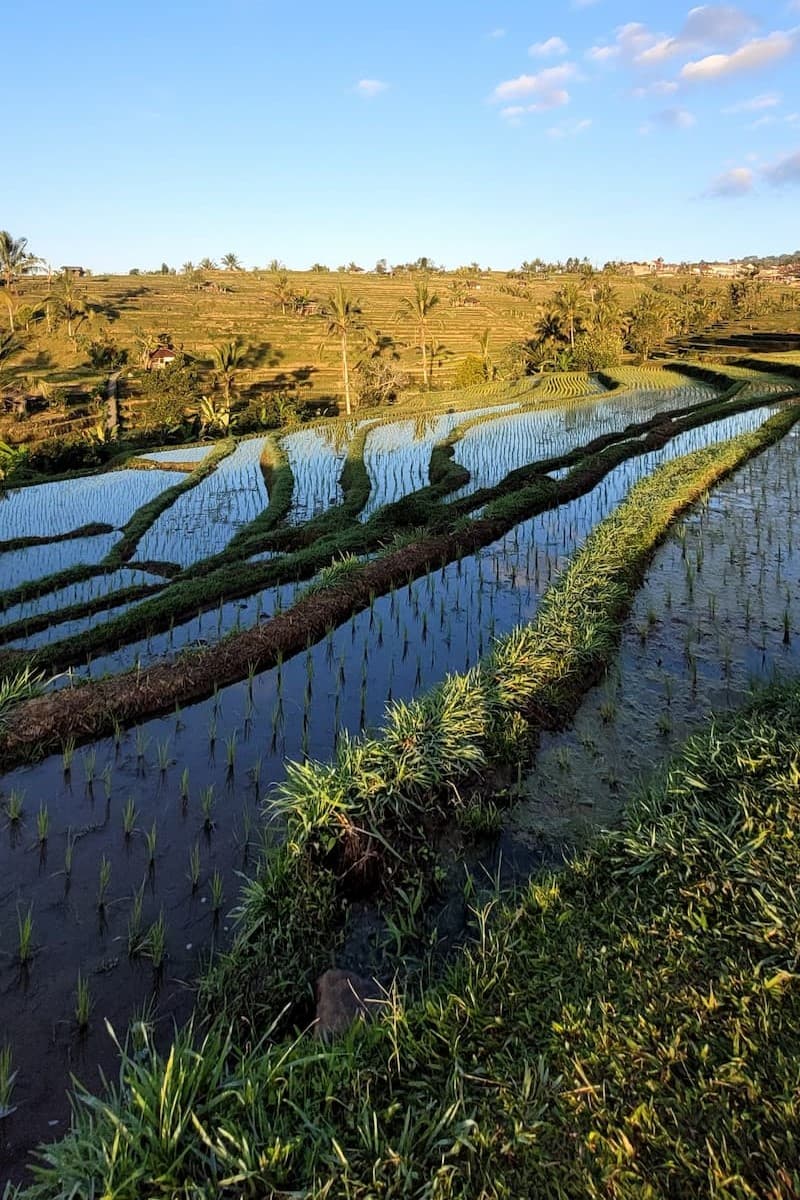
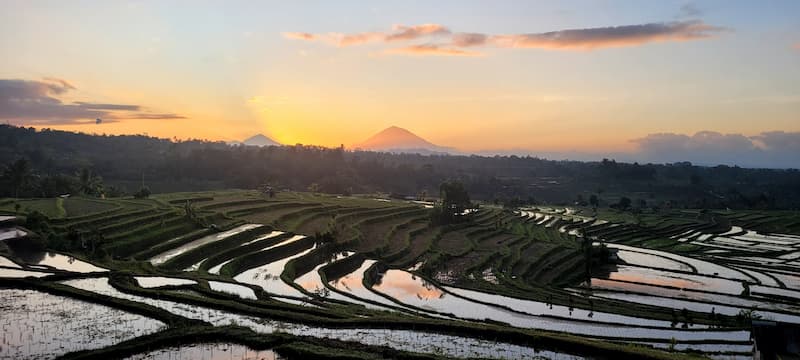
The subak irrigation system, for instance, embodies harmony with nature by weaving together the realms of spirit, human life, and the natural world. Collectively managed by farmers and guided by temple rituals, the subak irrigation system ensures that water is shared fairly and sustainably.
Meanwhile, harmony with the divine in Bali is practised through Nyepi—the Day of Silence—when the entire island pauses. The day is marked by quiet moments of self-reflection and gentle remembrance of the divine, as human beings may live in balance with nature and in a peaceful relationship with God as well as oneself. Nyepi is neither a form of withdrawal nor a punishment. Instead, it is a reset—a reminder that rest, stillness, and restraint are essential to harmony.
Mindfulness, however, isn’t just a personal practice—it’s a shared rhythm, nurtured through collective work and mutual responsibility. Another example is how in both Java and Bali, gotong royong—the practice of achieving a common goal that benefits the community—is deeply embedded in daily life. Caring for ourselves goes hand in hand with caring for others. True balance is something we create together—not alone.
Mindfulness Lived Together
Ultimately, what these traditions quietly teach is that inner balance doesn’t come from chasing constant self-improvement or rushing through life. It comes from alignment—living in a way that keeps us connected to ourselves, our communities, and the land that sustains us. Modern life often celebrates the opposite, which is why Indonesia’s cultural wisdom feels so relevant. Such wisdom, therefore, should not be treated as nostalgia, but as a guide for living more consciously in today’s world.
A new beginning, as Nusantara mindfulness shows, isn’t forced or invented—it emerges naturally. Java and Bali remind us that slowing down is not an escape, but a choice. It’s an act of empowerment in order to make a conscious choice to live fully in a world that tends to move too fast. We start by returning to simplicity, making time to reflect, reconnecting with nature, and leaning on our communities’ support. This Nusantara mindfulness is rooted in heritage, refined across generations, and still resonates today.
There’s no perfect moment to begin. Every fresh start is an invitation to step into a mindful, revitalising journey towards a more balanced life—guided by wisdom that has always known the way forward.