


Simply put, Solo offers a journey into the soul of Javanese civilisation.
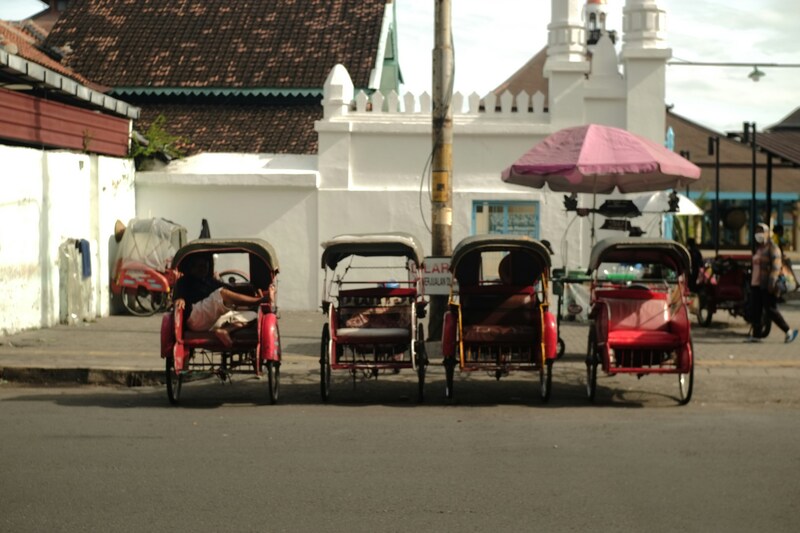
Solo, situated in the centre of Java known as Surakarta, is often defined as “The Spirit of Java” — a slogan that captures the essence of the city perfectly. It is a place where tradition is not just preserved but also celebrated. You can explore royal palaces, enjoy a rich Javanese taste, or watch a late-night wayang show.
Solo has steadily emerged as a favourite destination for travellers who are seeking authenticity, warmth, and an immersive cultural experience. Solo has been widely regarded as a centre of Javanese culture. It is a location for two royal palaces: Keraton Surakarta Hadiningrat and Pura Mangkunegaran. These palaces are not just architectural wonders but also living museums of Javanese heritage. Keraton Surakarta, established in the mid-17th century, still serves as the residence of the royal family. Meanwhile, Pura Mangkunegaran is a smaller, yet equally majestic royal compound — a blend of Javanese and European architectural styles.
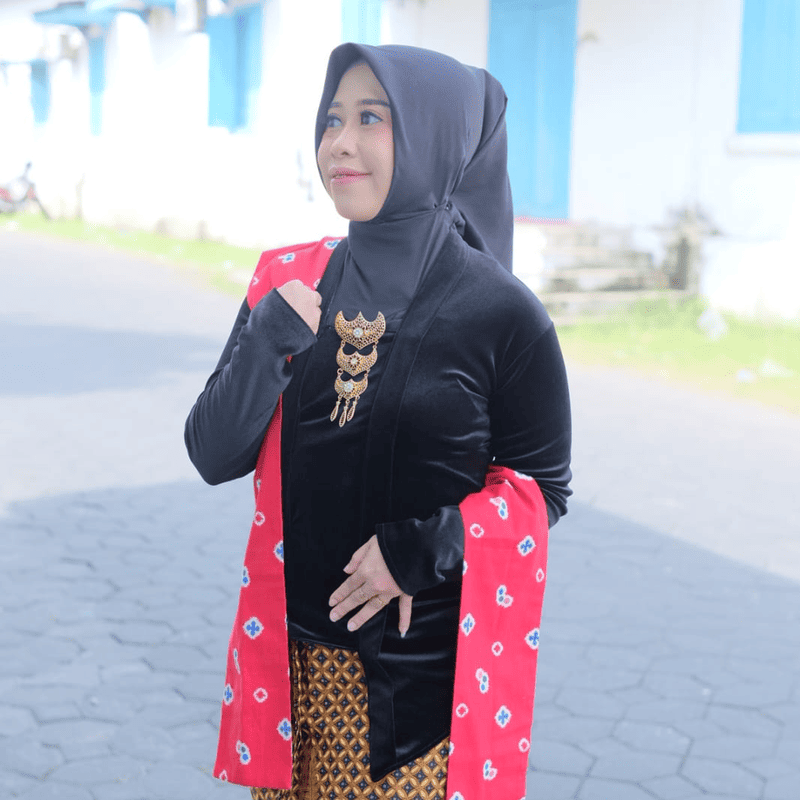
In both of these palaces, you may experience wearing Javanese traditional costumes and feel the essence of being a local while taking a picture around the outside area of the palaces. Moreover, you may rent package services on the internet that provide the attire as well as a photographer to capture the moment.
Culinary paradise: A taste of tradition
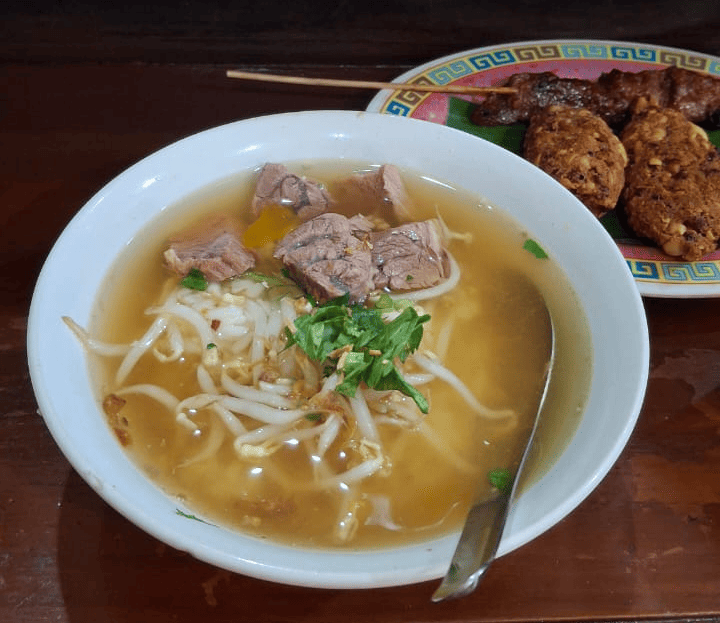
Visiting Solo would not be complete without tasting its rich and flavourful culinary experience. The city is famous for its distinctive Javanese cuisine, known for its sweet, savoury, and aromatic taste. For breakfast, you may try a light breakfast with a bowl of soto (Indonesian traditional soup) complete with its side dishes. The famous soto stalls in the city are, to name a few, Soto Triwindu and Soto Gading. Both typically serve soto dishes consisting of clear beef broth soup with various side dishes like crackers, fritters, and jeroan.
Besides soto, a dish called nasi liwet can also be another breakfast option. Nasi liwet is one of Solo’s most iconic dishes. It is a comforting rice dish cooked in coconut milk and served with shredded chicken, boiled egg, and a thick savoury sauce called areh. A popular roadside stall in the city that serves authentic nasi liwet is called Nasi Liwet Yu Sani Gemblegan, located in Jalan Veteran and open in the evening hours.
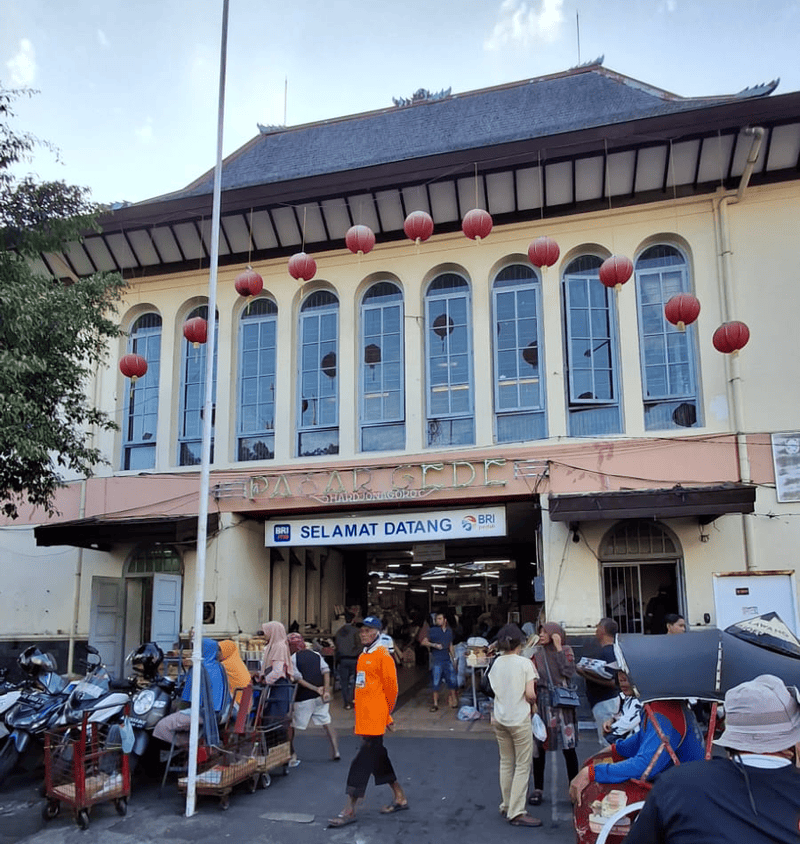
More authentic traditional dishes that Solo has to offer are, to name a few, brambang asem, pecel ndeso, and wet snacks like mixed kue lupis. When it comes to traditional desserts, some of the options are cendol selasih and gempol pleret. A market called Pasar Gede typically sells these traditional dishes. Another famous snack courtesy of the city is serabi notosuman: A traditional pancake made of rice flour and coconut milk, available in both plain and chocolate-filled versions.
What about for lunch? The must-try one is selat solo: A local version of beef salad or Javanese-style steak. It consists of sliced beef in a tangy brown sauce served with vegetables, egg, and pickles. It is a dish that reflects the colonial past of the region while staying true to local flavours. Some of the diners in the city that serve authentic selat solo are Selat Solo Mbak Lies and Selat Viens. If you are looking for something spicier, you may try tengkleng: A spicy goat bone soup rich in flavour as well as heritage. One of the best dining establishments where you can enjoy tengkleng is Tengkleng Bu Edi, located near the bustling Pasar Klewer.
Enchanting living heritage
Another factor that makes Solo such a distinct city is its citizens’ awareness of preserving the city’s culture. Solo is a living canvas where traditional arts, ceremonies, and performances are not just tourist attractions but integral parts of daily life. Visitors can witness captivating wayang orang (human puppet) shows, gamelan performances, and Javanese dance recitals regularly held in public spaces and cultural venues. Solo’s public performance hall, Sriwedari, usually serves as the venue for traditional wayang orang and the traditional dance recitals.
Solo is also a great place to learn batik. Kampung Batik Laweyan and Kampung Batik Kauman, in particular, are two historical neighbourhoods where artisans continue to produce exquisite hand-drawn batik using age-old techniques. Besides buying batik, visitors can also learn how to design and make one.
Ultimately, unlike the more commercialised tourism destinations, Solo continues to maintain a sense of serenity and authenticity. Its citizens are warm and welcoming, its streets are filled with stories, and its culture is both timeless and ever-evolving. For travellers seeking more than just a vacation — including those yearning for meaning, beauty, and connection — Solo can be your destination, and then some. It is, truly, a city of living heritage.
Annisa Ika Rahmawati currently serves as an Assistant Director of the Department of Supervision of Microfinance Institutions and Other Financial Service Providers, Financial Services Authority (Otoritas Jasa Keuangan or OJK) of Indonesia. She has published articles in national print and online media, covering topics such as fintech, investment, financial literacy, and more. All images are courtesy of Annisa Ika Rahmawati.