


Being in a new country can be exciting, but it can also be stressful. Do you know your way around in this huge city?
Language issues, making new friends, and adjusting to a new job or not having a job can all influence your wellbeing. Many life events and situations can trigger stress. What happens when these stressful events get on top of you? Do you feel low because of that? Could this be the beginning of depression?
Feeling depressed is more than simply feeling unhappy, hopeless, or worthless. You might feel fed up for a few days. But these symptoms have to be present every day, most of the day, for at least two weeks.
Most people go through periods of feeling low or down. But when you’re really depressed, you feel sad and down for weeks or months, rather than just a few days. Some people think depression is not a real health condition. That is not correct, though. Depression is a real illness with real symptoms. It is not a sign of weakness or something you can ‘snap out of’ by ‘pulling yourself together.’
Treatment, however, is possible.
How do you know if you suffer from depression?
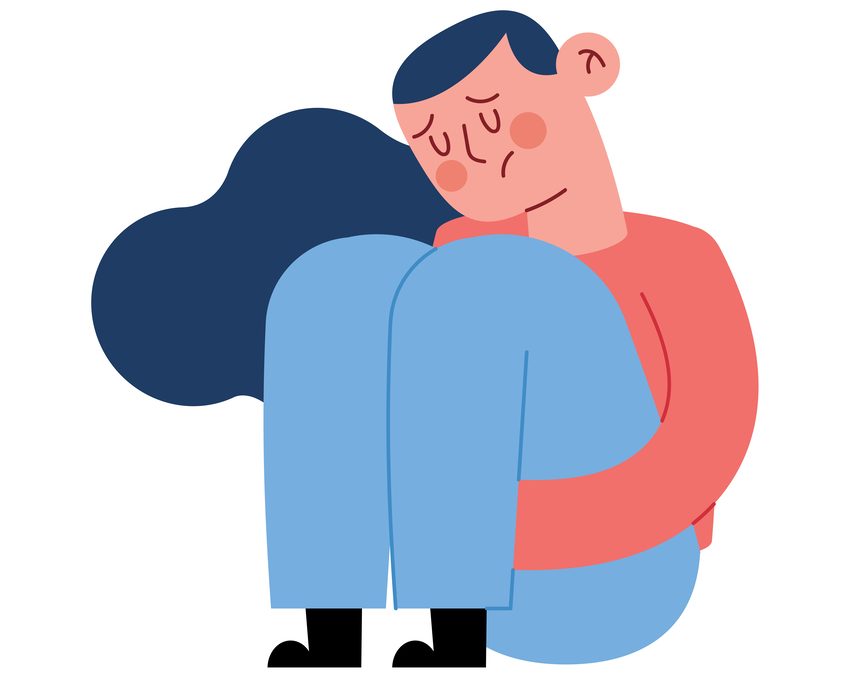
Depression can present with different symptoms and will affect people differently. You may feel unhappy and hopeless. Or, you may lose interest in the things you used to enjoy, and you may feel tearful as well. Many people who suffer from depression also suffer from anxiety.
Physical symptoms can include feeling tired, sleeping badly, less appetite or sex drive, and body aches and pains. You may feel low in spirit all the time. Meanwhile, severe depression can make you feel suicidal, as if life were no longer worth living.
Most people can have feelings of stress, anxiety, or low mood during difficult times. When it comes to depression, the symptoms will last for more than two weeks, at least.
When to see a doctor
If you think you may suffer from depression, it’s important to seek help from a GP (GOOD PRACTICE) or medical professional. People can wait a long time before seeking help for depression, but it’s best not to delay. The sooner you see a doctor, the sooner you can be on the way to recovery.
What causes depression?
Sometimes there’s a clear trigger for depression. Life-changing events, such as bereavement, losing your job, the end of a relationship, or giving birth, can become the trigger. A family history of depression can also make it more likely for you to suffer from depression. But you can also suffer from depression for no obvious reason.
How to treat depression
Lifestyle changes, talking therapies, and medicine are the main options for treatment. Your recommended treatment will be based on how severe your depression is.
If you suffer from mild depression, your family doctor may suggest waiting to see whether it improves on its own, while monitoring your progress. This is known as ‘watchful waiting.’ Lifestyle measures, such as exercise and guided self-help, can also be suggested. For moderate-to-severe depression, a combination of talking therapy and medication (antidepressants) is often recommended. Meanwhile, if you suffer from severe depression, you may be referred to a specialist like a psychiatrist for intensive specialist talking treatments and prescribed medication.
Talking therapies, such as COGNITIVE BEHAVIORAL THERAPY (CBT), may also be used to treat depression. For CBT, it is best to see a psychologist. GOOD PRACTICE can help you, especially if you need an English-speaking therapist.
Living with depression
Many people who suffer from depression may benefit by making lifestyle changes, such as regular exercise, refraining from alcohol and smoking, and eating healthily. Looking after your health in general will have a positive effect on your depression.
Reading about depression can help you understand your illness as well. Sharing your experiences with others who are in a similar situation can also be very helpful.
A word of advice
Talk to a trusted medical practitioner. A good GP can ask you the correct questions to find out more about your mental state of health. The sooner you discuss your symptoms, the sooner you can be helped. There are several options, and a tailor-made plan can be designed for you. English-speaking professionals, for instance, are available at the GOOD PRACTICE clinic.
Good Practice has registered patients from 82 countries, with Iceland and Eswatini being our latest additions. Try us! Our English-speaking team implements international guidelines. Contact us at 021 7183140, info@goodpractice.co.id, or 085772721119 (for WhatsApp messages only). You can also look us up at www.goodpractice.co.id