



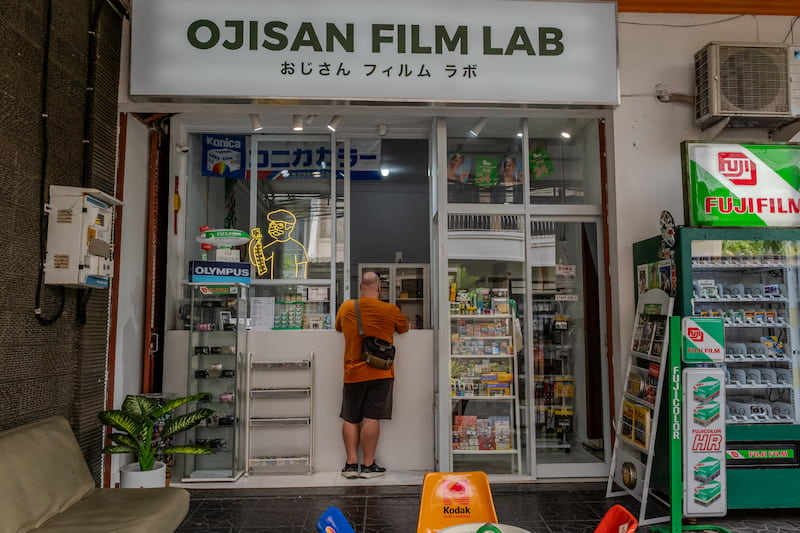
In a world dominated by smartphones, instant images, and artificial intelligence, analogue photography is finding renewed interest among a new generation of photographers in Indonesia.
From independent film laboratories to vintage camera enthusiasts, the appeal goes beyond nostalgia. It reflects a desire to slow down, embrace imperfections, and rediscover the pleasure of creating images with intention.
Photography has never been more accessible. With a smartphone in almost every pocket, thousands of images can be captured, edited, and shared within seconds. Digital technology has transformed how people document their lives, making photography an everyday activity rather than an occasional experience.
Yet, while cameras become increasingly sophisticated and artificial intelligence reshapes the way images are produced, an older form of photography is finding renewed relevance. Across Indonesia, film cameras are attracting the attention of younger photographers, creative professionals, and enthusiasts. Some are discovering analogue photography for the first time, while others are returning to a medium they once left behind.
For many, the attraction is not simply about recreating the past. It is about experiencing photography differently, embracing a slower creative process and rediscovering the anticipation of seeing an image for the first time.
Rediscovering the art of slowing down
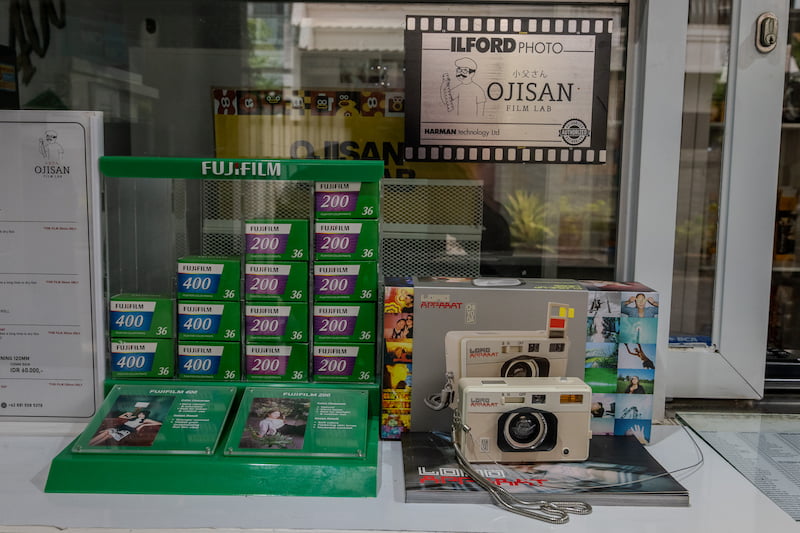
Unlike digital cameras, which allow photographers to capture hundreds of images without hesitation, film photography introduces a degree of limitation. A traditional 35mm roll generally contains just 24 or 36 exposures. Every photograph therefore requires more consideration, from choosing the composition to adjusting the exposure and deciding when to press the shutter.
There is no immediate preview, no endless sequence of identical images, and no opportunity to delete an unsuccessful photograph. Instead, photographers must wait until their film has been developed to discover the results. What might initially appear inconvenient has become part of the attraction. The slower process encourages photographers to pay closer attention to their surroundings, appreciate natural light, and engage more deliberately with their subjects.
There is also something deeply personal about the experience. Loading a roll of film, hearing the mechanical shutter, and waiting to discover the results create a connection with photography that differs from the immediacy of a smartphone. At a time when digital images are increasingly shaped by filters, algorithms, and artificial intelligence, film offers something refreshingly unpredictable.
A revival taking shape across Indonesia
Although comprehensive national statistics on analogue photographers remain limited, several indicators suggest that film photography continues to attract interest across Indonesia.
The movement is not entirely new. In 2017, Indonesian news agency ANTARA reported that Jakarta’s Lowlight Bazaar, an event dedicated to analogue photography, had attracted approximately 1,700 visitors during its eleventh edition. The event, launched in 2010, had become a gathering point for camera enthusiasts and collectors.
More recently, independent businesses have provided further evidence of the medium’s continued appeal. In Yogyakarta, a university study published in 2024 examined sales strategies for Tomo Film, a retailer specialising in photographic film. Researchers surveyed 100 members of the local analogue camera community. A two-day promotional initiative generated 39 additional film roll sales, increasing the company’s revenue by 32.42% during the campaign.
In Bandung, another example emerged in July 2025. According to Indonesian media outlet Astakom, Izulgeokids Analogue Camera Store, an independent retailer specialising in film cameras and accessories, reported average monthly turnover of approximately Rp15 million.
While these figures cannot establish the size or growth of Indonesia’s national analogue photography market, they illustrate the commercial activity surrounding a medium once considered outdated. The resurgence also reflects a wider international movement. In 2026, Eastman Kodak confirmed investments in modernising and increasing its film manufacturing capacity to meet growing demand for photographic and motion picture film.
For Indonesian photographers, however, the attraction extends beyond market trends. It is increasingly connected to creative expression, personal experiences, and the communities surrounding analogue photography.
Ojisan Film Lab: keeping analogue photography alive in Bali
Behind every roll of film lies another essential part of the analogue experience: the laboratory.
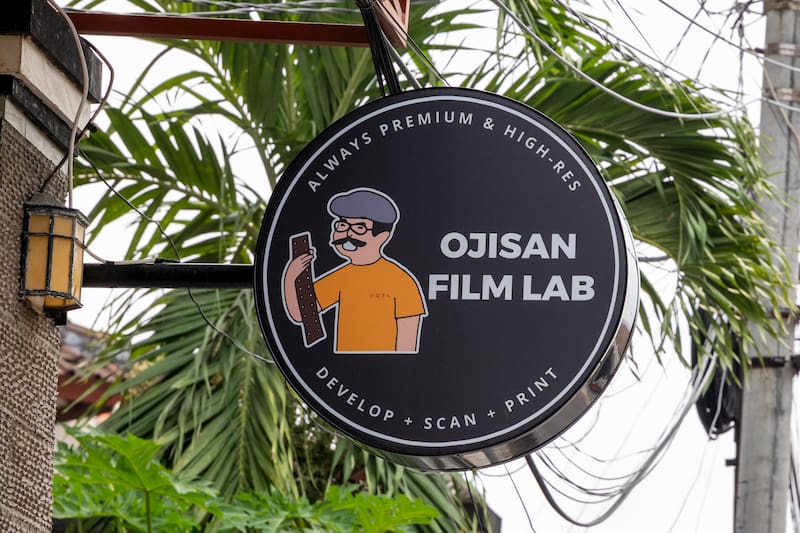
In Denpasar, Bali, Ojisan Film Lab is among the independent businesses keeping traditional photographic processes accessible. Specialising in film developing and scanning, the laboratory works with both 35mm and medium-format film, offering services that bridge traditional photography and today’s digital world. Its processing capabilities include colour negative and black-and-white film. For photographers accustomed to the immediacy of digital images, the experience is distinctly different. Once a roll has been completed, the film must be processed before the photographs can finally be seen.
Laboratories such as Ojisan play an essential role in sustaining analogue photography. Beyond developing images, they help preserve the practical knowledge, equipment, and processes that make film photography possible. They also represent an important connection between generations. Experienced photographers can continue working with a familiar medium, while newcomers gain access to the services necessary to discover it.
In a country where digital photography dominates everyday life, these independent laboratories demonstrate that traditional processes still have a place within contemporary creative culture. They also remind photographers that making an image does not always end when the shutter is released. Sometimes, it is only the beginning.
The beauty of imperfection
Digital photography has made technical perfection easier to achieve than ever before. Modern cameras and smartphones can automatically adjust exposure, correct colours, reduce noise, and enhance photographs with remarkable precision.
Film photography offers a different visual language.
Visible grain, subtle colour variations, unexpected light leaks, and occasional imperfections can give photographs a distinctive character. Rather than being automatically corrected, these characteristics are often appreciated as part of the medium’s identity.
Different film stocks also produce different results. Colour negative films, black-and-white emulsions, and expired rolls allow photographers to experiment with textures, tones, and contrast.
The results can sometimes be surprising, even for experienced photographers. Yet the attraction of analogue photography is not limited to its visual appearance. There is also a physical dimension. Loading a film camera, advancing the roll, developing negatives, and producing photographic prints reconnect photographers with processes that have largely disappeared from everyday digital photography.
For some enthusiasts, the experience is as meaningful as the final image.
A creative passion that comes at a price
Despite its renewed appeal, analogue photography presents several practical challenges.
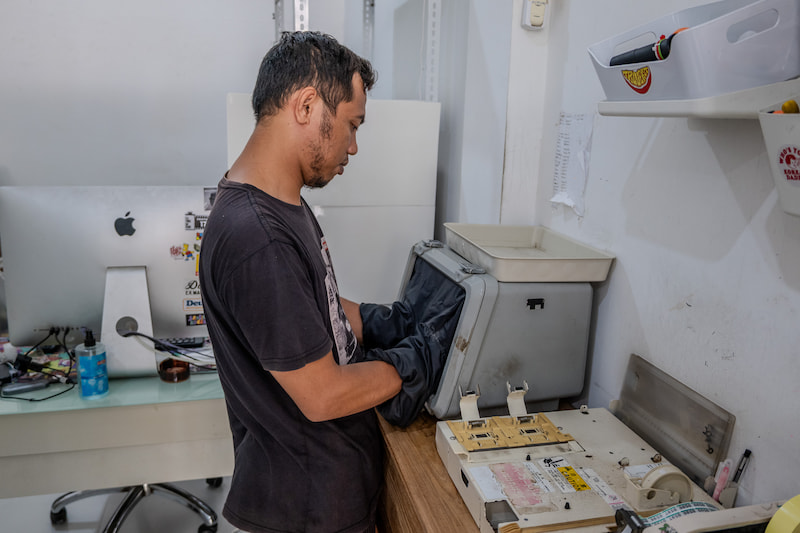
Film cameras may be relatively accessible on the second-hand market, but the ongoing costs of purchasing film, developing negatives, and scanning photographs can quickly accumulate. Unlike digital photography, where additional exposures carry virtually no direct cost, every roll of film represents a financial commitment.
Availability can also be an issue. Certain films, processing chemicals, and specialist equipment are imported, making the analogue photography ecosystem dependent on international supplies. For newcomers, learning traditional techniques requires patience. Exposure mistakes cannot always be corrected, and photographers may lose entire frames through technical errors. Even experienced photographers occasionally discover unexpected results after development.
Yet these limitations are not necessarily discouraging. For many enthusiasts, they form part of an experience that places greater emphasis on experimentation, creative choices, and personal expression than on producing large quantities of images.
Film photography is unlikely to replace the convenience of digital cameras. Instead, the two mediums increasingly coexist, serving different purposes and creative ambitions.
More than nostalgia
The renewed interest in film photography reflects a broader fascination with experiences that feel personal, tangible, and less dependent on digital convenience. From vinyl records and handmade objects to traditional crafts and mechanical cameras, practices once considered outdated are finding new relevance among contemporary audiences. Photography is no exception.
For expatriates living in Indonesia, analogue photography offers another way to engage with local creative culture. Independent laboratories, photography communities, and vintage camera enthusiasts provide opportunities to exchange ideas, discover different perspectives, and explore familiar surroundings through a slower, more deliberate process.
For Indonesian photographers, the medium offers space for experimentation alongside the country’s expanding digital creative industries.
The future of photography will undoubtedly remain digital. But the continued appeal of film suggests that technological progress does not always replace older practices. Sometimes, it simply gives them a new meaning.
And perhaps that is the real attraction of analogue photography: not the desire to return to the past, but the opportunity to experience the present with greater intention.