



What do you do when your contract as a teacher at the Dutch school in Jakarta has ended?
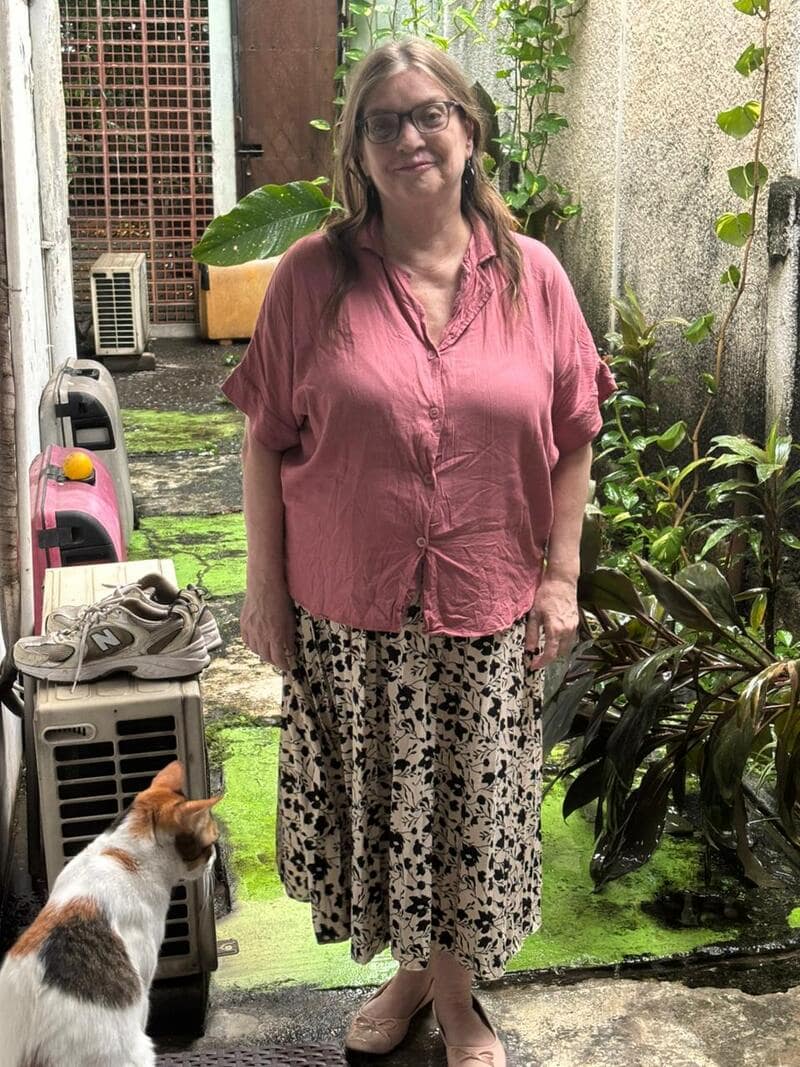
Most people would pack their bags, say goodbye to the tropical warmth, and return to the Netherlands. Ingrid van der Mark, however, did the opposite. She stayed. In fact, in 2009, she decided to start an orphanage in the middle of Indonesia’s busy, chaotic, and colourful capital. It began small, almost invisible, but it was built on a strong conviction to do something good.
“When you work on a small scale, it is much easier to follow the children’s development and respond in an appropriate way,” Van der Mark says. “You may not change the world, but you can change the world of a child. And that’s enough for me.”
Anyone stepping into the house of Lestari Sayang Anak may notice it immediately—it is warm, messy like any home with children, and full of life. No institution, no clinical hallways. Just a home.
Where the Children Come From
Most children who end up with Van der Mark are not orphans in the literal sense. They often still have a father or a mother, and sometimes even both. But poverty is a powerful adversary. For many parents, it is impossible to care for a newborn baby when there is no money for food or medical costs. A child may be left behind in a hospital or placed with relatives who are barely managing themselves.
Children are brought by neighbours, by an aunt who can no longer cope, or by the local authorities, who have been called in for similar situations before.
In the early years, Lestari Sayang Anak focused mainly on the very young. Van der Mark employed several ibu’s—Indonesian women who cuddled the babies—as they sang and played with the children. Van der Mark’s pedagogical degree in the Netherlands, specialising in the development of attachment in babies and toddlers, formed the basis of that approach. She knew how essential touch, warmth, and attention are. That’s why she consciously chose a small-scale model—and not the large dormitories with tightly swaddled babies that you often see in Indonesia.
Now that the children are older, between 11 and 17 years of age, the care has changed. With school pressure, puberty, and insecurities, they need guidance on a completely different level. Van der Mark is a mother figure, mentor, and confidant all at once—every day.
Daily Life in the House
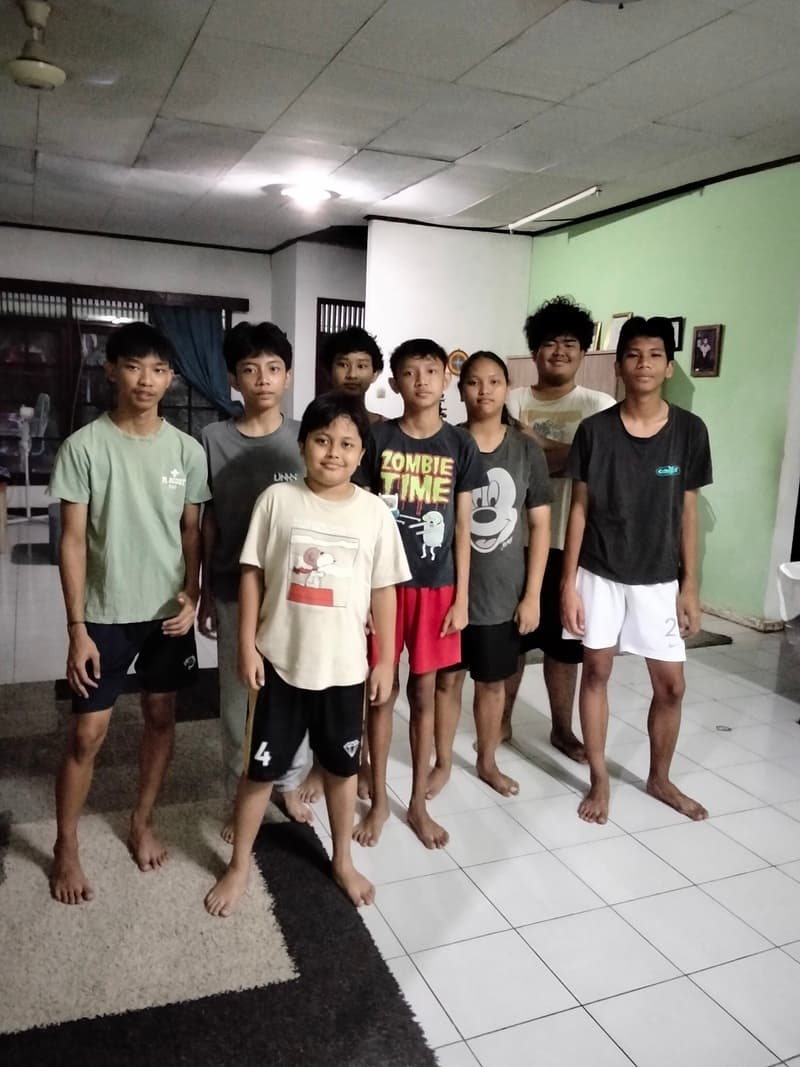
Eight children now live in the house of Lestari Sayang Anak—in addition to the two daughters that Van der Mark and her Indonesian husband had adopted. There are seven boys and one girl. The boys share a room and sleep in bunk beds, where schoolbooks and sports bags are scattered everywhere. The girl often sleeps with the ibu’s, who still play a crucial role. The ibu’s would cook, help clean, and make sure everything is on the table on time.
Every morning, the children are driven to school in a car that was once donated by a generous sponsor. Tony, Van der Mark’s husband, is the driver. His role is far broader, serving as a security guard, gardener, and handyman all at once. When a water pipe bursts or the roof starts leaking—something that happens almost yearly during the rainy season—Tony is the one who repairs it. The landlady does nothing about maintenance, and the costs always fall on Van der Mark.
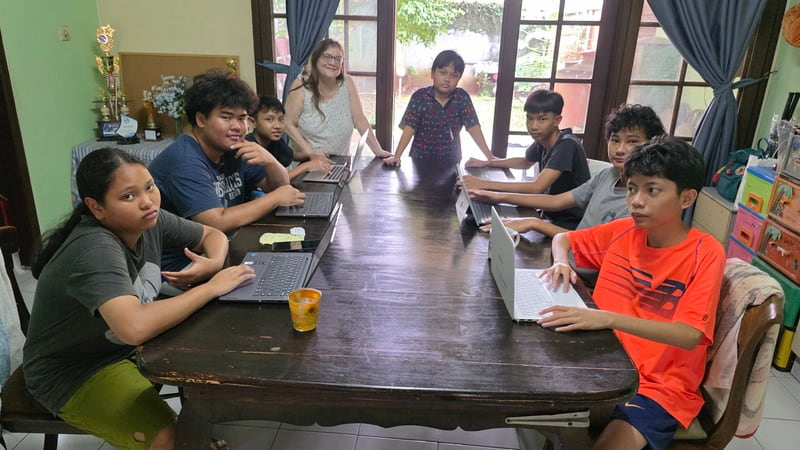
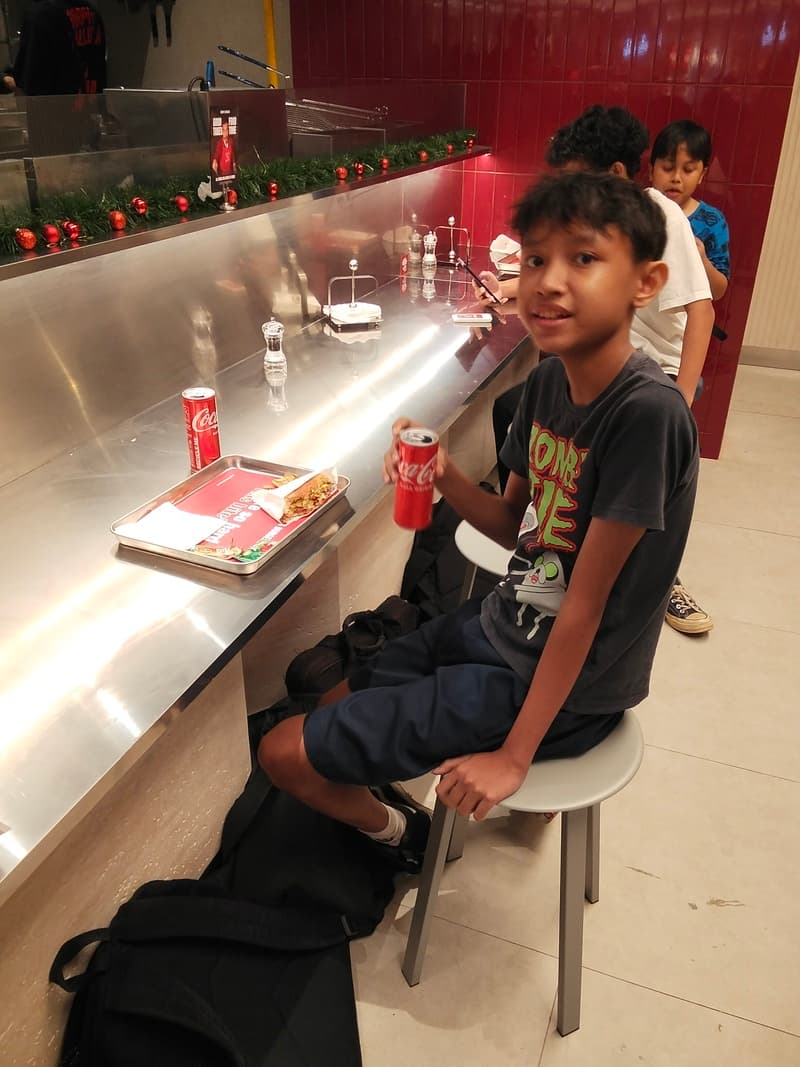
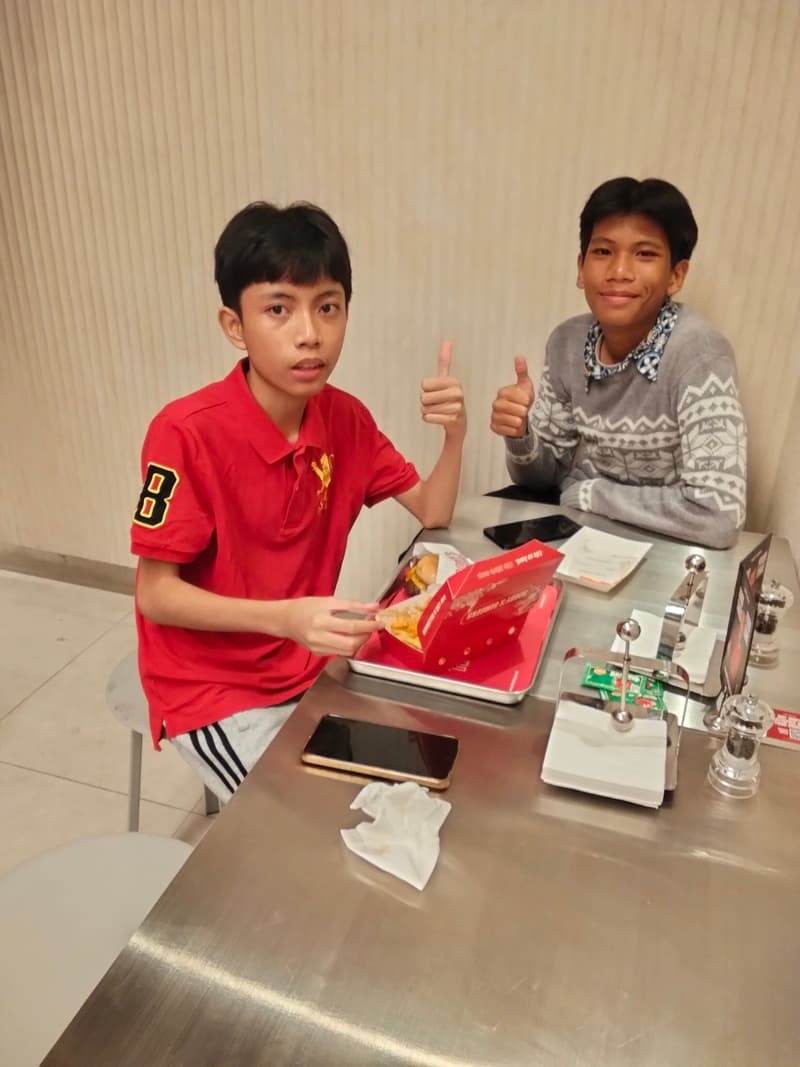
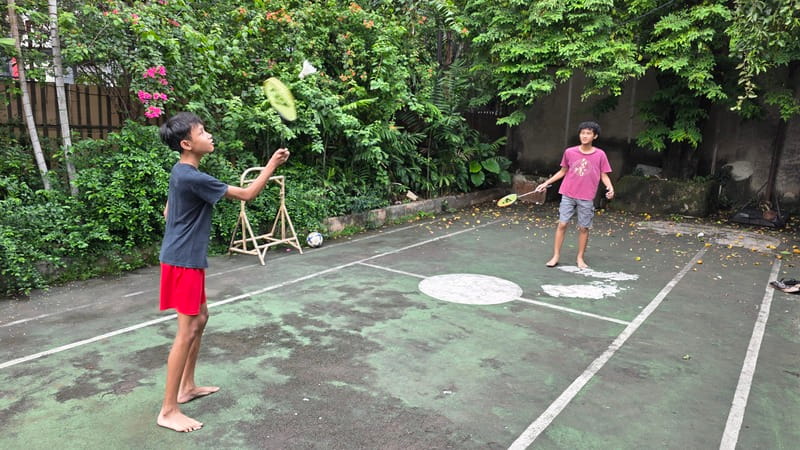
Life at Lestari Sayang Anak is simple but structured. They eat together, do homework at the big table, and try to do something fun every weekend. A walk, a movie, a football match—those are small things that make life feel big.
From Expat Clubs to Quiet Income
When Van der Mark started, Jakarta was a city full of expats. Expat women, in particular, used to organise charity activities. They baked for bazaars, sold crafts, organised dinners, and donated generously. For years, this ensured that the orphanage could operate with reasonable financial stability.
But Jakarta had changed since then. Many expats left, companies moved, and the clubs slowly disappeared. With them went the reliable income as well. What remained were occasional donations—heartwarming, but seldom predictable.
Moreover, Van der Mark doesn’t do commercial campaigns. It’s simply not her nature—she is modest and focused on the children instead of the marketing.
“We’re really struggling financially now,” she says. “I hope that people who can afford it will help us.”
Van der Mark’s savings are almost gone. They were used for years to fill the gaps. She does not take a salary; that’s impossible. Everything—absolutely everything—goes to the children.
Special Guests and Special Moments
Nevertheless, there are bright spots—and, sometimes, unexpected ones. World-famous musicians such as guitarist Ron Thal from Guns ’n Roses, as well as the two members of the American band LANY, have already been in the living room of Lestari Sayang Anak, playing with the children as if they were their own nephews. Ruud Gullit had also visited; his arrival was a holiday for the kids. He still sends birthday cards, and his signature proudly hangs on the wall. It’s one of those small details that shows this house radiates something special.
But visits like these do nothing to solve the structural financial issues. Instead, what they bring is hope, joy, and the comforting feeling that they are not forgotten.
How You Can Help
People who want to contribute can do so in different ways. Some prefer to sponsor something concrete, such as the school fees for one child. Van der Mark can specify exactly how much that is per month. The money ends up in the shared pot, but the idea of directly contributing to a child’s future motivates many donors.
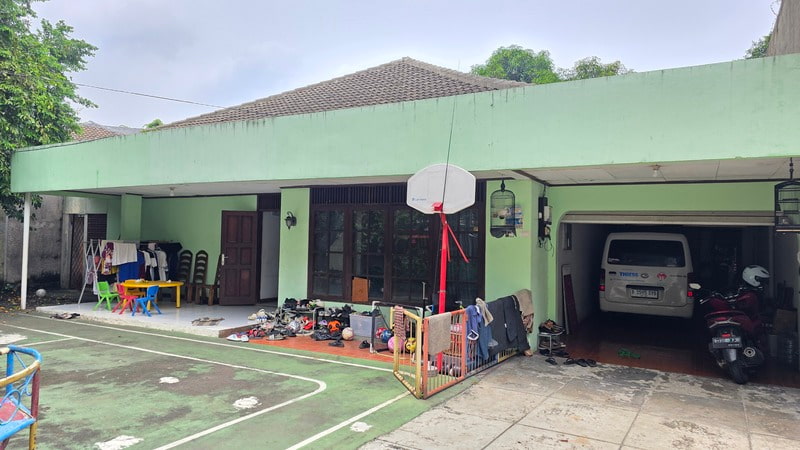
Others choose one-time projects, such as a new refrigerator, a washing machine, or the much-needed renovation of the bathroom. The house is inexpensive, but that also means the landlady does no maintenance. Everything that breaks must be paid for by them.
For those who want to know where the money goes, a clear annual financial report is available. It shows that every rupiah is spent on the children.
A House That Makes a Difference
Lestari Sayang Anak is not a large institution. It is an ordinary house in an ordinary neighbourhood, but with an extraordinary impact. Ten children who otherwise would have had no future find safety, structure, and love there.
“You can’t save the whole world,” Van der Mark concludes, “but you can change the life of a child. And that is exactly what we try to do here.”
If you wish to reach out to Ingrid van der Mark and Lestari Sayang Anak
- Email: ingridvandermark@gmail.com
- Website: www.lestarisayanganak.org
- Instagram: lestari_sayang_anak
- Facebook: Lestari Sayang Anak2