



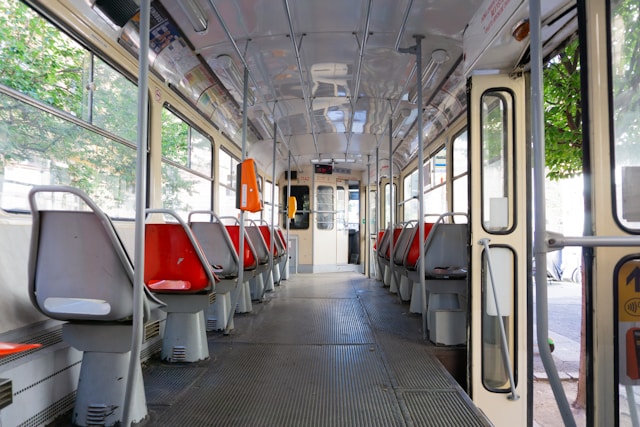
The electric tram is considered to be an increasingly concrete solution to traffic congestion along the I Gusti Ngurah Rai International Airport–Canggu route, which records daily mobility of up to 150,000 people and 80,000 vehicles.
“Tourist comfort must be maintained. It is hoped that the existence of the tram will become a new attraction for Bali tourism,” Koster said on Tuesday.
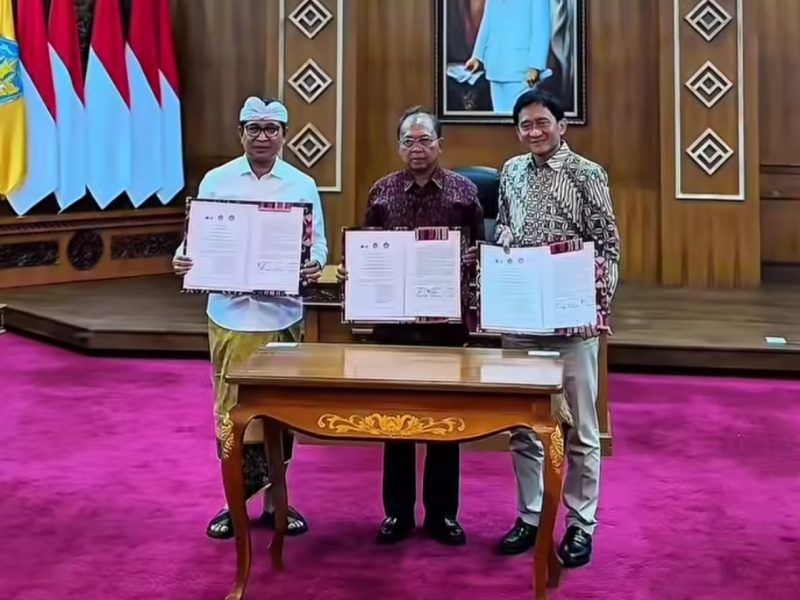
Furthermore, Koster explained that the tram was specifically designed to be different from conventional trains. It is smaller than a bus, with a width of more than 2 metres, and is quiet and environmentally friendly. As it is battery-powered, it does not require overhead cables. The electric tram is projected to have a travel time of 30 minutes, with departures every 10 minutes. In addition, the system is targeted to transport up to 60,000 passengers per day, or accommodate 40% of regional mobility.
The groundbreaking ceremony is planned to take place in March 2027, with the first line beginning operations in 2028. The entire route to Canggu is expected to be fully completed in 2029.
The battery-powered electric tram was chosen because it was considered more in line with Bali’s characteristics than modes such as Mass Rapid Transit (MRT) or Light Rail Transit (LRT). The battery-powered electric tram is also considered to have lower noise levels than the other alternative modes of transport.
“Transportation development must take into account Bali’s uniqueness, preserve its beauty, support tourism, and not disrupt the lives of the local community,” Koster emphasised.