



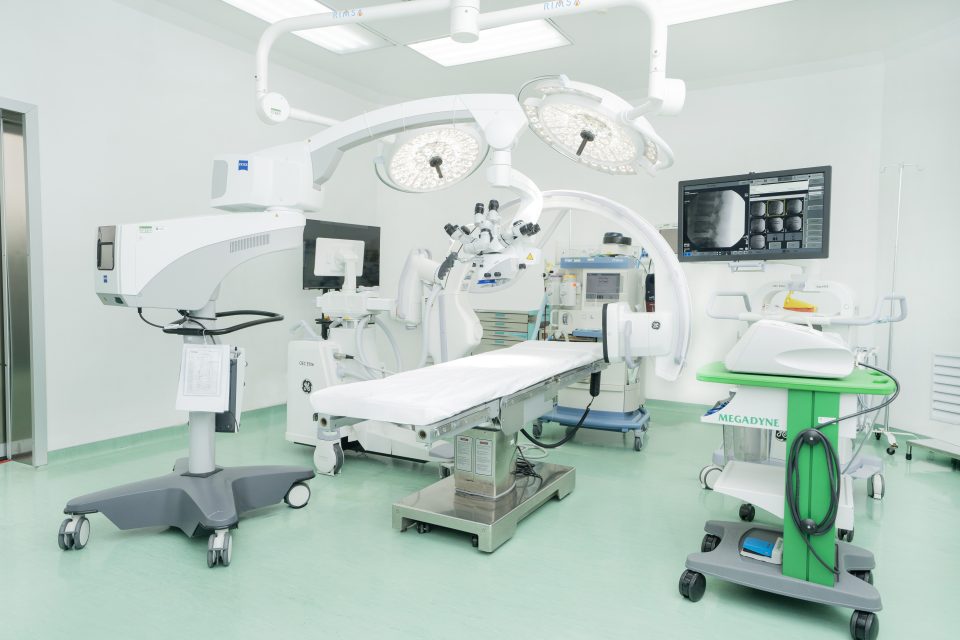
Bethsaida Hospital Gading Serpong introduces minimally invasive laser haemorrhoidoplasty, offering patients a safer treatment with minimal pain and faster recovery.
Haemorrhoids are a condition in which the blood vessels in the anus or rectum become swollen or inflamed. They are often ignored due to embarrassment or the assumption that they are only a minor problem. In fact, haemorrhoids can cause significant discomfort and lead to further complications.
Haemorrhoids occur due to swelling of the blood vessels around the anus or rectum, which can be triggered by various factors such as prolonged sitting, constipation, or excessive straining during bowel movements. Although haemorrhoids are generally not a serious condition, their symptoms can be highly distressing, ranging from bleeding and itching to pain.
Common Types of Haemorrhoids
- Internal haemorrhoids: Occur inside the rectum (the lower part of the large intestine) and usually do not cause pain.
- External haemorrhoids: Occur under the skin around the anus (outside the rectum). As they are located close to sensitive nerve endings, external haemorrhoids are usually more painful than internal haemorrhoids.
- Thrombosed haemorrhoids: A type of external haemorrhoid where a blood clot (thrombosis) forms within the swollen blood vessel.
- Prolapsed haemorrhoids: A condition in which internal haemorrhoids protrude from the anus, usually caused by frequent straining (such as during bowel movements, coughing, or lifting heavy objects).
- Mixed haemorrhoids (internal and external): A combination of internal and external haemorrhoids occurring simultaneously, meaning the blood vessels swell both inside and outside the anus.
When Should Haemorrhoids Be Treated?
Not all cases of haemorrhoids require medical intervention. However, if haemorrhoids cause bleeding, severe pain, or do not improve with home treatment, it is advisable to consult a doctor. Early detection and prompt treatment can prevent haemorrhoids from developing into more serious conditions and help restore comfort more quickly.
Methods of Haemorrhoid Treatment
There are several treatment methods for haemorrhoids, ranging from conservative approaches to medical interventions. Commonly used methods include:
- Lifestyle changes: Increasing fibre intake, drinking sufficient water, and exercising regularly can help prevent haemorrhoids.
- Medications: Ointments, creams, or suppositories may help relieve symptoms temporarily.
Invasive procedures:
- Rubber band ligation: The haemorrhoid is tied off to stop blood flow, causing the tissue to shrink and fall away.
- Sclerotherapy: The haemorrhoid is injected with a substance that causes it to shrink.
- Haemorrhoidectomy: The haemorrhoid is removed through a surgical procedure.
- Laser method: A modern technology used to treat haemorrhoids through a minimally invasive procedure with faster recovery.
Laser Method for Haemorrhoid Treatment at Bethsaida Hospital
One of the advanced methods used at the Digestive Clinic and General Surgery Clinic of Bethsaida Hospital Gading Serpong to treat haemorrhoids is Laser Haemorrhoidoplasty, a procedure that uses laser energy to shrink swollen blood vessels. This procedure offers several advantages, such as:
- Minimal pain
- Faster recovery
- Lower risk of complications
- No large incisions required
“The laser method for treating hemorrhoids is highly effective and has been proven in many patients. Due to its minimally invasive nature, this method allows for faster recovery. Patients can also return to normal activities more quickly and experience milder pain compared to conventional methods,” explained dr. Okkian Wijaya, Sp.B-KBD, Subspecialist in Digestive Surgery at Bethsaida Hospital Gading Serpong.
This procedure is also suitable for patients who wish to avoid major surgery or reduce excessive pain during the recovery period. The use of laser treatment for haemorrhoids generally does not require prolonged hospitalisation, making it highly practical for patients with busy schedules.
Not only equipped with modern laser technology, Bethsaida Hospital also has a Digestive Center that provides complete facilities and comprehensive services. “At Bethsaida Hospital Gading Serpong, we are always committed to providing the best medical solutions for our patients. Our Laser Hemorrhoid service at the Digestive Center is one of the latest innovations in treating hemorrhoids more safely, with minimal pain and faster recovery time. With laser technology, patients can return to their activities comfortably and more quickly compared to conventional methods. We are proud to offer this solution as part of our effort to improve patients’ quality of life,” explained dr. Pitono, Director of Bethsaida Hospital Gading Serpong.
With a team of specialist doctors, the latest laser technology, and complete facilities, Bethsaida Hospital Gading Serpong is ready to provide the best solution for your haemorrhoid concerns. Do not delay treatment — regain your comfort and quality of life today.