




There’s a new player in Bali’s ever-evolving economic landscape, and it comes with a mission: to harmonise the island’s booming tourism sector with ethical and responsible investment practices.
Launched in October 2025, the Bali Tourism and Investment Chamber (BTIC) represents a collaborative effort with enthusiastic backing from the Indonesian Minister of Tourism, Widiyanti Putri Wardhana, and aims to foster transparent dialogue between investors, local communities, and authorities in order to create a vital conduit for secure, sustainable progress that uplifts everyone involved.
This initiative couldn’t have come at a better time, as Bali’s tourism numbers continue to climb — international arrivals from January to May 2025 are up 9% year-on-year, while investment opportunities in real estate and hospitality draw global interest with yields up to 18% gross on short-term rental investments, according to International Banker.
It’s worth noting here that two Special Economic Zones (SEZs) in Bali — Kura Kura Bali SEZ and Sanur SEZ — have become significant hubs for regional investment. According to data from Bank Indonesia (BI), the Sanur SEZ, which focuses on wellness tourism, has attracted Rp5.3 trillion in investment while creating 4,677 jobs, largely through the development of the Bali International Hospital. Meanwhile, the Kura Kura Bali SEZ, centred on premium sustainable tourism, has recorded Rp1.06 trillion in investments and 2,796 jobs by mid-2025.
A collaborative foundation
BTIC‘s story began in May 2025, sparked by a conversation between Indonesian Deputy Minister for Industry and Investment Rizki Handayani and Robert Beard, an expert in government relations and investment strategy as well as the founder of the Bali Foreign Investment Advisory Service.
By July, foundational meetings had coalesced a powerhouse council alongside Beard with Terje H. Nilsen, Co-Founder of Seven Stones Indonesia and advisor in sustainable tourism as well as legal compliance; Sophie Digby, Founder of Yak Magazine, communications strategist, and cultural curator; Elvira Wijsen, Co-founder of Bye Bye Plastic Bags, sustainability advocate, and youth leader; and Robert Ian Bonnick, Director of PT Karya Lyfe Group, international speaker, community builder, and entrepreneurship advisor.
Collectively, the group brings over 100 years of experience in Indonesia and has assisted more than 3,000 foreign investors in establishing businesses across the country.
Positive reactions
Seven Stones Indonesia’s Nilsen emphasised the chamber’s ethos as follows: “Our main aim is to have a transparent and open dialogue with all levels of government and also investors to increase clarity in the market and attract good investors aware of regulations from day one.”
Local media have welcomed the launch as well. ANTARA News highlighted BTIC’s role in bolstering collaboration to tackle tourism challenges amid rising violations by visitors. Tempo, in an opinion piece on the irony of Balinese tourism development, echoed concerns about over-development threatening rice fields and subak systems, but suggested initiatives like BTIC could steer toward balanced progress.
A bridge for investor-government synergy
Despite being non-political, Wardhana’s proactive stance in pushing for premium destinations has infused BTIC with a degree of governmental gravitas. She envisions Indonesia as a gourmet and cultural powerhouse; for example, a goal BTIC advances through quarterly Investor-Government Dialogue Forums, monthly policy briefs, and compliance workshops to demystify procedures like the Online Single Submission (OSS) system. This is crucial in a province where economic growth, driven by tourism and investment, hovers above 5.5%, together with national tourism and investment inflows projected to exceed US$50 billion in 2025.
This synergy is looking to create a more conducive environment in Bali, where over 25,000 foreign entities thrive alongside local Micro, Small, and Medium-sized Enterprises (MSMEs).
Nilsen further noted, “The actual legal framework is already there, although there are clearly some issues that need to be worked out between the central government and the provinces — as well as an awful lot of misperceptions among foreigners as to what they can and cannot do.”
By providing policy input and matchmaking credible investors with local projects, BTIC is in a position to streamline processes by reducing bureaucratic hurdles that have historically deterred potential partners. The BTIC bridge not only boosts investor confidence but also ensures government policies reflect real-world needs, fostering a more predictable business environment.
Fostering a secure environment for all stakeholders
BTIC is committed to legal, social, and economic security, all of which are woven into the same idea of quality experiences that Wardhana is focusing on. For investors, this means enhanced risk mitigation through education, potentially lowering the incidence of disputes. As for tourists, initiatives like BTIC’s Sustainable Investment Awards encourage operators to prioritise safety and quality.
Locals stand to gain the most from purposeful and positive community-driven partnerships. BTIC promotes inclusive growth, aligning with Indonesia’s national goals to reduce poverty and unemployment. However, there are elephants in the room that need addressing. As ANTARA News, among others, has reported, while tourism booms, violations by foreigners in Bali are on the rise. Moreover, along with over-development, lack of spatial planning, traffic congestion, and poor waste management, calls for better oversight are getting louder.
Tackling environmental challenges head-on
BTIC positions itself as a champion for sustainability, integrating environmental responsibility into investment strategies. With tourism contributing significantly to Bali’s GDP, unchecked growth is simply unfeasible. The chamber’s Community Development Partnerships and awards programme incentivise eco-friendly projects, such as waste management initiatives inspired by Elvira Wijsen’s Bye Bye Plastic Bags campaign.
Tempo’s critique of tourism’s irony highlights the need for balance, which BTIC aims to provide through data-driven insights and policy feedback. By attracting investors focused on green bonds and renewable energy, BTIC could help Bali meet national net-zero targets by 2060 while also addressing immediate issues like plastic waste that affects marine life and tourism appeal. This proactive stance not only safeguards the environment but also enhances long-term investment viability.
 Preserving Bali’s cultural heritage
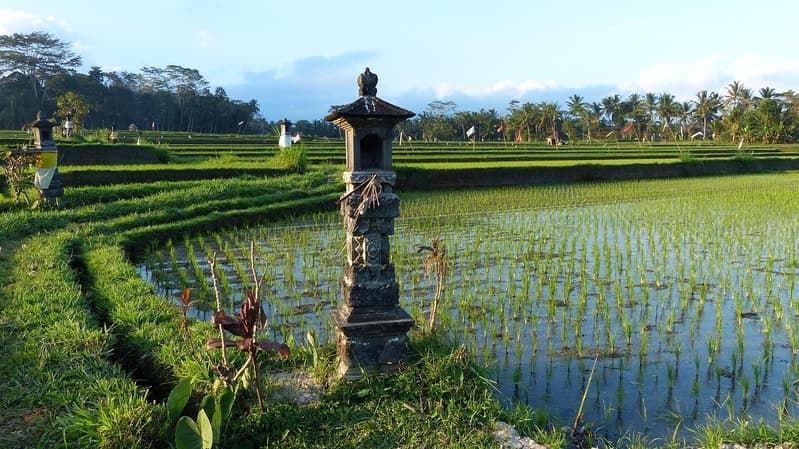
Culture is the soul of the Bali experience, and BTIC is committed to ensuring development doesn’t erode it. The chamber promotes investments that respect adat (customary law) and empower communities, fostering harmony between tradition and modernity. With domestic tourism surging to over 8 million visitors in 2024, supported by government campaigns, BTIC’s emphasis on ethical practices helps preserve sites, temples, and rituals.
ANTARA News’s coverage of collaborative efforts underscores this, noting how sustainable tourism can protect heritage while driving economic benefits. By involving local stakeholders in decision-making, BTIC ensures that growth celebrates Bali’s Hindu-Buddhist roots, turning cultural preservation into a competitive advantage for investors.
Beyond paper: Practical pathways forward
A fair question lingers: Is BTIC just another glossy organisation, destined to gather dust on shelves while Bali grapples with realities? With dozens of similar bodies in Indonesia’s tourism space, scepticism is warranted — many falter on follow-through, leaving communities with unfulfilled promises. Yet, BTIC’s ministry mooring under Wardhana sets it apart as her hands-on approach suggests greater accountability.
To ensure lasting change, practical steps are essential. These may help:
First, embed independent audits: Quarterly third-party reviews of forum outcomes, published transparently, to measure against goals like 80% investor compliance rates. Second, amplify community veto power: Mandate 50% local representation in project approvals, empowering banjars to greenlight or halt developments. Third, leverage Wardhana’s network for seed funding — allocate 5% of ministry tourism grants to BTIC pilots, like eco-training hubs. Finally, foster digital dashboards for real-time impact tracking, accessible to all, turning data into stories of progress.
These shouldn’t be considered as lofty ideals; they’re actionable blueprints, drawn from successes like Bye Bye Plastic Bags’ 30% waste reduction in pilot villages. With ministerial muscle, BTIC has all the potential to evolve from blueprint to bedrock.
A positive outlook for Bali’s future
The BTIC’s debut signals a maturing market where optimism meets pragmatism.
With Bali’s tourism outlook for 2025 projecting continued growth — driven by higher spending and diverse arrivals — the chamber’s role in bridging gaps could unlock even greater potential. As Nilsen and his co-founders put it, “When dialogue replaces assumption, progress begins.”
For investors eyeing entry-level properties at US$100,000 or sustainable ventures, BTIC offers guidance and security. Locals and tourists alike can look forward to a Bali that thrives without compromise.
If you’d like more details and how you can be involved with the Bali Tourism and Investment Chamber (BTIC), reach out to the team at Seven Stones Indonesia via hello@sevenstonesindonesia.com.
Because the Island of the Gods isn’t just a destination; it’s a model for balanced prosperity.
Sources: Bali Tourism and Investment Chamber, Seven Stones Indonesia, ANTARA News, Tempo, Invest Indonesia, Bali News, Indonesia Expat, International Banker, NusaBali.com, Bali Post