


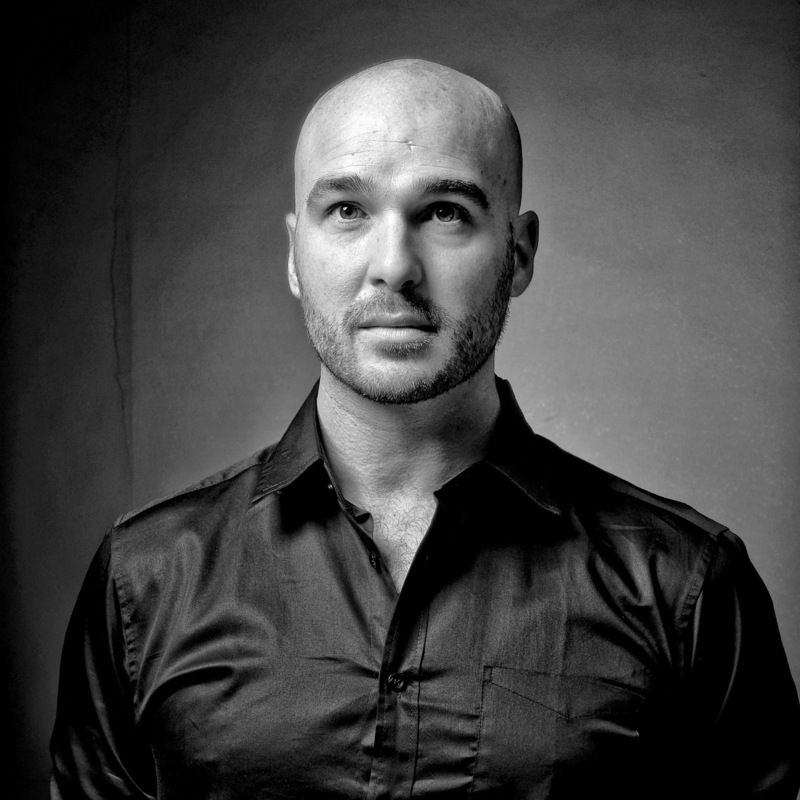
For more than fifteen years, Damien Lafon, a French documentary photographer, filmmaker, author, and journalist, has travelled extensively across Indonesia, documenting the intricate relationship between its people, cultures, and natural landscapes. Rather than chasing breaking news or fleeting moments, Damien has dedicated himself to long-form storytelling; an approach built on patience, trust, and immersion, allowing stories to reveal themselves over time.
Prior to that, he worked in adapted sports, helping people with disabilities experience the outdoors through adventure. Those early experiences cultivated a deep curiosity about people and their stories, a perspective that later evolved through studies in marine biology, scientific diving, and years spent travelling across the Indonesian archipelago with a camera in hand.
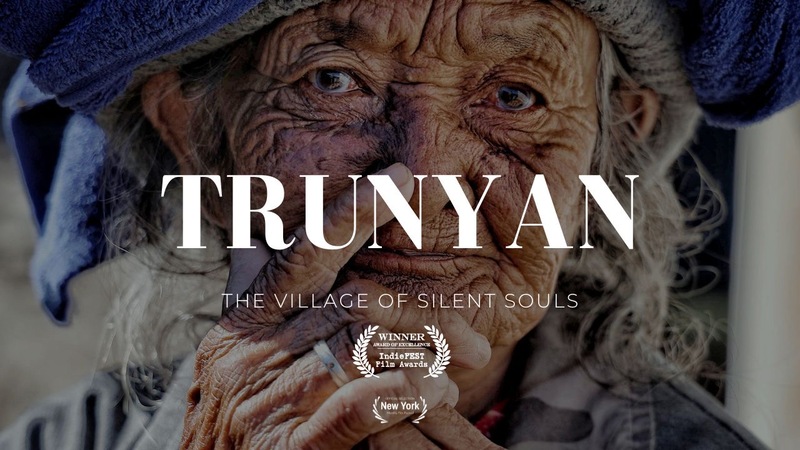
Today, through his independent platform Terra Cultura, award-winning documentaries, published books, and the recently opened Eyes on Bali gallery in Sanur, Damien continues to explore Indonesia with remarkable depth. His work is rooted in the belief that understanding a place requires time, curiosity, and meaningful relationships with the people who call it home.
He reflects: “Looking back, Human stories, culture, biodiversity, and conservation are no longer separate subjects for me. They are different parts of the same story, and that’s exactly what I try to document today through photography, films, books and journalism.”
So Damien, you’ve spent more than 15 years documenting Indonesia. What initially drew you to the country, and what convinced you to make it the focus of your life’s work?
Indonesia didn’t become the focus of my work overnight. At first, I simply came to travel with my camera. But every trip revealed another culture, another island and another way of seeing the archipelago. The country’s extraordinary cultural and biological diversity kept drawing me back. Eventually, I realised I wasn’t interested in constantly chasing new destinations. I wanted to understand one country deeply.
The more time I spent here, the more I realised that many of these cultures and environments were changing rapidly. Rather than constantly searching for new destinations, I chose to stay, build relationships and document these transformations over time.
Living here has allowed me to move beyond being an observer. I now work with communities I have known for years, which creates trust and allows for more honest storytelling.
Tell us about Terra Cultura.
Terra Cultura is an independent media platform dedicated to documentary storytelling through photography, films and written articles. Its purpose is simple, to explore the connections between nature, culture and human societies while giving space to stories that deserve time and context.
In a media landscape increasingly driven by speed and algorithms, Terra Cultura follows a slower approach. We spend weeks, months or sometimes years working on a single subject before publishing it.
Beyond producing stories, Terra Cultura also develops books, exhibitions, educational content and documentary projects that encourage people to better understand the places and communities around them.
Your documentaries avoid sensationalism, even when covering subjects like Trunyan’s funerary traditions. How do you balance creating compelling stories while respecting the communities that share them?
Respect always comes before the story.
People often focus on what appears unusual or exotic, but I believe every tradition deserves to be understood within its own cultural context. My goal is never to shock the audience but to help them understand why these traditions exist and what they mean to the people who live them.
That requires patience. I spend time listening before filming, explaining my intentions and making sure people feel comfortable with my presence. When trust is built first, the camera becomes much less intrusive, and the resulting story feels far more authentic.
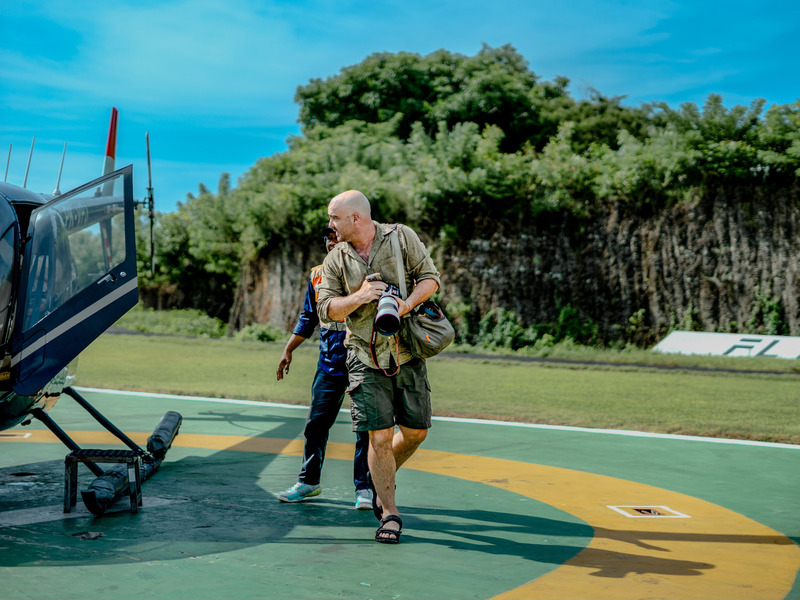
You’ve worked as a photographer, filmmaker, author and journalist. How does each medium allow you to tell a story differently?
Each medium offers a different way of connecting with people.
Photography captures a single moment that invites reflection. A photograph allows viewers to pause and interpret the scene in their own way.
Film adds movement, sound with the motion. It lets the audience experience an atmosphere and spend time alongside the people being documented.
Writing provides context that images sometimes cannot. It allows me to explain history, environmental issues or social changes while connecting different ideas together.
Rather than choosing one medium over another, I see them as complementary ways of telling the same story.
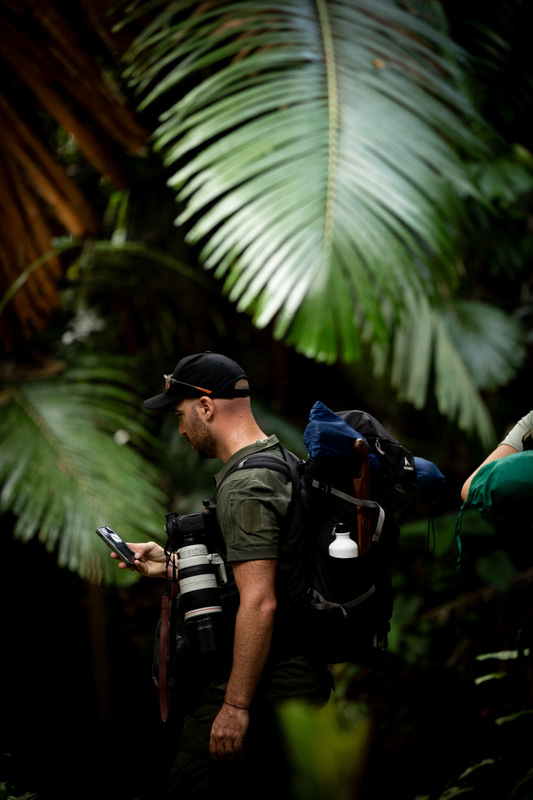
Many of your projects explore the relationship between people, nature and tradition. Do you consciously look for stories where those three elements intersect, or do they naturally emerge?
They naturally emerge because they are deeply interconnected.
In many parts of Indonesia, culture cannot be separated from the surrounding environment. Forests, oceans, rivers and mountains are not simply landscapes; they influence traditions, livelihoods and local identities.
As someone with a background in marine biology, I have always been interested in ecosystems. Over time, I realised that understanding nature also means understanding the people who depend on it. This intersection has become the common thread running through nearly all of my projects.
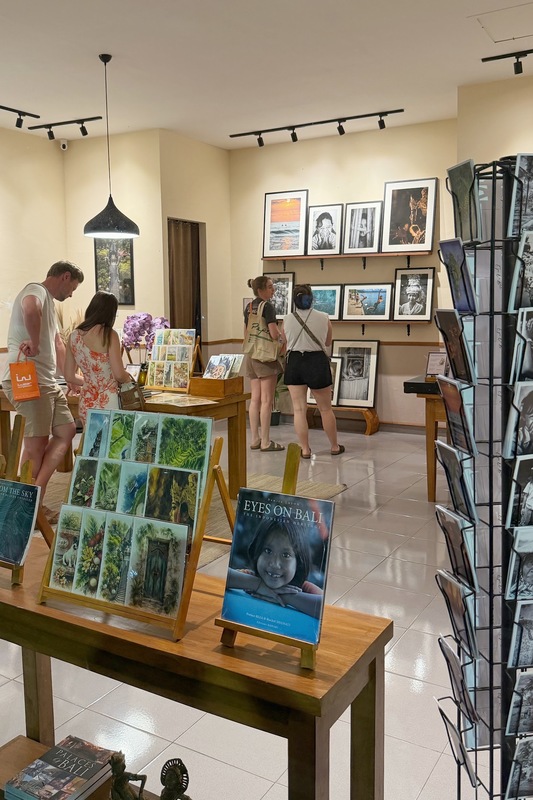
You recently opened Eyes on Bali in Sanur. Beyond exhibiting photographs, what conversations do you hope the gallery encourages among residents and visitors?
Eyes on Bali is more than a photography gallery. I hope it becomes a place where people slow down and look beyond the postcard image of Bali and Indonesia.
Many visitors discover the island through beaches and resorts, but there are countless human stories taking place beyond those familiar scenes. Through documentary photography, I hope people are curious about the island’s traditions, its changing landscapes and the people who continue to build its identity.
If someone leaves the gallery asking new questions or seeing Bali differently, then the exhibition has achieved its purpose.
After spending so many years documenting Indonesia, are there any stories you still feel remain untold?
Absolutely. The more I work here, the more I realise how much remains undocumented or can be documented in another way.
Indonesia is incredibly diverse, yet many communities receive very little long-form attention. I’m particularly interested in documenting places where environmental change, cultural heritage and modern development intersect.
Some of these stories are disappearing quietly, not because they are insignificant, but because few people have the time to document them properly. I hope to continue exploring these subjects through future documentaries, books and investigative articles.
How can our readers get in touch?
The easiest way is through Terra Cultura. Visitors are also welcome to stop by the Eyes on Bali gallery in Sanur, where many of the documentary projects featured in Terra Cultura can be experienced through fine art photography and exhibitions.
- Instagram: @damien_lafon_photography
- Website: www.terra-cultura.com