




For expat teachers, Indonesia offers far more than a job overseas. It is a daily immersion in a country of astonishing diversity, a chance to build a life shaped by travel and culture, and an opportunity to leave a lasting mark on the next generation, all at once.
There is a particular kind of morning that only exists in Indonesia. Motorbikes weave past roadside warung stalls, and somewhere nearby, a call to prayer or a gamelan rehearsal marks the start of the day. For the growing number of expats who choose to teach here, mornings like this are not a holiday memory. They are simply Tuesday.
Teaching abroad is often sold as a career move, a line on a CV, or a way to bank some savings while seeing the world. In Indonesia, it becomes something else entirely. It is a daily immersion into one of the world’s most culturally rich nations, a chance to build genuine relationships with students who are only just discovering what they are capable of, and, for many, the beginning of an entirely new way of living.
That need for skilled teachers reaches beyond mere sentiment, as it shows up in the numbers. Indonesia placed 80th out of 123 countries in the 2025 EF English Proficiency Index, sitting in the ‘low proficiency’ band nationally even as Jakarta’s own score climbed into the moderate range. It is exactly that gap, between a handful of fast-moving cities and the rest of a 277-million-strong archipelago, where expat teachers find themselves needed most.
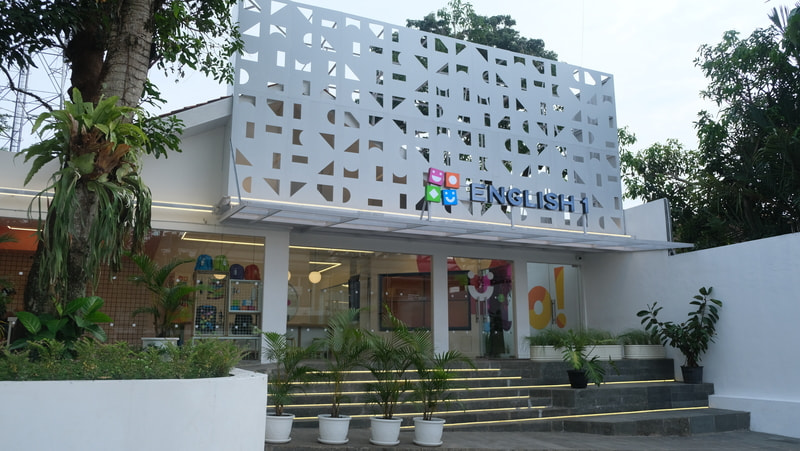
English 1 Indonesia: A Home for Teachers Across the Archipelago
English 1 is one of Indonesia’s largest premium English language providers, with more than 120 centres spread across the country. That scale means opportunities are not confined to the capital. Teachers can find themselves in the middle of Jakarta’s skyline, on the fringes of a Balinese rice terrace, or in a smaller regional city rarely mentioned in guidebooks, with each posting offering a genuinely different version of Indonesian life. For anyone weighing up where to begin an international teaching career, that breadth of choice is rare. It means the decision to teach with English 1 is really a decision about what kind of Indonesia you want to discover first.
Living in Indonesia: A Country That Never Repeats Itself
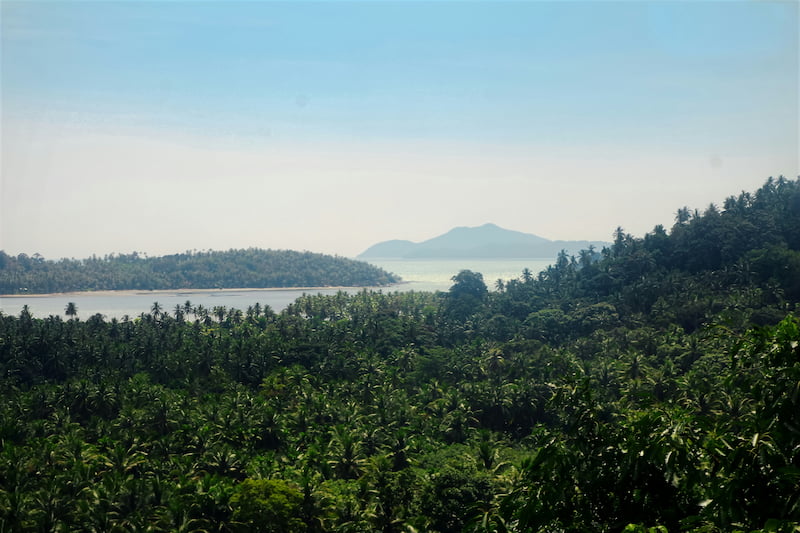
Few countries offer this much variety within one set of borders. Jakarta moves fast, dense with high-rises, rooftop bars, and a nightlife that runs well past midnight. Bali balances laid-back coastal towns with a wellness culture that has drawn creatives and remote workers from every corner of the globe. Surabaya and Bandung carry their own rhythms; industrial energy in one, cool mountain air and a thriving arts scene in the other. Further afield, Yogyakarta holds centuries of Javanese heritage in its palaces and batik workshops. Lombok offers uncrowded beaches within easy reach of Bali. Medan and Makassar open the door to Sumatra and Sulawesi, regions many expats never think to visit until they are already living nearby.
What ties all of it together is proximity. A long weekend is enough to trade a classroom for a volcano hike, a diving trip, or a quiet beach few tourists have found. Rebecca Bransden, an English 1 teacher based in Jakarta, has spent her weekends snorkelling through Raja Ampat, jungle trekking in Sumatra and Kalimantan, and climbing Mount Batur at sunrise—treating the country less like a backdrop and more like an open invitation. As she put it, travel has “become a part of my lifestyle, not just a holiday.”
Living in Indonesia does not mean choosing between work and exploration. The two sit side by side comfortably.
Food and Culture: An Education of a Different Kind
Ask any teacher who has spent time in Indonesia, and food will come up within the first few minutes. Every region cooks differently, and moving between them means constantly discovering new specialities: rich, spiced Padang cuisine, smoky Balinese babi guling, or the comforting simplicity of a bowl of soto on a rainy afternoon. Meals here are rarely just meals. They are social events, built around sharing, conversation, and hospitality.
That same generosity extends into everyday life. Festivals, religious observances, and local traditions unfold throughout the year, and expats are rarely kept at arm’s length from them. Neighbours invite, colleagues explain, and curiosity is almost always rewarded with an open door. Living in Indonesia offers a kind of cultural fluency that no amount of reading can replicate.

Teaching at English 1 Indonesia: Watching Confidence Take Shape
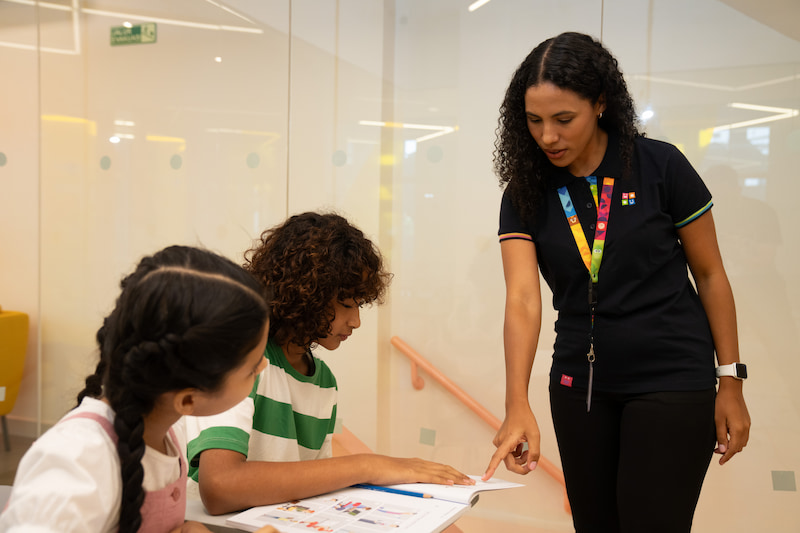
Inside the classroom, the work is layered. Teachers at English 1 work with students aged three to 18, guiding everything from a young learner’s first English words to a teenager preparing for university interviews or international study. The syllabus matters, but so does everything that happens around it: building the confidence to speak up, the curiosity to keep asking questions, and the belief that English can open doors far beyond the classroom.
For many teachers, this is where the job becomes something closer to a calling. Watching a shy student volunteer an answer for the first time, or a teenager string together a fluent sentence they once struggled with, carries a weight that few office jobs ever offer. David Lawrence, a UK graduate now teaching with English 1 in Depok, near Jakarta, describes his students as some of the most engaged he has encountered, saying he has “never met students so interested and ready to learn.” It is a chance to shape not just language skills, but also the trajectory of a young person’s future.
The scale of that need is well documented. A 2025 report in The Jakarta Post noted that over 100,000 elementary school teachers across Indonesia lack formal training in English instruction, a shortfall the government is racing to close as it pushes toward mandatory English classes from third grade onwards. Expat teachers stepping into Indonesian classrooms are not filling a nice-to-have. Instead, they are answering a gap the education system itself has flagged as urgent.
Support for Expat Teachers: Never Navigating It Alone
Moving to a new country for work can feel daunting, and English 1 is built to soften that landing.
Support begins before departure, covering relocation logistics, visa and work permit processing, and training that continues well beyond the first day in the classroom. Once in the country, local and national teams remain on hand, helping with everything from settling into a new city to navigating day-to-day life outside the classroom. The result is a transition that feels guided rather than solitary, even for those who have never lived abroad before.
So, Why Choose to Teach in Indonesia?
Indonesia offers what few destinations can match: internationally recognised teaching experience, a genuinely affordable cost of living, and near-constant access to travel and adventure. Add to that a welcoming community and a culture that rewards curiosity, and it becomes clear why so many teachers arrive for a year and stay for several.
Working with English 1 Indonesia is more than a job overseas. It is an invitation to live inside one of the most diverse countries on earth, to grow alongside the students you teach, and to build an international career while doing work that genuinely matters.
Interested in teaching with English 1 Indonesia?

- Instagram: @english1teachers.id
- Email: teacher.recruitment@english1.com
- Website: www.english1.com