



The Indonesian Ministry of Health responded to the official International Health Regulations (IHR) notification from the Australian Health Authority regarding the discovery of two measles cases among foreign nationals with a history of travel to Indonesia in February 2026.
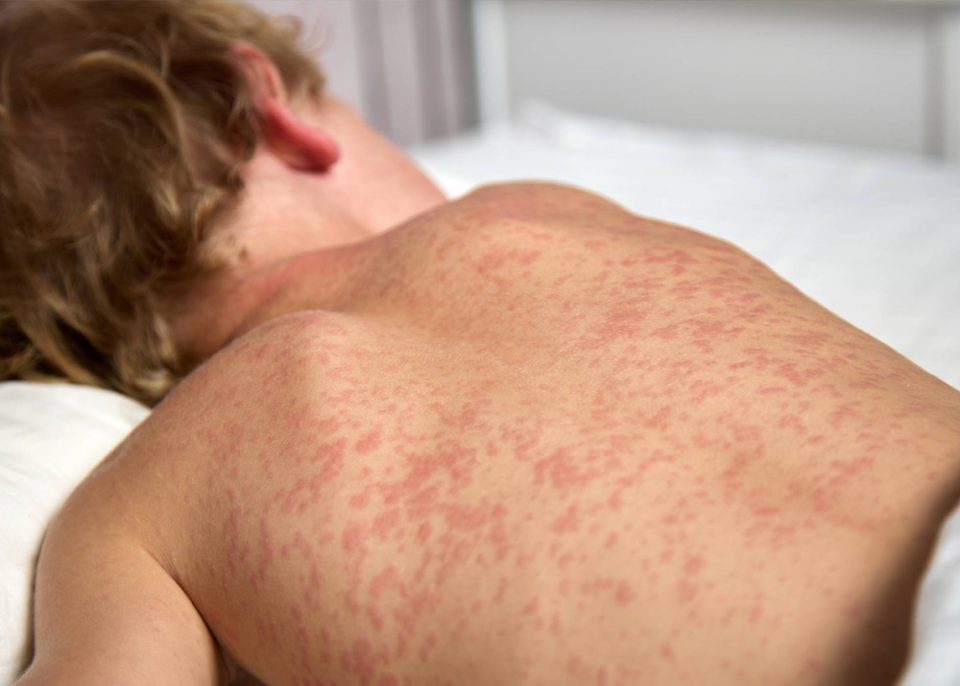
The first case involved an 18-year-old woman with a complete vaccination history who travelled from Jakarta to Perth in early February. The second case involved a 6-year-old girl with no vaccination history who travelled from Jakarta to Sydney in mid-February. Both tested positive via PCR after exhibiting symptoms of fever and rash.
Acting Director General of Disease Control, Dr Andi Saguni, explained that the notification had been received and would be immediately followed up with strategic mitigation measures.
“The Ministry of Health has received official notification through the IHR mechanism regarding two measles cases with a history of travel from Indonesia. As an immediate measure, we are strengthening measles surveillance and intensifying supplemental measles immunisation for school-age children, especially in areas with the highest caseload throughout 2025–2026,” said Saguni at the Ministry of Health’s office in Jakarta on Monday, the 23rd of February.
According to the latest Ministry of Health data, 11,094 confirmed measles cases were recorded throughout 2025. Meanwhile, 550 cases had been reported as of February 2026. However, Saguni emphasised that no national measles outbreak status has been declared.
“Communication, information and education are continuously promoted to encourage people to adopt clean and healthy lifestyles, such as wearing masks, washing hands with soap, practising cough etiquette, and consuming a balanced, nutritious diet,” Saguni continued.
The two patients reportedly visited the Bandung area, West Java, before returning to Australia. In response, the Indonesian government has placed hospitals in West Java on alert to anticipate potential local transmission. Epidemiological investigations are also ongoing to ensure no new clusters emerge from close contact with the two foreign nationals.
Meanwhile, monitoring continues to be actively carried out through a surveillance system at every entry point and health facility nationwide.