



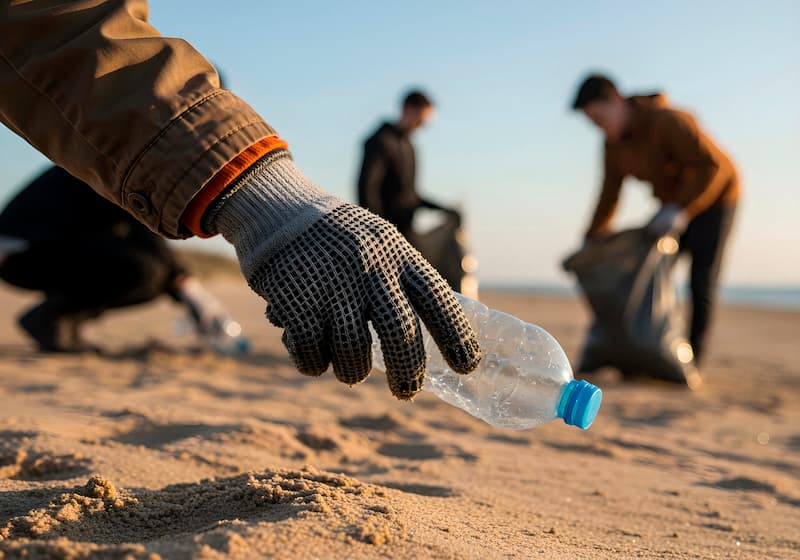
For an expat, ‘living green’ in Indonesia is about a series of compromises — small changes that add up.
When I first arrived in Indonesia, people often asked for my first impressions. I was a relatively young man from a somewhat sheltered background in Middle England, and so, in many ways, there was a fair amount of culture shock to overcome. Being as diplomatic as I could, I focused on the positives — the pleasant weather, the friendly people, and the rich and diverse culinary choices — whilst giving topics such as traffic, pollution, and waste disposal as wide a berth as possible.
It was an early insight into the myriad contradictions this archipelago continues to offer: home to some of the world’s greatest natural wonders, yet facing some of the toughest environmental challenges of our time.
I quickly learnt that, for an expat, living green in Indonesia is about navigating a cultural shift. Back home, I had things calmly and conveniently laid out for me — recycling bins on every corner, clean tap water, and reliable public transport. But here, sustainability looks and feels very different.
Everyday Green Choices in Expat Life
When I first arrived in Indonesia in 1993, the topic of plastic was becoming increasingly urgent across the globe. People were waking up to the harm it was causing to the environment and wildlife.
Early on, I found myself buying case after case of bottled water, feeling guilty with every empty bottle. Then I discovered AQUA Galon delivery, and later, refill kiosks in local neighbourhoods and new pilot projects offering reusable packaging. It was a series of small switches, but they halved my household plastic waste.
My shopping habits also changed considerably over time. Initially, I shopped almost exclusively in air-conditioned expat supermarkets, where rows of imported goods were neatly packaged in layers of plastic. However, I soon discovered the traditional pasar (market), where produce is sold loose, fresh, and often wrapped in banana leaves or newspaper.
Buying from the market not only reduced waste but also connected me with local farmers and vendors. I remember walking away for the first time with a woven basket full of seasonal vegetables for half the price I would have paid at the mall. It felt like a win for both my wallet and the planet.
Transport presented another dilemma. In many cities, traffic is infamous and public transport limited. Owning a car in my early years in Indonesia seemed excessive and expensive, while ride-hailing apps such as Grab or Gojek were still a decade or two away. This meant a constant stream of fuel-based journeys in smaller, angkot-style vehicles — or bemos, as they were called in Surabaya, where I lived at the time.
Upon moving to Jakarta at the start of the millennium, the opening of Jakarta’s bus lanes and, later, the MRT, offered a glimpse of what a greener future could look like. I made a point of using them whenever possible.
Energy use at home was another consideration. Coming from England, the very idea of needing air conditioning indoors was a novelty at first, so for a long time I managed with fans, turning them off when not needed. Over time, I succumbed to the convenience of AC more often, but to this day, I still prefer to rely on fans or simply open a window whenever I can.
It’s far from perfect, but sustainability here often feels like a series of compromises — small, everyday changes that matter.
Learning from Indonesia’s Green Grassroots
What has surprised me most is the active way Indonesia — and its citizens in particular — have taken the bull by the horns to make real, sustainable changes. Some of these initiatives are truly inspiring.
Bank Sampah (Waste Banks): Communities exchange waste for money or essentials. It’s a grassroots solution that turns recycling into a form of local currency. When I first visited one as an expat, it felt unusual, but its benefits as a practical, community-driven system quickly became clear.
Bye Bye Plastic Bags (Bali): A youth-led initiative founded by two teenage sisters in Bali, aimed at tackling single-use plastics. Thanks to their sustained drive and public awareness campaigns, Bali’s environment — especially its beaches and oceans — has improved immensely over the past five years.
Eco-Communities: Over the past decade, countless initiatives have sprung up across Indonesia. Some of the most notable include Surabaya’s waste-for-bus-fare scheme, Jakarta’s car-free Sundays, and Bali’s refill shops.
All of these innovations are eye-opening to expats and act as sources of both inspiration and motivation.
The Expat Dilemma: Lifestyle vs Sustainability
However, as with me all those years ago, moving to Indonesia presents a host of challenges and dilemmas for anyone. The biggest is often whether to give up the comforts of home or adapt to an environment that may initially feel less convenient.
Certain aspects of expat life can, unintentionally, make living sustainably more difficult.
Travel Footprint: Expats often fly for work, holidays, or family visits — creating a significant carbon footprint. This can be reduced by supporting eco-tourism rather than mass tourism, offsetting flights, and using online communication tools instead of travelling for face-to-face meetings whenever possible.
Convenience Culture: Our gadgets — smartphones, tablets, and laptops — are both a blessing and a curse. Delivery apps such as GoFood or GrabFood are incredibly convenient but generate large amounts of packaging waste. These issues can be reduced, if not eliminated, by cooking at home more often.
Imported Comforts: Despite the exotic allure of local cuisine, many expats crave imported goods such as cheese, wine, and cereals. These come with high ‘food miles’ and costs. Some specialist shops stock them, but reducing visits helps cut one’s carbon footprint. Exploring local delicacies such as tempeh can also be surprisingly rewarding — and far better for the environment.
Moving Forward: How Expats Can Contribute
So, can expats realistically live green in Indonesia without giving up too much?
It may never be an entirely comfortable process, but there are practical steps we can take. The answer lies less in grand gestures and more in everyday participation.
Water: Use refill stations and filters instead of bottled water.
Food: Shop at local markets, eat more plant-based meals, and cut back on imported goods.
Waste: Compost where possible, or at least separate recyclables and support waste banks.
Transport: Use the MRT, cycle, or carpool whenever you can.
Community: Join local clean-ups, mangrove planting, or school eco-programmes.
As expats, we bring our own perspectives and privileges — but the key is humility. Indonesians have been finding creative sustainability solutions long before we arrived. Living green here isn’t about imposing our own systems; it’s about joining the effort.