



Culinary tourism has become a major draw for travellers across Asia. In the latest rankings by digital travel platform Agoda, Indonesia has secured a place among the top five most sought-after destinations for dining experiences and sampling local flavours.
Japan topped the list as the most popular culinary destination in Asia during the survey period from June to July 2025. Thailand ranked second, followed by Vietnam, Indonesia, and Malaysia. Furthermore, Agoda highlighted that food-themed activities now rank among the top five most popular travel categories in Asia, alongside immersive tours and local cultural experiences.
According to Agoda’s latest Top Foodie Destinations survey, nearly 50% of respondents from countries including South Korea, Taiwan, Thailand, Japan, and Malaysia stated that culinary experiences were their main reason for travelling overseas. Agoda also noted that Japanese tourists, in particular, are among the most enthusiastic in seeking out food experiences.
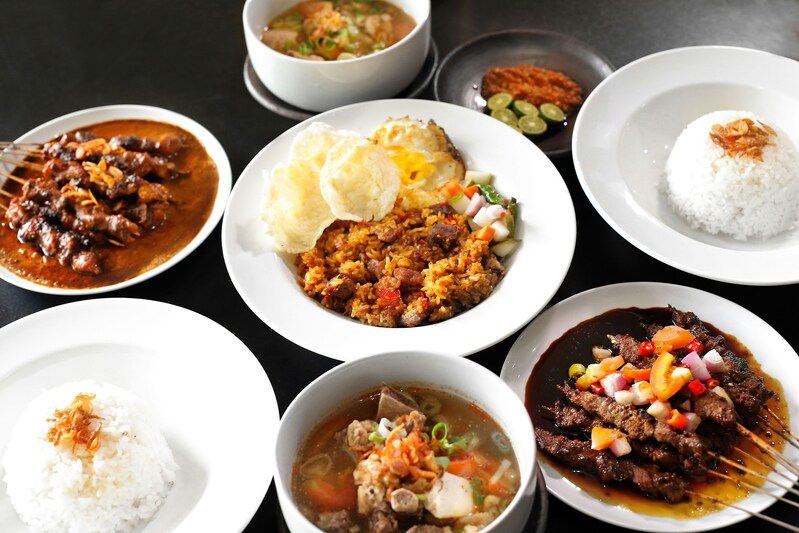
Specifically for Indonesia, the local dishes that have gained global recognition include rendang, nasi goreng, tempeh, satay, soto, bakso, and many more. This trend, therefore, presents strategic opportunities for hotels to differentiate themselves in the Indonesian market – for instance, by partnering with local restaurants or well-known street food vendors.
“Travellers are now more adventurous in exploring flavours, and are actively seeking destinations renowned for their rich culinary culture,” said Andrew Smith, Senior Vice President of Supply at Agoda, as quoted from the press on Tuesday, the 2nd of September.
Smith also added, “We encourage our hotel partners to tap into this trend by showcasing local eateries, collaborating with nearby restaurants, or offering specially curated culinary experiences for their guests.”
On its official website as well, Agoda also underscores that hotels can stand out by investing in on-property restaurants that showcase local flavours or offering signature dishes that reflect the region’s culinary heritage.
“Creating hyper-local culinary guides and exclusive food experiences that reflect guest preferences – whether through accommodating dietary needs, spotlighting trending cuisines, or recommending popular local restaurants or food stalls – can further elevate the guest journey”, wrote the digital travel platform.