




For expats and foreign travellers who stay longer or prefer to explore Yogyakarta at a measured pace, these lesser-known destinations provide a more nuanced experience.
Yogyakarta is widely recognised for its cultural landmarks. Borobudur, the Sultan’s Palace, and the busy stretch of Malioboro are often the first references when the city is mentioned abroad. These sites remain central to Yogyakarta’s identity and continue to attract visitors from around the world, particularly first-time travellers.
Yet Yogyakarta is more than its most photographed locations. Beyond the familiar routes, the region offers landscapes and neighbourhoods that reflect a slower, more grounded way of life. Hills open up to wide coastal views, caves reveal the geological history beneath the surface, and small creative spaces highlight the city’s contemporary culture.
Hence, these lesser-known destinations in Yogyakarta offer a more nuanced experience, as well as unique opportunities to engage with nature, local communities, and everyday rhythms that are often overlooked during short visits. Here, in no particular order, are ten hidden gems that reveal Yogyakarta beyond its headline attractions.
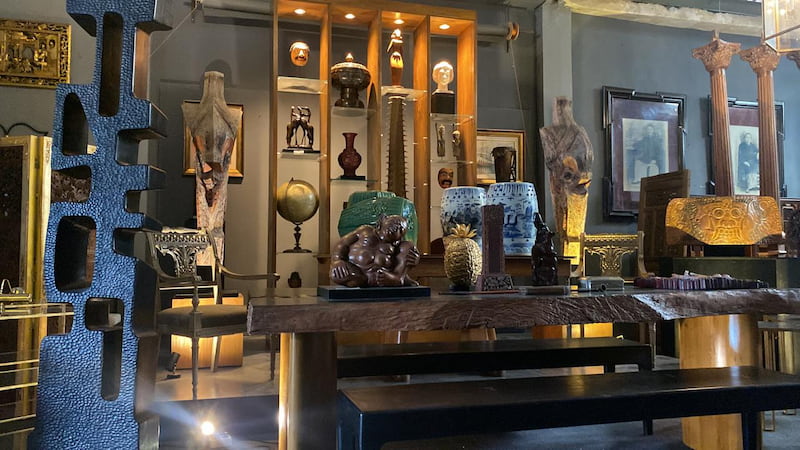
Paris Antique Gallery
Paris Antique Gallery is a hidden 300-square-meter showroom located in the villages south of Yogyakarta, just beyond Kasongan, and open by appointment only. Carefully curated on a single level, it showcases high-quality Indonesian antiques in a beautifully presented setting. Visitors will discover Javanese and Balinese antiques, 1930s design pieces, and colonial furniture. Prices range from very accessible to higher-end collector items. Do not hesitate to book an appointment with Rina. Instagram @paris_antiques_gallery
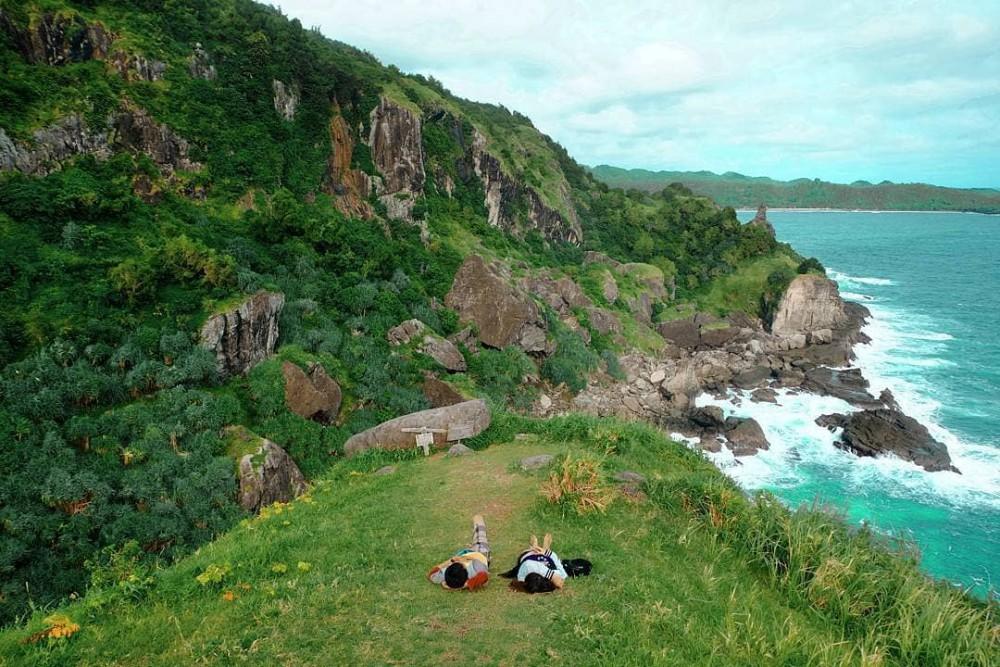
Pengilon Hill
Located in the eastern part of Gunungkidul, Pengilon Hill is known for its open grassland landscape overlooking the Indian Ocean. Unlike many coastal viewpoints in the region, the hill is covered in wide, gently sloping fields rather than sharp limestone formations. The hike to the top is relatively easy and suitable for visitors without extensive trekking experience. From the summit, several secluded beaches can be seen in the distance, including Wediombo and Siung. The absence of large structures or commercial facilities helps preserve its quiet atmosphere. Sunrise and sunset are the most popular times to visit, while camping is allowed for those seeking a longer stay close to nature.

Geoforest Watu Payung Turunan
Geoforest Watu Payung Turunan is located within a former teak forest in Panggang, Gunungkidul. The site takes its name from a distinctive rock formation resembling an umbrella, which has become a natural landmark in the area. Visitors come primarily for the elevated viewpoint overlooking the Sewu Mountains and the Oya River. In the early morning, mist often settles between the hills, creating cooler conditions and clearer visibility. Simple viewing platforms are available, but the area remains minimally developed, allowing the surrounding landscape to remain the main focus.

Timang Beach
Timang Beach sits along Yogyakarta’s southern coastline and is known for its dramatic natural features. Reaching the beach requires travelling along rocky and uneven paths, which helps keep visitor numbers relatively low. The coastline is divided into two contrasting sections: One area offers sandy shores and calmer waters, while another faces the full force of the Indian Ocean against cliffs. Timang’s traditional wooden gondola, once used by fishermen to reach a small offshore island, is still operational. Although brief, the crossing is known for its intensity and strong ocean currents below.
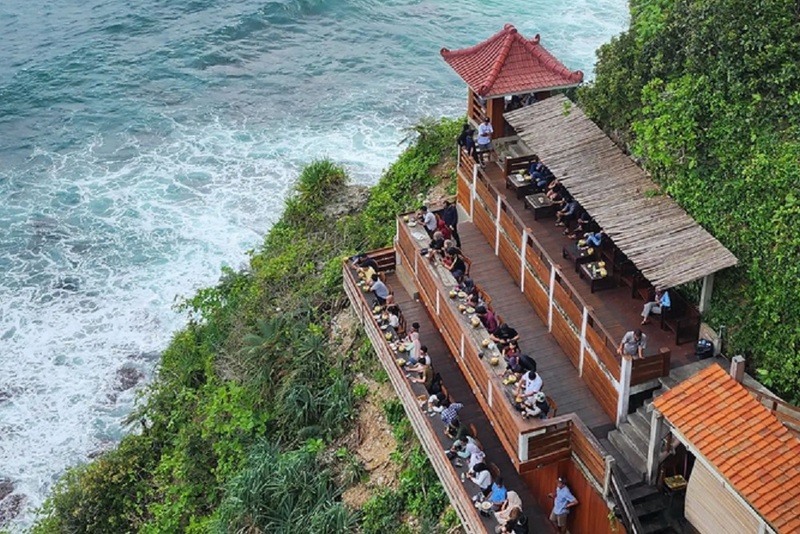
Segoro Peak
Segoro Peak is a cliffside destination overlooking the southern coast of Gunungkidul. Unlike more rugged viewpoints, it has been developed with visitors’ comfort in mind, offering seating areas, cafés and clearly marked walking paths. The location is particularly popular in the late afternoon when the temperatures drop and the light softens. Many visitors come simply to sit, enjoy the sea view, and spend time without a fixed schedule. The combination of accessibility and scenery, furthermore, makes it suitable for travellers of varying ages.
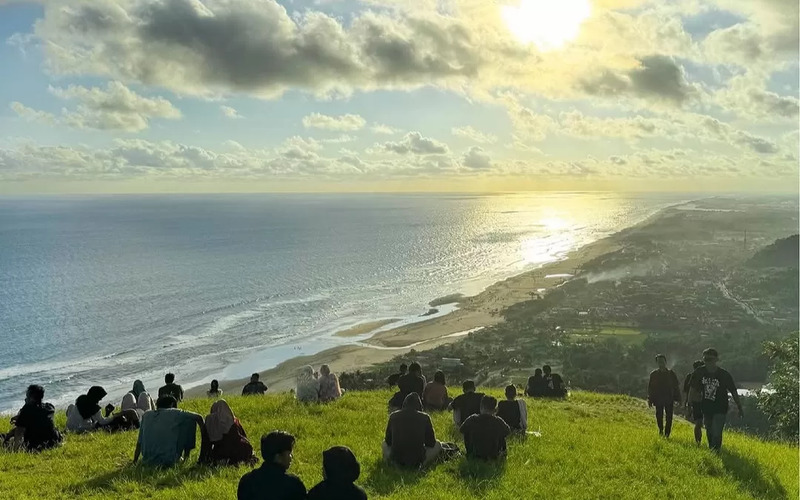
Paralayang Hill
Situated near Parangtritis Beach, Paralayang Hill functions both as a paragliding launch site and a scenic lookout. From the hilltop, visitors can see the Indian Ocean stretching across the horizon. Meanwhile, paragliding activities typically take place in the late afternoon, especially when wind conditions are at their most favourable. Even for those not participating in paragliding, the experience of watching paragliders rise and drift above the coastline adds to the appeal as well. The area is also a popular spot for photography, particularly during the day’s golden hour.
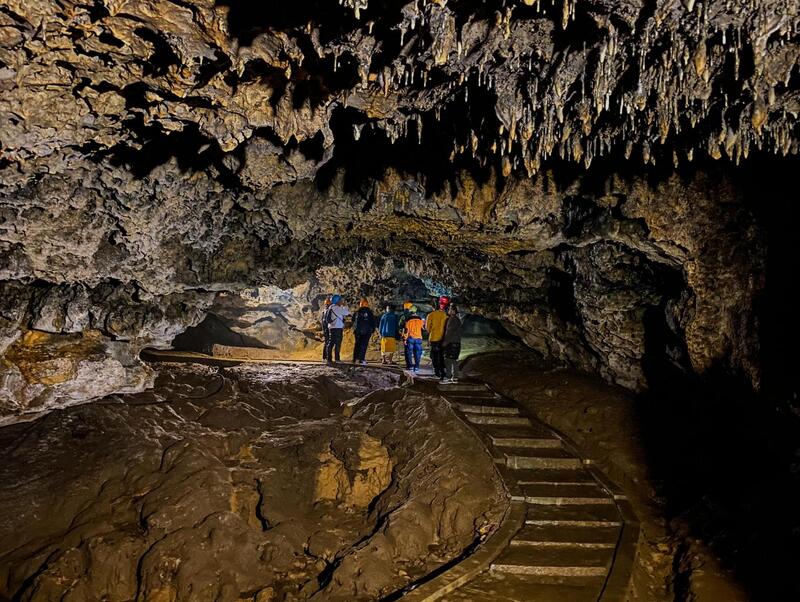
Kiskendo Cave
Kiskendo Cave is a limestone cave located in Kulon Progo Regency. Beyond its geological features, the cave holds cultural importance due to its connection with the Ramayana epic, particularly the story of Subali and Sugriwa. Inside the cave, visitors will find a series of chambers featuring natural rock formations and artwork reflecting the legend. The cooler temperature inside the cave provides relief from the heat outside as well. Surrounding the cave are several spiritual and meditation sites that continue to attract pilgrims, giving the area both cultural and reflective dimensions.
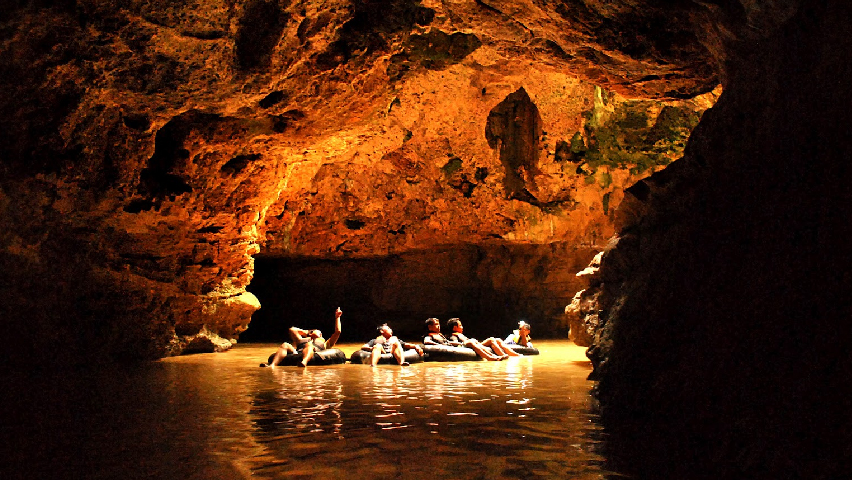
Pindul Cave
Pindul Cave is one of the most accessible cave attractions in Yogyakarta, and is well-known for its cave tubing activity. Visitors can float along an underground river using inflatable tubes, accompanied by trained guides. The cave’s wide passages allow sunlight to filter through openings above, illuminating stalactites and stalagmites formed over thousands of years. Early morning visits are recommended for those seeking a quieter experience.
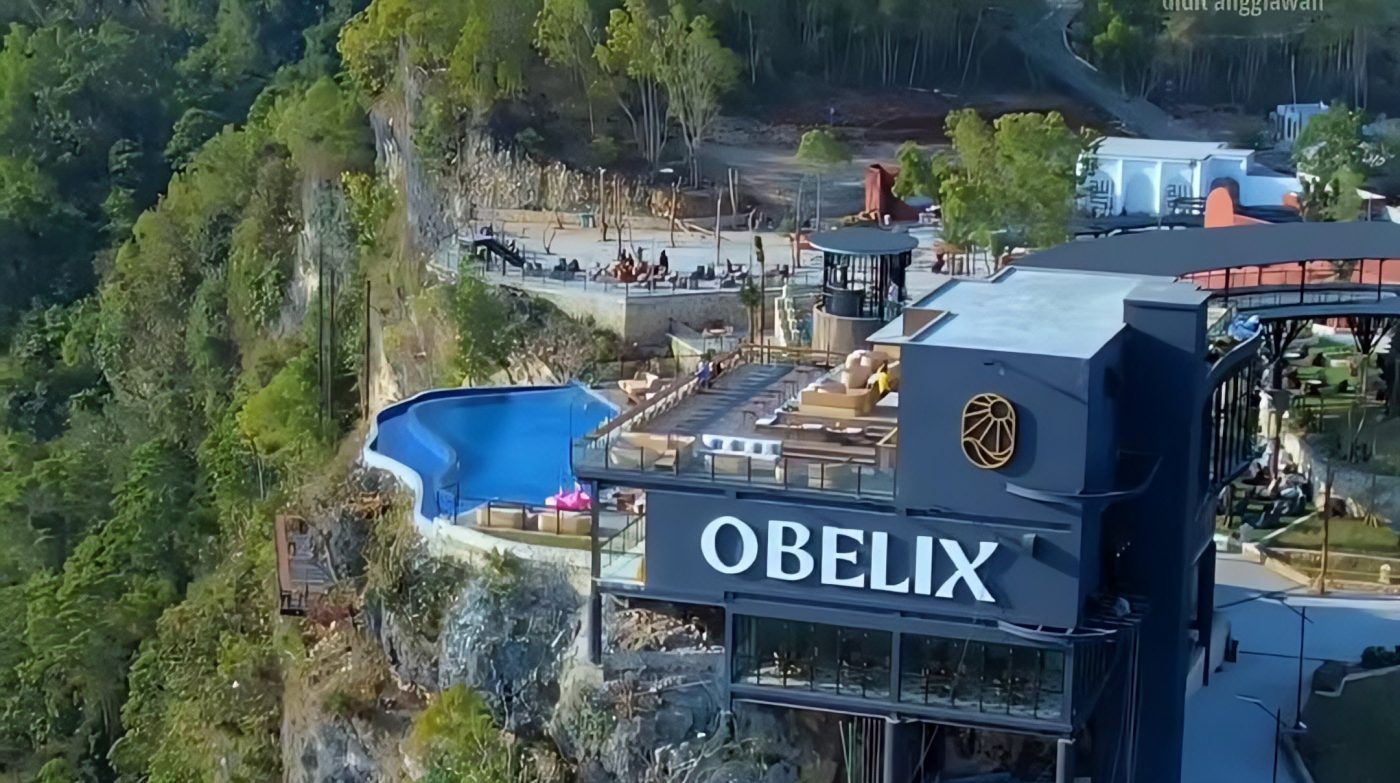
Obelix Sea View
Obelix Sea View is a leisure destination located in Purwosari, Gunungkidul. Designed as modern viewing and dining areas, it combines ocean views with facilities such as restaurants, lounge spaces and an infinity pool. The site has attracted visitors looking particularly for comfort as well as Instagrammable scenery. Afternoon visits are particularly popular, as sea breezes and softer light enhance the experience. While more developed than other locations on this list, Obelix Sea View remains focused on relaxation rather than high-energy activities.
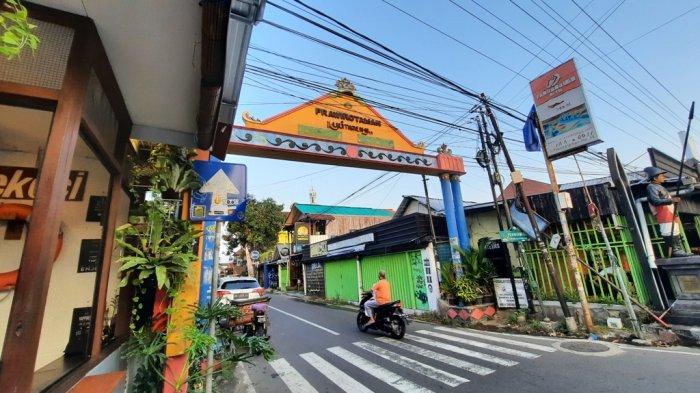
Prawirotaman
Prawirotaman is a local neighbourhood that has long been associated with Yogyakarta’s international community. The area offers a wide range of accommodation options, cafés, restaurants, and small bars that are particularly popular among expats and long-stay travellers. Compared to central tourist districts, Prawirotaman feels calmer and more residential. Many establishments blend Western convenience with local design, making it a practical base for foreign visitors who plan to stay for extended periods. Its walkable streets also encourage exploration at a slower pace.
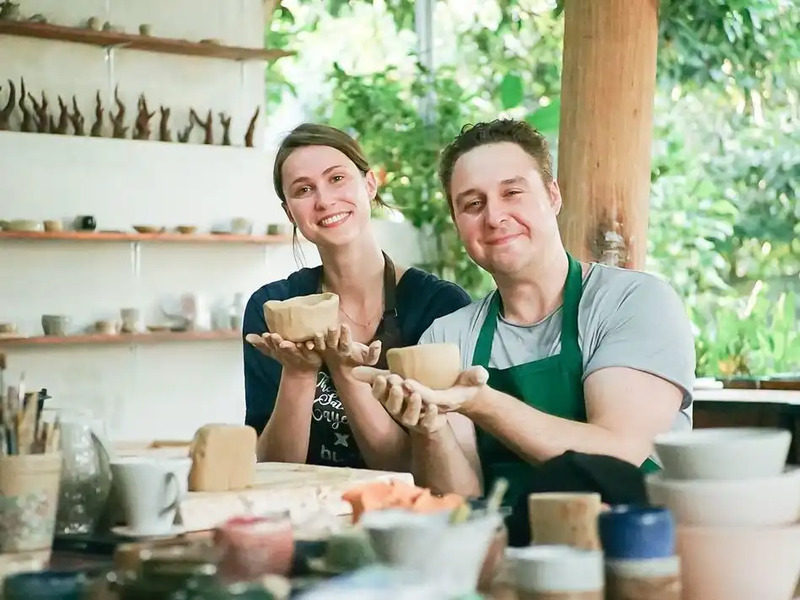
Buntari Pottery Studio
Buntari Pottery Studio provides hands-on ceramic workshops led by local artisans. Visitors are introduced to traditional and contemporary pottery techniques, including hand-building and wheel throwing. The workshops are suitable for beginners and focus on the creative process rather than speed. Moreover, participants can gain some insights into Yogyakarta’s craft culture and leave with a finished piece of their own. For many travellers, the experience particularly offers a meaningful connection to local artistic practices.