



Indonesia Expat had a chance to interview H.E. Tornike Nozadze, Ambassador Extraordinary and Plenipotentiary of Georgia to the Republic of Indonesia and Representative of Georgia to ASEAN.
In a conversation between Indonesia Expat and H.E. Tornike Nozadze, the latter shared his diplomatic approach, how he would describe Jakarta and Indonesia to his fellow Georgians, the interesting similarities between Georgia and Indonesia, the incredible relationship that both countries have developed together for the past 33 years, and much more.
Let’s start with your background. What can you tell us about yourself and your professional journey before becoming the Ambassador of Georgia to Indonesia and ASEAN?
My professional career has been closely associated with public service, international relations, and the advancement of Georgia’s foreign policy priorities. Throughout my career, I have had the opportunity to serve in various areas of government, including strategic communications, international cooperation, and diplomatic engagement.
Prior to my appointment as Ambassador of Georgia to Indonesia, I held several positions at the Ministry of Foreign Affairs of Georgia, including Head of the Strategic Communications Department, and served at the Embassy of Georgia in Finland. These experiences provided me with valuable insight into the complexities of international relations and reinforced the importance of effective communication and sustained diplomatic engagement.
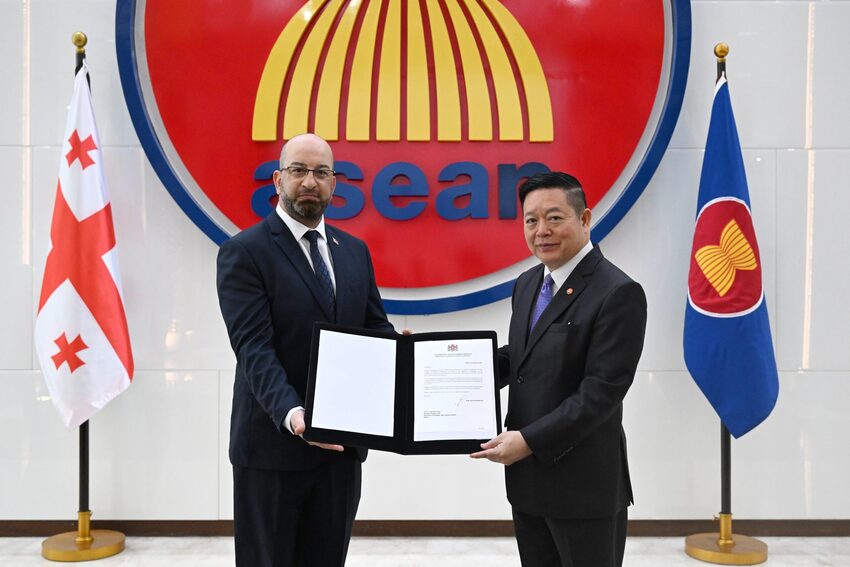
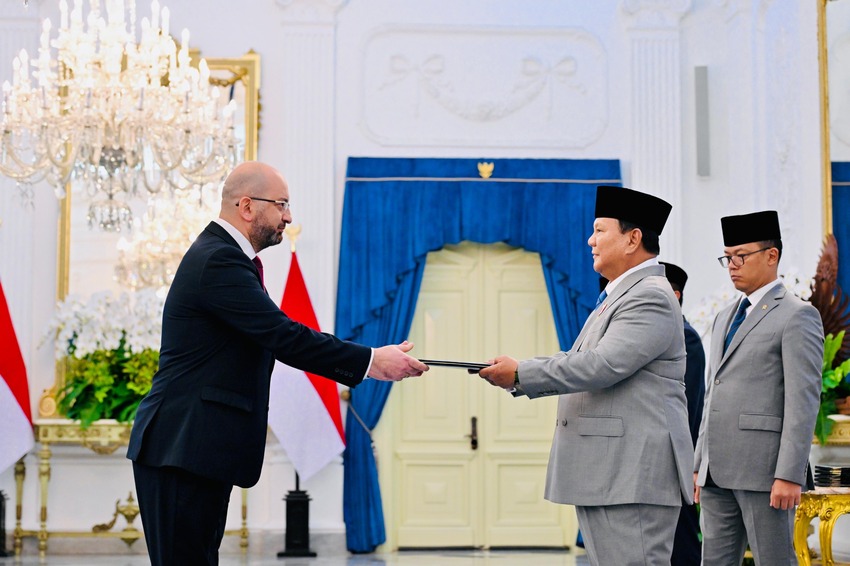
My professional engagement with Southeast Asia began in 2024, when I assumed the responsibilities of Chargé d’Affaires and Head of Georgia’s Mission to ASEAN in Jakarta. In August 2025, I was appointed Ambassador Extraordinary and Plenipotentiary of Georgia to the Republic of Indonesia and Representative of Georgia to ASEAN.
In my current capacity, I work to advance Georgia’s bilateral relations with Indonesia while strengthening our engagement with ASEAN and its member states. I consider this assignment an important part of Georgia’s broader efforts to diversify and deepen its international partnerships.
How would you describe your diplomatic approach as Ambassador of Georgia to Indonesia and ASEAN?
I would characterise my diplomatic approach as pragmatic, constructive, and results-oriented. I believe that effective diplomacy requires a clear understanding of national interests, respect for the priorities of partner countries, and a commitment to identifying areas of mutual benefit.
At the same time, diplomacy is fundamentally about building and maintaining relationships. Institutional frameworks and formal agreements are essential, but their effectiveness depends to a large extent on mutual trust, regular communication, and a willingness to engage in meaningful dialogue.
As Ambassador, I seek to ensure that Georgia is effectively represented and that our country’s priorities, interests, and potential are better understood in Indonesia and across Southeast Asia. This involves strengthening political dialogue, promoting trade and investment, fostering people-to-people contacts, and identifying opportunities for cooperation in education, tourism, and culture.
I also believe it is important to maintain a forward-looking perspective. Diplomatic relations should not be confined to established areas of cooperation; they should continue to evolve in response to emerging opportunities and changing international circumstances. My objective is therefore to build on the existing foundations of Georgia’s relations with Indonesia and ASEAN while pursuing practical initiatives that can deliver tangible, long-term benefits.
How would you describe Jakarta to Georgians who are new to the city, and what has been your impression of Indonesian people?
Jakarta is a major political, economic, and cultural centre that reflects Indonesia’s dynamism and diversity. It is a city of contrasts, combining modern infrastructure and a rapidly developing business environment with deeply rooted traditions and a strong sense of community.
For Georgians arriving in Jakarta, the city offers an opportunity to discover a society whose cultural and social characteristics are distinctive, yet share certain values and traditions familiar to us. I would encourage Georgians to approach the city with an open mind, take an interest in its cultural life, and explore the wide range of experiences it has to offer.
One of my most positive impressions of Indonesia has been the hospitality, courtesy, and openness of its people. I have come to appreciate the importance Indonesians attach to respect for others, family values, and maintaining harmonious social relationships.
Indonesia is an exceptionally diverse country, with a rich variety of regional traditions, languages, and cultural practices. Understanding and appreciating this diversity is essential to gaining a deeper understanding of the country and its people.
For a diplomat, this understanding is particularly important. Building effective bilateral relations requires not only an awareness of political and economic developments, but also an appreciation of the society, values, and cultural context in which those relations develop.
Georgia and Indonesia are geographically distant but share similarities in cuisine, hospitality, and friendliness. What do you consider their greatest similarity?
In my view, one of the most significant similarities between Georgia and Indonesia lies in the importance both societies attach to hospitality and interpersonal relationships.
In Georgia, hospitality is a deeply rooted cultural tradition. Welcoming guests, sharing food, and bringing people together around the table are integral parts of Georgian social life. The traditional Georgian supra, or feast, represents far more than a culinary experience; it is an expression of friendship, respect, and community.
During my time in Indonesia, I have observed a similar appreciation for hospitality and togetherness. Meals and social gatherings provide valuable opportunities to strengthen relationships, exchange ideas, and build personal connections.
Our culinary traditions also offer interesting points of comparison. Both countries have distinctive cuisines shaped by their histories, geography, and cultural influences. Herbs, spices, and traditional cooking methods play an important role in both, while food remains closely connected to family life and social occasions.
Beyond these similarities, I believe both countries place considerable importance on preserving their cultural identities and traditions. Georgia and Indonesia have distinct historical experiences and cultural heritages, yet both recognise the value of safeguarding these traditions while remaining open to international engagement.
These shared values provide a strong foundation for closer relations between our countries. They demonstrate that geographical distance need not be a barrier to mutual understanding, friendship, and cooperation.
The November issue focuses on lifestyle. What are your interests outside diplomacy, and has any particular hobby recently attracted your attention?
Outside my professional responsibilities, I have a particular interest in golf. It offers an opportunity to spend time outdoors while engaging in an activity that requires concentration, discipline, patience, and consistency.
What I particularly appreciate about golf is that it presents a mental challenge as much as a physical one. Improvement requires regular practice, careful assessment, and the ability to remain focused. Although golf and diplomacy are very different in nature, qualities such as patience, discipline, and consistency are valuable in both professional and personal life.
Living in Indonesia has also given me the opportunity to explore the country’s cultural and natural diversity. Discovering local traditions, visiting different destinations, and gaining a deeper understanding of Indonesian society have all been valuable aspects of my experience here.
I believe that maintaining interests outside one’s professional responsibilities is important for a balanced lifestyle. Such activities broaden one’s perspective, provide an opportunity to recharge, and help maintain a fresh outlook on professional responsibilities.
Given the demands of diplomacy and the pace of life in Jakarta, how do you recharge? What does quality time mean to you?
Diplomatic responsibilities often involve a demanding schedule of official meetings, representational events, consultations, and ongoing communication with counterparts and institutions. Maintaining a balance between professional commitments and personal time is therefore important.
For me, quality time means being able to focus fully on an activity without the constant demands of a professional schedule. I also value opportunities to explore Indonesia and learn more about its cultural and natural heritage. These experiences are personally enriching and contribute to a deeper understanding of the country in which I serve.
Ultimately, I believe that maintaining a healthy balance is essential to professional effectiveness. Taking time to recharge helps preserve clarity of thought, sound judgement, and the energy and commitment required to fulfil one’s responsibilities effectively.
Georgia and Indonesia mark 33 years of diplomatic relations in 2026. How would you assess the current state of bilateral relations, and what are your priorities for their further development?
Georgia and Indonesia established diplomatic relations on the 25th of January, 1993. Over the past 33 years, our countries have developed a relationship grounded in mutual respect and a shared commitment to expanding bilateral cooperation.
I consider the current state of our relations constructive, with considerable potential for further development. Indonesia is an important regional actor and a key member of ASEAN, while Georgia occupies a strategically significant position at the crossroads of Europe and Asia. These respective positions offer opportunities to strengthen cooperation in trade, connectivity, tourism, and other areas of mutual interest.
My priorities as Ambassador are to strengthen political dialogue, expand economic and commercial relations, promote tourism, and encourage cooperation in education and culture. I also attach particular importance to advancing Georgia’s engagement with ASEAN and deepening our understanding of regional developments.
Economic cooperation deserves special attention. There is considerable scope to raise awareness of the opportunities available in our respective markets, facilitate contacts between business communities, and identify areas for trade and investment. Stronger private-sector engagement would help translate the existing political goodwill into tangible economic outcomes.
Tourism is another promising area for cooperation. Georgia offers a distinctive combination of cultural heritage, mountain landscapes, a Black Sea coastline, rich cuisine, and a long-standing winemaking tradition. Indonesia, with its remarkable geographical and cultural diversity, also offers significant opportunities for tourism development and exchange.
Education and cultural diplomacy can further strengthen our bilateral ties by fostering direct interaction between our societies. Academic exchanges, cultural initiatives, and professional contacts can help build mutual understanding and lay the foundations for a deeper and more sustainable partnership.
Our objective should be to build on the achievements of the past 33 years while developing a more substantive and diversified framework for future cooperation, reflecting the interests and potential of both countries.
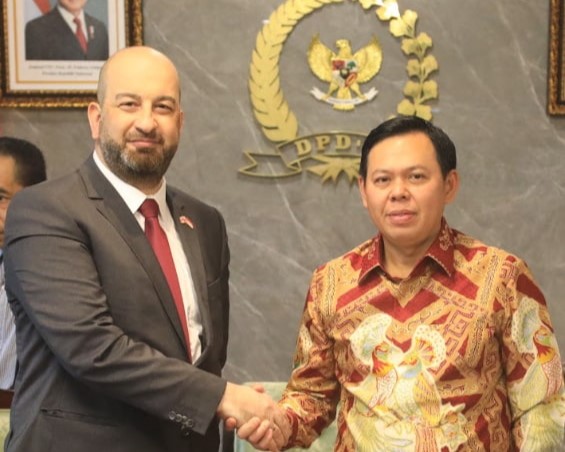
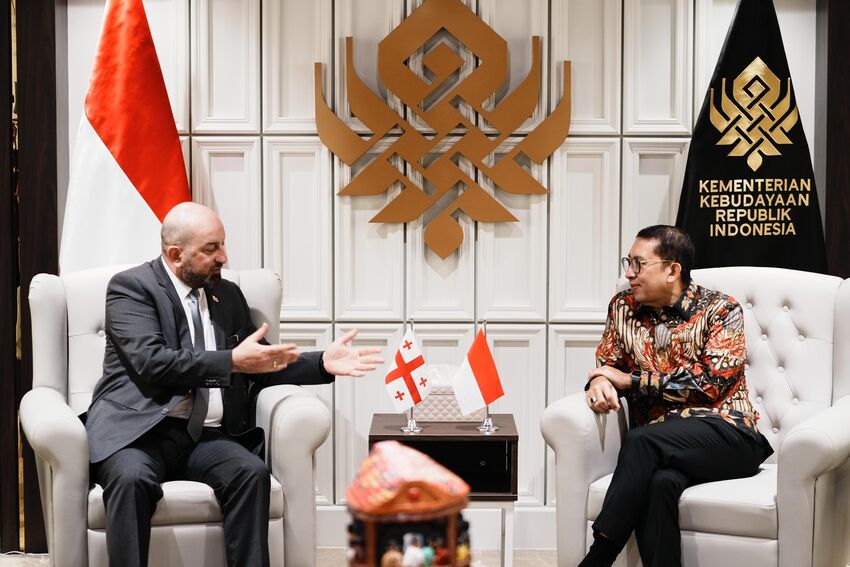
In October, you met with representatives of the House of Representatives of the Republic of Indonesia (Dewan Perwakilan Rakyat Republik Indonesia or DPR RI) to discuss trade, tourism, and education. Could you elaborate on the meeting?
My meeting at the Indonesian House of Representatives on the 8th of October provided an opportunity to exchange views on the further development of relations between Georgia and Indonesia, with particular attention to trade, tourism, and education. I met with Mr. Muhammad Husein Fadlulloh, Vice Chair of the Committee for Inter-Parliamentary Cooperation (Badan Kerja Sama Antar Parlemen or BKSAP).
I attach considerable importance to parliamentary diplomacy as a complementary channel of international engagement. Relations between legislative institutions can contribute to mutual understanding, facilitate the exchange of experience, and support cooperation in areas of direct relevance to our societies.
The issues discussed are among the areas in which Georgia and Indonesia have the potential to achieve further progress. In trade, the priority is to improve awareness of market opportunities and encourage contacts between businesses. In tourism, greater visibility and connectivity can help promote travel in both directions. In education, institutional contacts and exchanges can contribute to the development of long-term links between our countries.
Meetings of this nature are also valuable in identifying areas where continued institutional dialogue could support practical initiatives. While the development of bilateral cooperation requires the involvement of several relevant institutions and stakeholders, parliamentary engagement can provide an important contribution to this process.
I view the meeting as part of our broader efforts to maintain regular dialogue with Indonesian institutions and to identify concrete opportunities for strengthening bilateral relations.
In September 2025, the Embassy announced the possibility of establishing an honorary Georgian consulate in Bali, an initiative that received support from Governor Wayan Koster. Is this still being pursued, and what opportunities do you see for cultural cooperation between Georgia and Bali?
Bali is an important centre of international tourism and cultural exchange, distinguished by its rich cultural heritage and extensive international connections. The positive response to the proposal to establish an honorary consulate of Georgia in Bali was encouraging and reflects our interest in expanding Georgia’s engagement beyond Jakarta.
An honorary consulate could play a valuable role in promoting Georgia’s interests, facilitating contacts with local authorities and the business community, and supporting the development of economic, tourism, and cultural relations. Its establishment would, of course, be subject to the relevant procedures and the identification of a suitable candidate.
Beyond the proposed institutional arrangements, I see considerable potential for closer engagement between Georgia and Bali. Both are recognised for their cultural heritage and traditions of hospitality, offering distinctive experiences to visitors interested in history, cuisine, the arts, and local traditions.
The Embassy is interested in exploring opportunities to promote Georgian culture through cultural presentations, culinary events, exhibitions, and tourism initiatives. Cooperation with local institutions, universities, cultural organisations, and tourism stakeholders could help establish a more sustained framework for cultural exchange.
There is also considerable scope to raise awareness of Georgia among Indonesian travellers while introducing Georgian audiences to the cultural richness of Bali and Indonesia more broadly.
I believe cultural diplomacy is most effective when it creates opportunities for direct engagement between people and institutions. Our aim should therefore be to develop initiatives that go beyond individual events and contribute to lasting mutual understanding and stronger ties between Georgia and Indonesia.
Finally, how can readers get in touch with you and the Embassy of Georgia in Jakarta?
The Embassy of Georgia welcomes engagement with Indonesian citizens, members of the diplomatic community, businesses, educational institutions, cultural organisations, and all those interested in Georgia.
Our work focuses on strengthening bilateral political and economic relations, promoting Georgia’s tourism and cultural potential, and fostering closer ties between our societies. We welcome constructive proposals and opportunities for cooperation in these and other areas of mutual interest.
Embassy of Georgia to the Republic of Indonesia
- Call: +62 21 2941 0842
- Email: jakarta.emb@mfa.gov.ge
- Website: https://indonesia.mfa.gov.ge