




When people think of global gastronomy destinations, countries like Japan, Italy, or Peru often come to mind.
Yet quietly and steadily, Indonesia is emerging as one of the most compelling culinary destinations in the world—not only because of its rich flavours, but also because of something far deeper: extraordinary diversity shaped by landscape, culture, and biodiversity.
With more than 17,000 islands and over 1,000 ethnic groups, Indonesia may be one of the most culturally and culinarily diverse nations on Earth. Each community has developed its own food traditions shaped by geography, climate, belief systems, and local resources. In many ways, there is no single ‘Indonesian food‘—only a rich mosaic of regional cuisines. What is often labelled Indonesian cuisine is, in reality, a collection of distinct culinary traditions from Aceh to Papua.
Indonesia offers something rare in the world of gastronomy: a culinary universe where there is always something for everyone.
A Culinary Diversity Like No Other
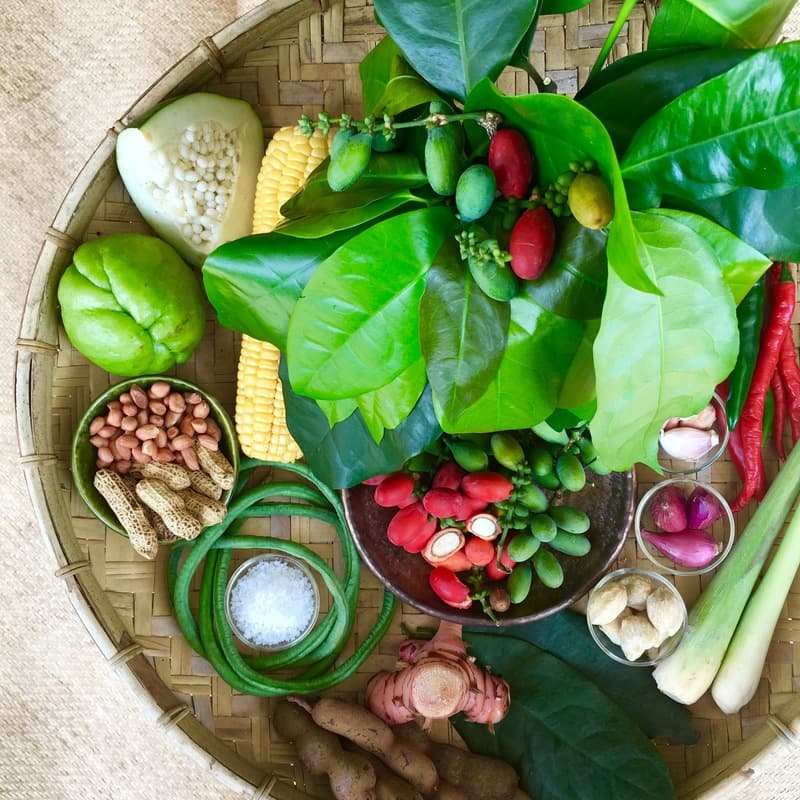
From the spice-rich dishes of Sumatra to the herb-driven cuisine of Bali, from sago-based foods in eastern Indonesia to corn and sorghum traditions in Nusa Tenggara, Indonesia’s culinary diversity reflects centuries of adaptation and cultural exchange.
Travelling across Indonesia often feels like moving between entirely different culinary worlds. Coconut milk–based curries dominate in one region, while fermented foods, grilled seafood, or vegetable-forward dishes define another. Even staple foods vary widely—rice in many areas, but also sago, cassava, corn, millet, and indigenous grains in others. Today, many of these non-rice staples are increasingly marginalised, surviving mainly in remote communities and niche culinary experiences.
This diversity naturally accommodates a wide range of preferences. Whether one prefers bold spices or subtle flavours, meat-based dishes or plant-forward meals, Indonesia offers an ever-evolving culinary journey rooted in local identity.
Gastronomy Experience for All
One of Indonesia’s strengths is how easily people from different culinary backgrounds can find familiar flavour profiles while still discovering something new.
Those who enjoy Indian cuisine may feel at home with the spice-rich dishes of Aceh and West Sumatra, where slow-cooked curries and coconut-based gravies echo familiar comfort.
For those who appreciate Thai cuisine, the balance of sweet, sour, spicy, and aromatic notes can often be found in Palembang and Balinese dishes, shaped by fresh herbs and vibrant sambal.
Meanwhile, those who enjoy Mexican cuisine may find surprising parallels in Manado food from North Sulawesi, which is known for bold flavours, acidity, and liberal use of chillies.
Further east, Papua offers another fascinating culinary connection. Many Papuan dishes share ingredients and cooking techniques with the broader Melanesian region, including sago, root crops, leafy greens, and traditional earth-oven cooking.
Indonesia becomes a culinary bridge—allowing visitors to explore new regional foods while still finding flavours that resonate with their preferences.
A Naturally Inclusive Food Culture
One of the most remarkable aspects of Indonesian cuisine is how naturally inclusive it is—long before global dietary trends emerged. Plant-based cooking, for instance, has long been embedded in everyday food culture.
Across the archipelago, vegetables, legumes, tubers, and plant-based proteins play central roles. Tempeh, one of Indonesia’s most celebrated culinary contributions, has been consumed in Java for centuries as an affordable and nutritious protein source.
Beyond soy-based foods, dishes such as urap, gado-gado, pecel, and regional vegetable curries highlight Indonesia’s plant-forward traditions. In eastern Indonesia, indigenous legumes, leafy greens, and foraged vegetables have long supported diverse diets.
For vegetarian and vegan expatriates, Indonesia can therefore be an unexpectedly welcoming culinary destination—not because menus are designed specifically for them, but because plant-based eating has always been part of everyday life.
Biodiversity as a Gastronomic Advantage
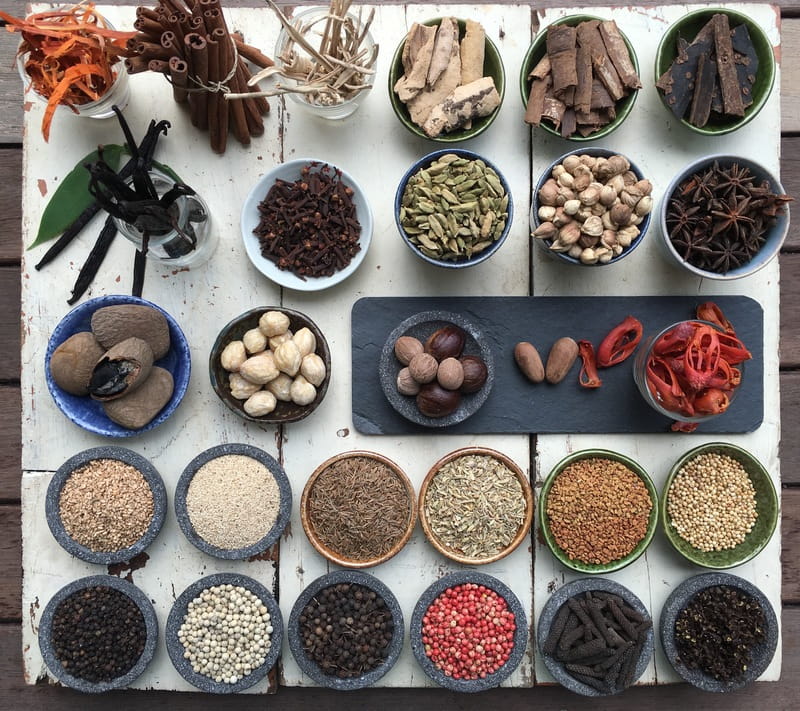
Indonesia is one of the world’s mega-biodiversity countries, and this ecological richness directly shapes its gastronomy. Thousands of edible plants, herbs, spices, and traditional crops contribute to an extraordinary range of flavours.
Wild forest honey varies by region. Indigenous rice varieties range from red and black rice to fragrant heirloom grains. Palm sugars from different species offer distinct flavour profiles.
In some regions, communities continue cultivating climate-resilient crops such as sorghum, millet, and traditional tubers—ingredients that are now gaining global attention for their sustainability as well as nutrition.
A Living Culinary Heritage
Indonesia’s gastronomy remains very much alive. Across villages and emerging culinary hubs, traditional knowledge continues to be practised and passed down through generations.
At the same time, a new generation of chefs and food entrepreneurs is rediscovering traditional ingredients and presenting them in contemporary ways. Many modern gastronomy trends—such as edible flowers, fermented foods, waste-free menus, and healthier cooking techniques—have long existed within Indonesian culinary traditions, often under different names.
The Next Great Gastronomy Destination
Indonesia’s strength as a gastronomy destination lies in its diversity, inclusivity, and biodiversity. With over 1,000 ethnicities contributing to a vast culinary tapestry, Indonesia offers endless possibilities for every palate.
What is particularly exciting is the growing momentum within the food and hospitality industry. Over the past decade, restaurants and hotels have increasingly showcased regional Indonesian flavours that were once rarely found beyond their place of origin. Chefs who once took pride in mastering French or Italian cuisine are now rediscovering local ingredients and traditions, bringing Indonesia’s culinary heritage to the forefront.
Today, exploring Indonesia’s culinary diversity no longer requires travelling to remote regions. From Jakarta to Bali and beyond, diners can experience curated journeys across the archipelago—reflecting a renewed confidence in Indonesia’s culinary identity.
As global travellers increasingly seek authentic and meaningful food experiences, Indonesia stands ready. With living culinary traditions, extraordinary biodiversity, and growing culinary innovation, Indonesia is poised to become one of the world’s next great gastronomy destinations.
Indonesia may already be known for its landscapes and cultures—but its greatest discovery may well be on the plate.
By Helianti Hilman, Food Biodiversity Entrepreneur and Advocate.