



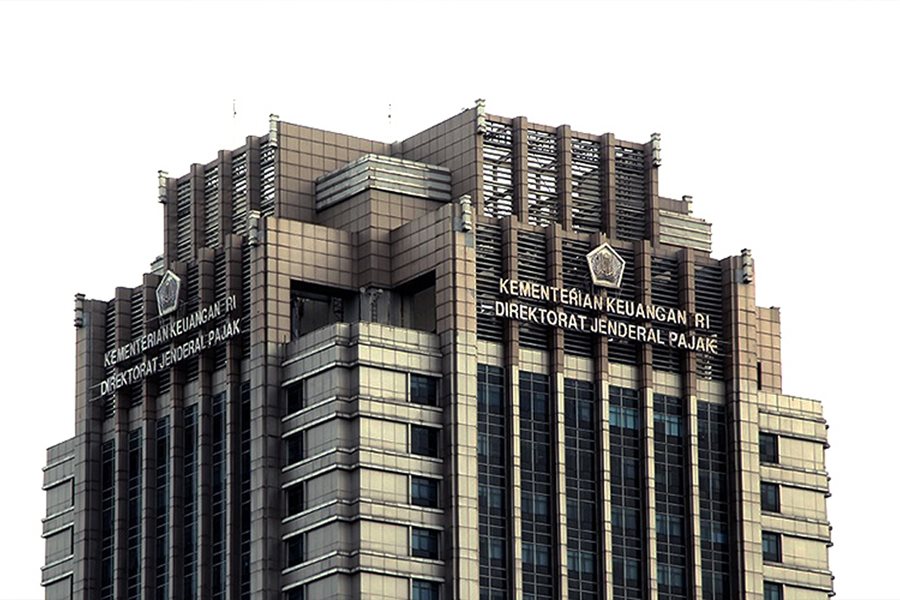
The Minister of Finance of the Republic of Indonesia, Purbaya Yudhi Sadewa, has signed a new regulation that expands the scope of financial information reporting within the digital economy.
Under Minister of Finance Regulation (Peraturan Menteri Keuangan or PMK) No. 108 of 2025, payment service providers and e-wallet operators are formally included in the financial information reporting framework to the Directorate General of Taxes (DGT), effective from the 1st of January, 2026.
The regulation classifies payment service providers, both banks and non-bank institutions, as Depository Institutions if they manage certain e-money products or central bank digital currencies. As a result, digital financial assets, including e-wallet balances and crypto assets, may be accessed for tax purposes. This provision is in line with updates to the Common Reporting Standard (CRS) issued by the Organisation for Economic Co-operation and Development (OECD), which now recognises certain e-money products and central bank digital currencies as financial accounts.
The regulation also stipulates that the Directorate General of Taxes may obtain access to financial information related to crypto assets facilitated by exchanges or reporting crypto service providers, in accordance with the Crypto-Asset Reporting Framework (CARF).
“The Director General of Taxes is authorised to obtain access to financial information for tax purposes from Financial Institutions and CARF-Reporting Taxpayers,” states Article 2, paragraph (1) of the regulation.
In addition, Article 18, paragraph (1) of the regulation requires crypto asset service providers to submit reports on the use of crypto assets.
“A CARF-Reporting Taxpayer refers to another CARF entity and/or an individual who, in the course of their business activities, provides services that facilitate exchange or transfer transactions, either for or on behalf of customers, including by acting as a counterparty or intermediary in such transactions, or by operating a trading platform,” as defined in Article 1, point 39 of the PMK.
CARF-Reporting Taxpayers are required to report user identity details, including full name, most recent address, country of residence, identification number, date of birth, and the identity of the controlling person. CARF reporting will cover transactions involving exchanges between crypto assets and fiat currencies, exchanges between different crypto assets, retail payment transactions using crypto assets, and transfers of crypto assets. The CARF framework will be implemented in 2027, with data collection covering the full 2026 financial year.