



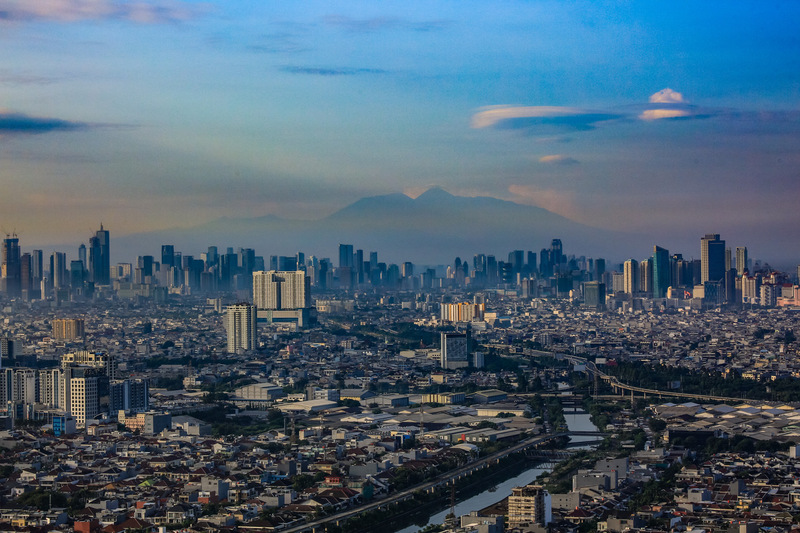
For expats in Indonesia, the month of January should become less about reinvention and more about realignment. It is an opportunity to reflect honestly on how we are living—not just where.
January, after all, is typically a month of cliched, new-year-resolution ideas, though it may still invite some brutally honest thoughts. After the noise of celebrations dies down, many of us—especially expats—find ourselves quietly thinking of the years—or, at least, the months—ahead. Those thoughts, however, may not come through dramatic resolutions. Instead, it may come through reflective questions like “Am I truly settled?” or “Am I at ease here?” or “Am I merely getting by?“
For expats in Indonesia, these questions often surface after the honeymoon period ends.
In the beginning, everything feels intoxicating—the warmth of the people, the sensory overload of food and drinks in malls or bars, the friendliness of strangers during trips to Bali or Bandung, and the thrill of discovering places that feel wonderfully unfamiliar. In those early months, inconveniences are easily forgiven. Even Jakarta’s macet—the city’s infamous traffic congestion—feels like a ‘part of its charm’. Language barriers are ‘fun challenges’ (including pronouncing the Gs in “dr. Gigi“ as the letter in the word “gem“, later realising that it’s not the name of a doctor!) and cultural misunderstandings become stories to laugh about later.
Then, almost imperceptibly, something shifts.
The charm, eventually, wears thinner. The macet feels draining rather than amusing. Conversations feel limited by vocabulary. Everyday tasks—ordering food, scheduling appointments, and understanding unspoken social rules—begin to demand more mental energy than we realised we were spending. Many expats struggle at this stage, though few speak about it openly. It is often mistaken for dissatisfaction with Indonesia itself, when, in reality, it is the weight of living between cultures.

Cultural immersion as ‘self-care’
Cultural adjustment is commonly discussed in practical terms—learning Bahasa Indonesia, understanding etiquette, and knowing what is culturally acceptable and what is not. Yet beneath the surface, it is deeply psychological. Living in another culture requires constant translation that touches on not only language, but also behaviour, tone, intention, and emotion.
At some point, resistance tends to appear. It shows up quietly, often at the dinner table. The dishes that once felt adventurous—nasi goreng at midnight, rendang that lingered on the tongue, sambal that felt like a dare—start to feel repetitive rather than exciting. The novelty wears off, and with it comes resistance to other things too: indirect ways of communicating, slower processes, shifting expectations, or social obligations that feel vague and draining.
When that resistance settles in, daily life begins to feel heavier as well. Comparisons sneak in—thoughts like “Back home, this would be simpler”—and curiosity slowly gives way to frustration.
This is where wellbeing, as well as wellness, enters the conversation in a way that is rarely acknowledged. Cultural immersion is not simply about fitting in. It is, for an expat’s wellbeing, an act of self-care.
Wellbeing, in this context, begins with a shift from resistance to acceptance. It is the realisation that Indonesia does not need to resemble home to feel like home. Discomfort, rather than signalling failure, often marks the point where deeper integration begins.
Language plays a particularly powerful role in this process. Many expats rely on English, translation apps, or the kindness of others to get by. For a time, this works. However, language is more than a tool for communication; it is a gateway to connection. Making the effort to speak Bahasa Indonesia—even imperfectly—changes the quality of daily interactions. Conversations soften. Humour becomes accessible. Exchanges become human rather than transactional.
For expats with local partners, cultural immersion becomes even more significant. Many tensions in cross-cultural relationships are not rooted in personality differences, but in unspoken cultural expectations—around family, communication, conflict, and responsibility. Without awareness, these differences can quietly erode connection.
Cultural adjustment is often described in practical terms, like picking up Bahasa Indonesia, learning when to use “pak” or “bu”, and knowing when a smile says more than words. Yet much of the adjustment happens quietly, beneath the surface. Living in another culture means paying closer attention—listening for tone, reading the room, and noticing when a conversation pauses rather than pushes forward.
Small adjustments, rewarding results
Even the most ordinary aspects of daily life can quietly shape wellbeing.
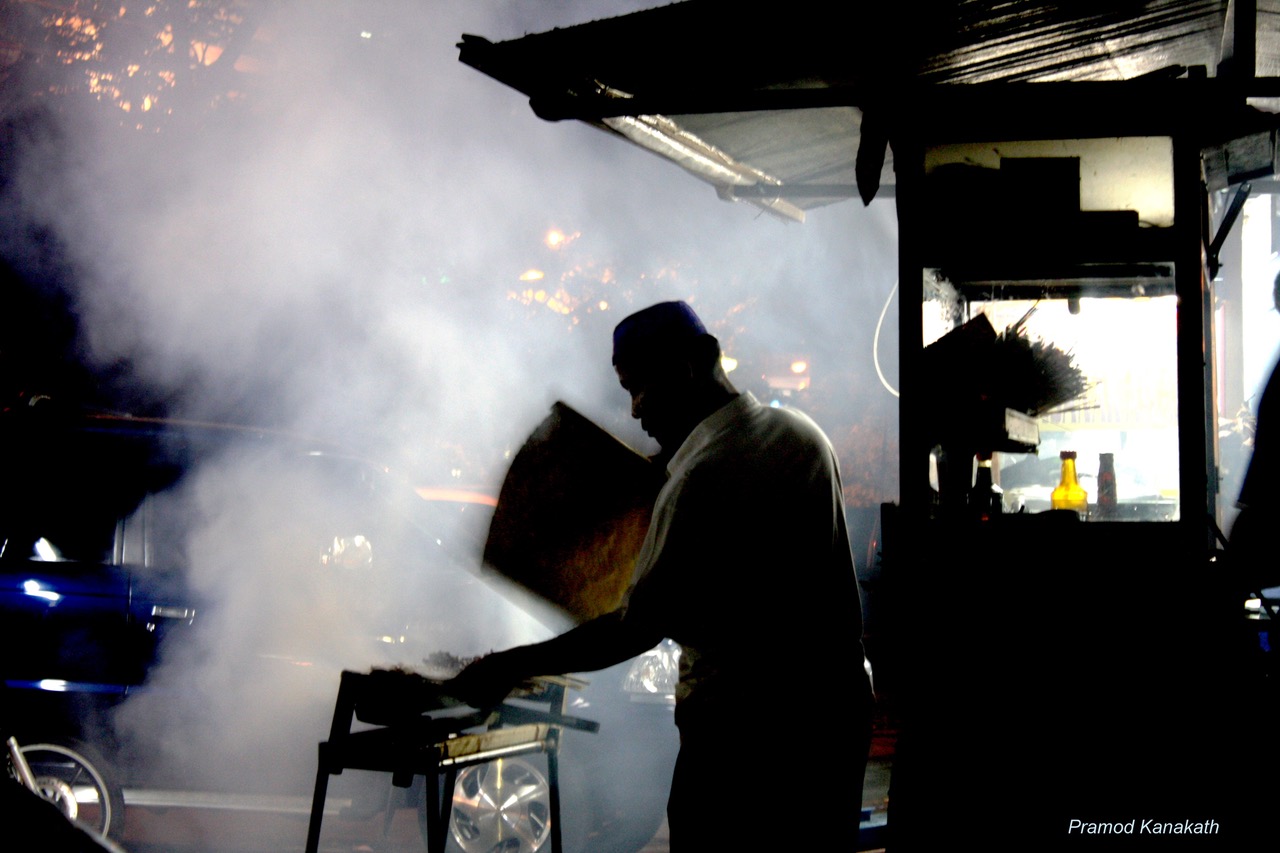
It begins with small adjustments, such as allowing extra time for a trip that might pause behind a procession or a sudden downpour, learning to plan errands around traffic rather than against it, or settling into a simple lunch of mie bakso or nasi ayam at a nearby warung instead of searching for something familiar.
Such small adjustments, moreover, can continue with listening to the body—slowing down during the midday heat, welcoming an afternoon coffee break, or choosing an earlier evening when the day has been long.
January, hence, should become less about reinvention and more about realignment. It is an opportunity to reflect honestly on how we are living—not just where. Are we, as expats currently based in Indonesia, participating fully or simply observing from the edges? Are we merely here to survive? Or, should we slowly learn how to belong?
Cultural immersion does not happen quickly. It unfolds in instalments, often uncomfortably, and with ups and downs. That said, when approached with intention, cultural immersion can become one of the most rewarding aspects of expat life.
All images are courtesy of Pramod Kanakath.