


Contributing writer and expatriate Pramod Kanakath reminisces about his experience celebrating New Year’s Eve in Yogyakarta, Indonesia, for the first time.
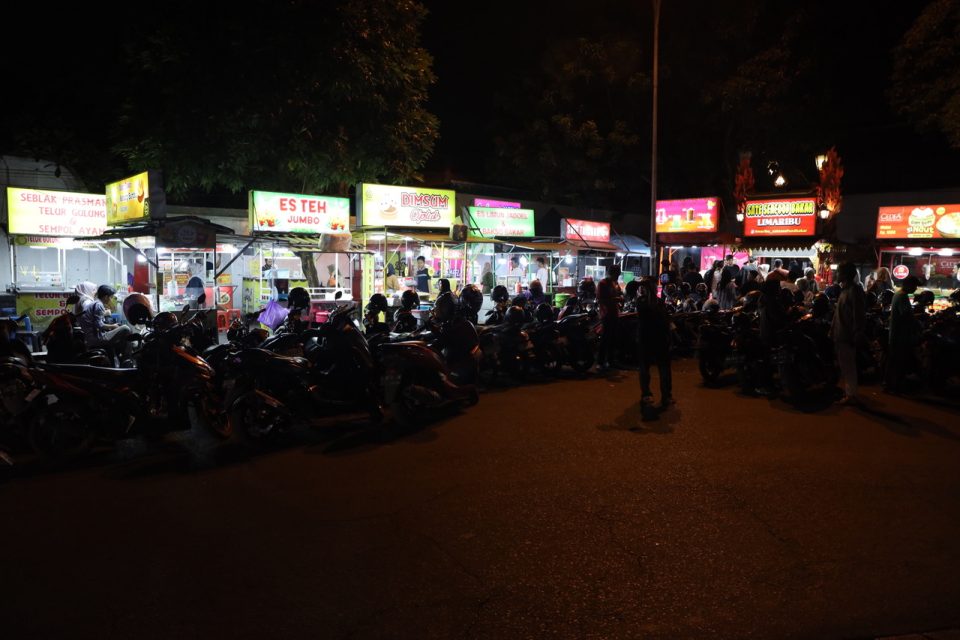
Back in 2010, I was in my fifth year in Indonesia, hoping to get away with a dinner at a hotel or a night out at one of the city’s clubs for New Year’s Eve (NYE). As an expat, NYE typically belongs in air-conditioned spaces with curated playlists and overpriced buffets — at least until you see the world under the sky. Thanks to a group of local friends, I found myself somewhere wildly different: standing in the middle of a town square-like place called Alun-Alun Kidul, surrounded by strangers, street food smoke, neon lights, and the unmistakable cacophony of vuvuzelas.
Until today, it remains the most honest and memorable NYE celebration of my life.
I arrived there with three friends who insisted that Yogyakarta’s vibes are a notch above Jakarta’s. If you want the real Yogyakarta, you must celebrate NYE at the alun-alun. That was the promise. So, that evening, just as the sky was shifting from gold to a softer, evening blue, I met Adi, Rini, and Bayu near the southern gate. They were all incredibly excited — Adi had even brought a mat rolled under one arm while Bayu was carrying what looked like a plastic bag filled with paper and plastic-made crowns, hats, and bandanas.
Alun-Alun Kidul, or sometimes known in English as ‘Kidul Plaza’, is a vast public space often used by the locals to perform various public activities, including NYE celebrations. It is located in the backyard of the Yogyakarta palace (Keraton Yogyakarta).
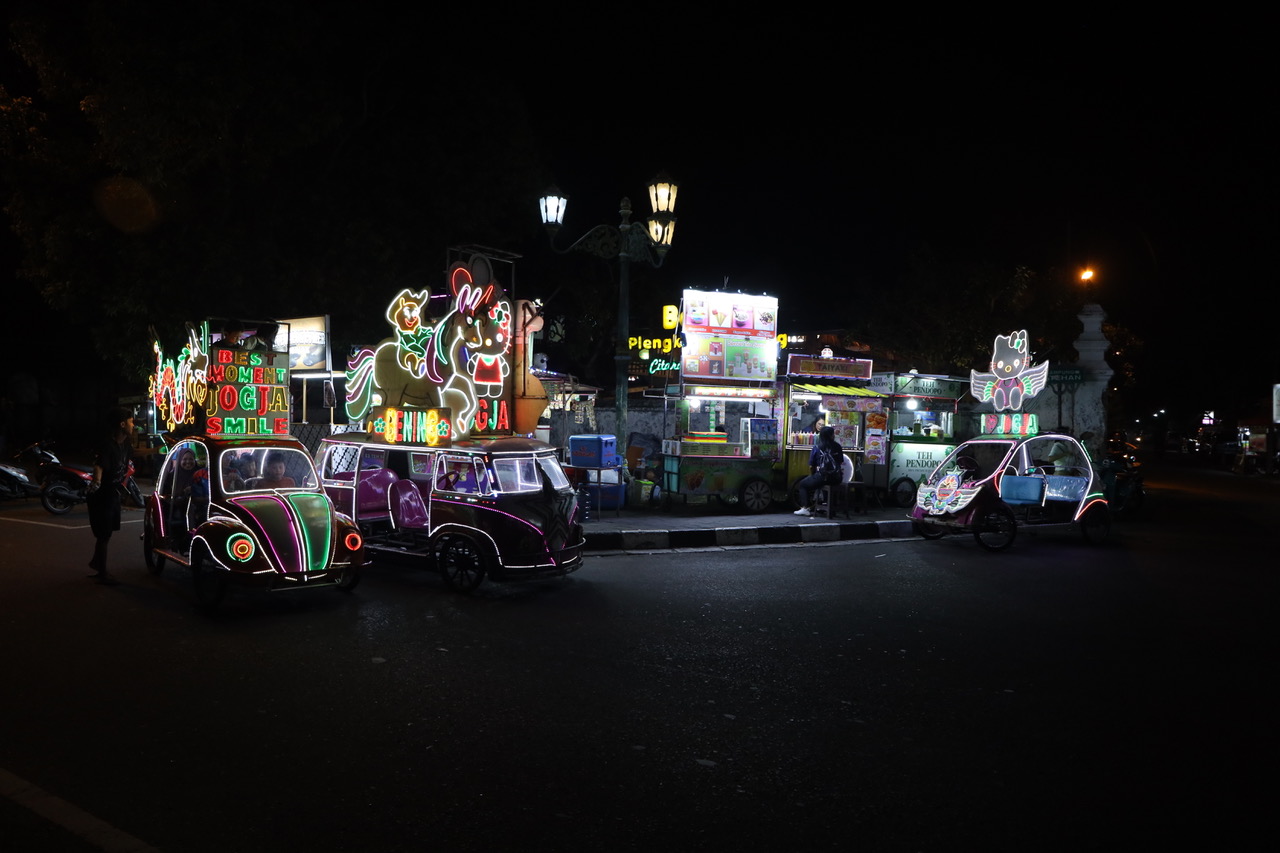
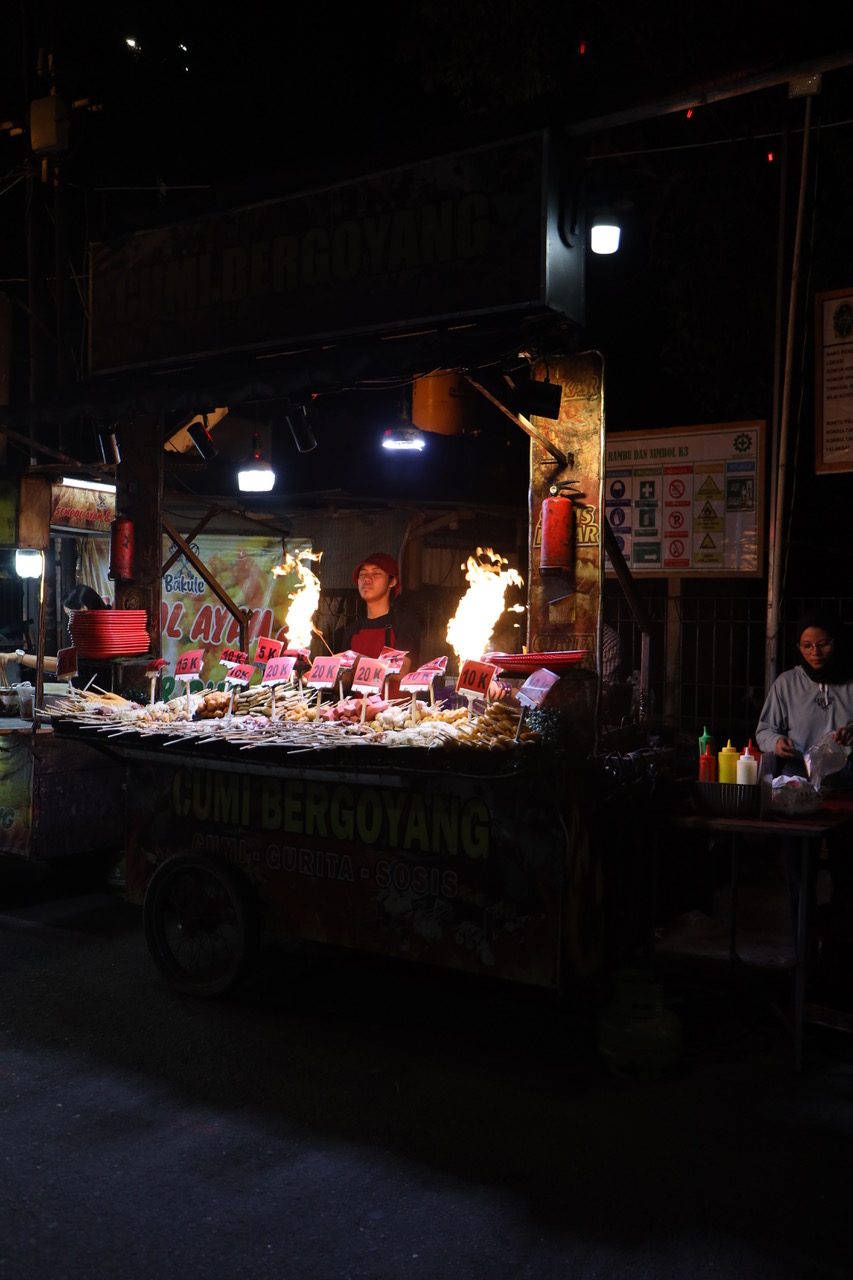
Even before we stepped fully into the alun-alun premise, the atmosphere had immediately pulled us in. The alun-alun was glowing — literally. Rows of neon pedal cars circled the twin banyan trees like cheerful fireflies, their colours blinking in hypnotic patterns. The smell of roasted corn drifted through the air, mixing with charcoal smoke from satay carts and the sweet scent of freshly fried cakwe. Street vendors were arranging their carts, placing bright jars of drinks under small lamps. Meanwhile, local children chased bubbles that floated through the dusk like soft, shimmering ghosts.
“Let’s find a spot before it gets crazy,” Rini said, tugging me forward.
We spread the mat on a patch of grass that still had some room left, though I had a feeling that space wouldn’t stay empty for long. As we sat down, I realised how truly different this was from the NYE scenes I was accustomed to. No dress codes, no overpriced cocktails, no timers projected onto giant screens. Instead, there were families sharing meals, teenagers snapping photos, couples riding glowing odong-odong bikes, and elderly uncles sipping hot tea from plastic cups.
It felt — comfortably — like slipping into someone else’s living room, except the ceiling was the night sky.
By about 8 PM, the alun-alun had begun its slow transformation. People streamed in from every direction. Not rushed, not chaotic — just constant. Groups arrived on motorbikes, balancing bags of snacks and small children. Friends carried mats and guitars. Vendors pushed their carts into increasingly smaller gaps, calling out their menus and ringing bells for attention.
Every ten minutes or so, someone would test a firework somewhere in the distance. A quick fizz, a pop, and then a little cheer from the crowd.
By 10 PM, the alun-alun was completely packed. Any empty patch of grass was long gone, and we were now surrounded by a tightly woven crowd of people sitting cross-legged, as they were sharing food, taking pictures, or just enjoying the night.
“Wait for it,” Adi said. “The vuvuzelas are coming.”
He was right.
It started with one loud “BWAAAAA!” from somewhere on the opposite side of the square. Then another. Then three more. And suddenly, it felt like the entire alun-alun had turned into a stadium. Kids were blowing vuvuzelas with wild enthusiasm. Teenagers formed what looked like orchestra groups, each trying to be louder than the next. Adults joined in, too, pretending not to find it amusing. It needs to be said that vuvuzelas became popular all over the world, including here in Indonesia, this very year. These blaring instruments were used in the FIFA World Cup 2010 in South Africa and spread like wildfire. Because of their deafening noise, it got banned in many places.
As midnight approached, the energy in the crowd tightened. People stood up, raised their phones, and scanned the sky as though waiting for a sign. Fireworks became more frequent — quick bursts of light against the dark Yogyakarta sky. Someone behind us started a countdown. A different group to the right started another, completely out of sync. Then another one started closer to us.
“Ten! Nine!”
“No, that’s too early!”
“Just ikut aja! It’s fine!”
It didn’t matter. We shouted anyway.
When midnight finally arrived — whenever that truly was — the entire alun-alun exploded. Fireworks shot up from every corner, not in carefully timed sequences but in joyful chaos. Some were handheld, some soared high, some fizzled at awkward angles, but all of them lit up the faces around me. Vuvuzelas blared from every direction like a thousand wild trumpets. People screamed, laughed, and hugged each other. Children jumped, adults cheered, and for a moment, the night felt suspended, glittering and timeless.
I remember looking at my friends then. Adi was shouting “Selamat tahun baru!” at the top of his lungs. Rini was wiping tears of laughter from her eyes. Bayu was wearing caps, crowns, and headgear all at once. I had never felt this kind of NYE joy before.
That night, as we gathered our things and slowly walked out of the alun-alun with thousands of others, I knew I had experienced something I would carry for years. It was messy, loud, uncoordinated, and smoky—but also sincere, communal, and deeply human.
All images are courtesy of Pramod Kanakath.