



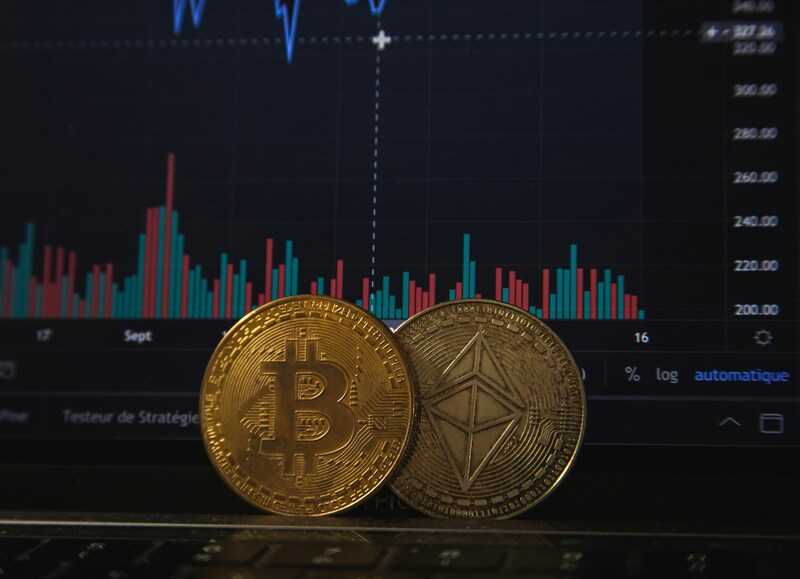
The Indonesian government, through the Ministry of Finance, has officially changed its taxation policy for digital currency or crypto assets, effective 1st of August 2025.
This change was stipulated in Minister of Finance Regulation (Peraturan Menteri Keuangan or PMK) Number 50 of 2025 concerning VAT (Value Added Tax) and Income Tax (PPh) on Crypto Asset Trading Transactions, issued on the 25th of July 2025.
Based on this regulation, the income tax rate on crypto asset transactions increases to 0.21%. This is stipulated in Article 22, which reads: Income as referred to in Article 11 paragraph (1) is subject to Article 22 Income Tax at a rate of 0.21% (zero point twenty-one per cent) of the value of the Crypto Asset transaction.
This income tax will be imposed on anyone earning income from the sale of crypto assets, electronic trading (Perdagangan Melalui Sistem Elektronik or PMSE), and crypto asset mining. This income tax is final and applies to all crypto asset transactions conducted through digital platforms (exchanges), with the mechanism for collection, deposit, and reporting carried out by the trading organiser through an electronic system.
Previously, the income tax levied on crypto asset transactions was 0.1% if the transaction was conducted through a platform registered with the Commodity Futures Trading Regulatory Agency (Badan Pengawas Perdagangan Berjangka Komoditi or Bappebti).
Specifically for VAT provisions, crypto assets are considered equivalent to securities and are therefore exempt from VAT. However, the provision of taxable services—such as the provision of electronic facilities used to facilitate crypto asset trading transactions by electronic trading providers (PMSE), and taxable services such as crypto asset transaction verification by crypto asset miners—are still subject to VAT.
Electronic services provided by VAT-subject providers to facilitate crypto asset transactions include buying and selling crypto assets using fiat currency, exchanging crypto assets for other crypto assets (swaps), and electronic wallets, including deposits, withdrawals, transferring crypto assets to other accounts, and providing or managing crypto asset storage media.