




The journey in 2025 is all about experiences, and that experience begins much earlier than when your guest steps in front of your lobby.
The journey of the guest starts as soon as one has a thought, I need a place to stay. By 2025, that path is virtual, immediate and highly personal. Modern passengers would not be going through brochures or sitting waiting for emails of confirmation.
They are making reservations using their phones, tailoring the experience to their needs in real time, and demanding immediate satisfaction when they have not even put their bags into the car.
And this is where the heroic role is played by the booking engine for hotels. There is no longer an emphasis on the approach of facilitating transactions, but instead, it is more about providing an easy, natural, and customised experience that begins as soon as a person arrives on your site.
The increasing expectations come with additional pressure to be able to provide smart and responsive systems that not only keep up with them but also stay ahead.

Why Booking Engines Matter More Than Ever?
The change of service-oriented to experience-oriented travel has meant that the booking process is a crucial interaction point. Not only can an ugly, old-fashioned interface lose you a booking, but it may also lose you a customer. That’s why modern booking engines for hotels are transforming from simple widgets into brand ambassadors.
They now serve as the first meaningful interaction between you and your future guest. With advanced features like instant availability updates, room customization, mobile optimization, and localized pricing, a smart engine builds trust even before your staff does.
The thing is, however, that there are website and booking engine pitfalls that could easily destroy that trust. Unless your booking process is fresh, simple, and guest-first, it is not going to help your cause. Beyond just functionality, it’s about how your brand feels in digital form, i.e, clear, reliable, and welcoming.
Inside The New Booking Ecosystem
Here’s where the revolution gets real. Booking engines for hotels in 2025 are no longer standalone tools. They are part of a fully integrated, enterprise-grade platform that links everything—from revenue management to reputation monitoring.
Let’s break down what that includes:
Smarter Distribution Through Integration

The latest booking systems run on the strength of integrations. Such tools as Channel Managers guarantee instant rate and inventory updates on various online travel agencies (OTAs). Meanwhile, the Global Distribution Systems (GDS) are the means of connecting hotels with travel agents and corporate networks across the world, where properties obtain a broader visibility at the local level of accuracy.
Intelligent Booking Engines That Drive Conversions
Today’s hotel booking engines go beyond basic reservations. With real-time availability, custom upsell offers, dynamic packages, and promo code automation, these systems are designed to create frictionless, branded experiences.
These are tightly integrated with loyalty platforms and support local currencies and payment gateways, boosting both guest trust and conversion rates.
In 2024, the number of memberships of loyalty programs provided by hotels increased by 14.5%, which signifies the trend of seeking brand-related experiences.
Direct Booking Sites That Perform
The online presence of your hotel is the main source of revenue and your online brochure is outdated. Such tools allow hoteliers to control dynamic websites that are completely integrated and promote direct reservations, reward favourite clients, and targeted seasonal products, decreasing the reliance on third parties.
Want to see how much commission you could save by increasing direct bookings? Try STAAH’s Commission Savings Calculator.
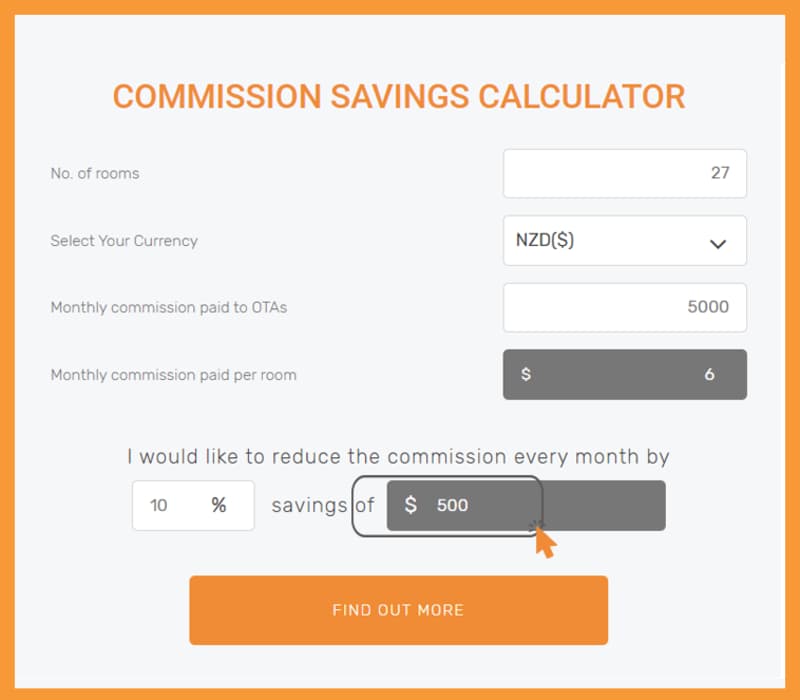
Hoteliers can use this free tool to calculate how much they pay in OTA commissions and how much more money they could keep if they used their own website to drive bookings. To see the potential monthly and annual savings, just enter your OTA revenue and commission rate. It’s revolutionary for figuring out the true cost of relying on third parties and for establishing a case for spending money on direct booking techniques.
Real-Time Guest Feedback & Reputation Tools
 Guest reviews remain crucial. After a good experience, 40 per cent of the guests in a hotel will leave a guest review.
Tools help hotels collect and act on feedback in real-time. Integrated reputation management features allow teams to quickly respond to guest concerns, improve service areas, and maintain positive brand perception.
Creative Offers and Digital Vouchers
 Personalized, time-sensitive offers are becoming a standard marketing tactic. Digital vouchers and custom packages not only bring guests back but also add brand value. These can be used for gifting experiences, fixed-term promotions, or upselling during slower seasons.
Centralized Insights and Analytics
This ecosystem can be used to feed a unified dashboard with all the tools. In addition to real-time reporting and clever analytics, hoteliers are able to stay on top of occupancy patterns, booking funnel efficiency as well as the profitability of each channel as they can make more informed decisions in a faster, more precise manner.
Personalized Booking Experiences
Modern systems track preferences, from room type to amenities, allowing returning guests to enjoy tailored experiences. Personalization is now expected, not optional.
Localized Touchpoints
 Whether a guest is booking from London, Sydney, or São Paulo, they expect to view pricing in local currency, see accurate tax details, and use familiar payment methods. These small details build instant trust.
Mobile and Voice-Friendly Interfaces
The shift is clear: mobile now accounts for over 50% of all hotel bookings. Today’s systems must be mobile-first and increasingly voice-enabled, allowing bookings, upgrades, and check-ins via smartphones or smart assistants. The rate of mobile bookings has been impressive, with it taking more than 50 per cent of all hotel bookings in recent years.
Reliable Human Support
Even with automation, human support still matters. Booking systems are now backed by dedicated service teams, ensuring hotels receive technical help promptly, and guests always feel supported, not ignored.
The Takeaway: It’s Time To Rethink Your Booking Engine
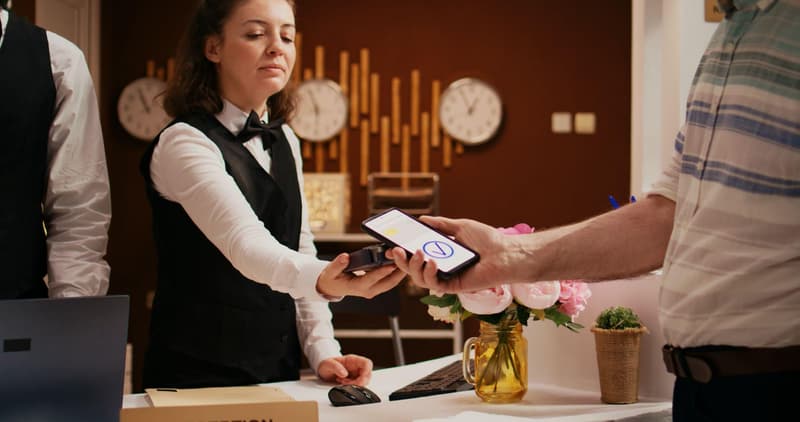
Your booking engine does not come under back office software. It is your untalkative salesman, your online companion, and your ever-present receptionist.
In the highly competitive hospitality industry where direct hotel bookings are more significant than ever, it could be a strategic component of cutting commission, maximising guest satisfaction, and providing long-term growth.
However, it is not technology that fuels successful people but how you use technology. A secure, scalable, and flexible booking solution, plus smart reporting, personalisation, and distribution, enables your property to compete not only on prices but also on value, brand and experience.
Final Thoughts

Hospitality is no longer about just welcoming guests at the front desk. It’s about welcoming them digitally, authentically, and efficiently—right from their first click.
Smart integrated booking engines will be the core part of the hotel in 2025 and further beyond. It unites distribution, personification, the engagement of guests, and performance insights in one location and turns your relationship with your audience into a game changer.
The guest journey does not always end at check-out but with the appropriate equipment, it may begin anywhere even before the check-in. Donate the relationships, make the value happen and make your booking engine the connection that enables it.