



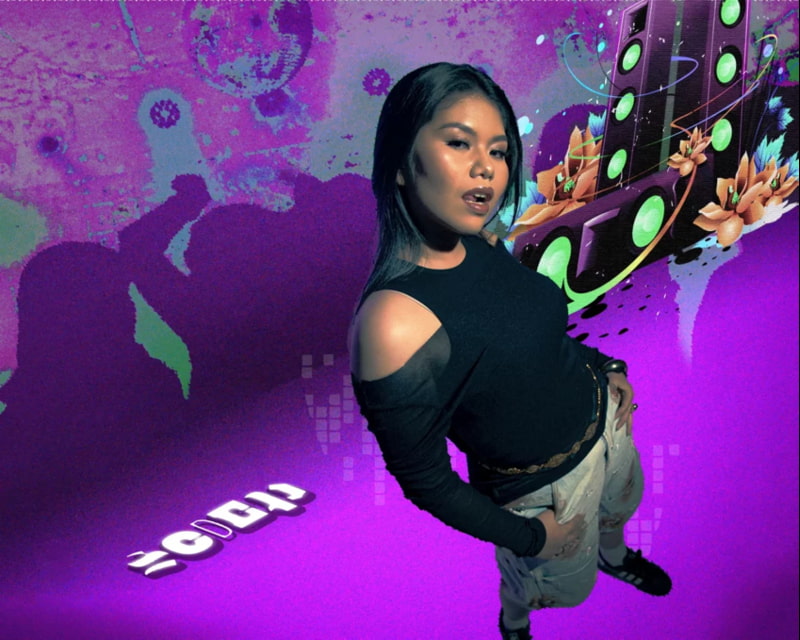
Jebung doesn’t play it safe with her first full-length album, ‘SEDEP’, which is sometimes uneven and other times, gloriously bizarre.
Allow me to start this review with a message for all up-and-coming Indonesian artists out there: your debut full-length album is a big deal—and anyone who has ever told you otherwise is a liar. It doesn’t matter whether the artist in question has previously released a slew of standalone singles and extended plays (EPs), because only your debut full-length album can answer the question every artist must answer at some point in their career: “Who am I as an artist?”
Jebung’s decision to drop her debut full-length album, SEDEP, approximately six years after she first made her mark as a professional recording artist—at least to me—feels both understandable and vexing. Sometimes, an artist really needs to take their time before hitting the studio and churning out their debut full-length album because they actually understand how big a deal it truly is. On the other hand, it is disconcerting knowing that an artist could take years to properly figure out who they are. I couldn’t help but wonder: are they having too many second thoughts? Are they thinking of quitting music altogether? Are they fighting with their team or their label? Or worse: are they fighting with themselves?
In the past, I used to tell such artists, “Don’t overthink it. What matters is that you put out your debut album. No one expects your debut album to be of excellent quality.” But times have changed quite dramatically over the past couple of years. For instance, I’ve noticed that Indonesian music audiences no longer have the patience for artists who are still ‘exploring’ their artistry. These days, audiences become fans due to the artist’s character constancy. Training season no longer exists once you become a professional; either you figure yourself out now, or you don’t.
Fortunately, Jebung has discovered herself—and she has no intention of sugarcoating her revelation. The opening track of SEDEP, “ORI”, which should have been nominated for Best Solo Rap/Hip-Hop Artist at the 2026 AMI Awards, is a tongue-in-cheek exercise of both self-empowerment and self-reflection. The rather conventional hip-hop production by David Arcade ends up making an impressively ample space for Jebung’s fiery delivery, as the latter valiantly acknowledges that her past self was “fake, afraid of death,” but this time, she would like to reintroduce her “original” self. Unlike most hip-hop artists, it is palpable that Jebung’s boasts come from a place of honesty and humility. That quality alone already deserves a gold star, as far as I’m concerned.
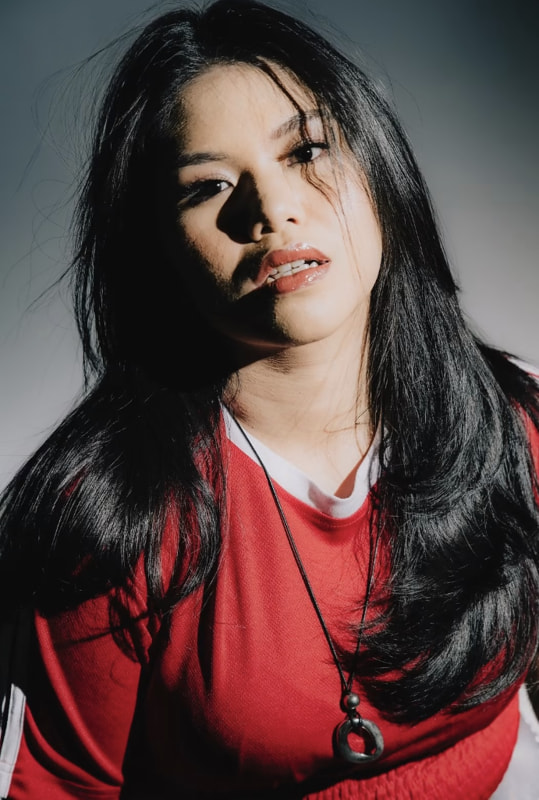
Throughout SEDEP, Jebung delivers her hip-hop individualism with self-assurance that did not exist in her career’s early years. As conveyed in “Bisa (Agak Lain)”, she is keen on being the type of artist who is not bound by either naysayers or money concerns, no matter how mad she may be seen by the world around her as a result. The song’s production gives a fitting body to Jebung’s creative spirit, as producer PUIA puts a little bit of jazz rap, electro-hop, and funk into the pot—with a touch of early 90s Queen Latifah energy in Jebung’s verse that would surely make the older hip-hop aficionados out there nod approvingly. Meanwhile, “Ngadu Ke Ayang” is a marriage of hip-hop and R&B brimming with the frothy, youthful energy that may remind certain listeners of the glory years of Xscape. It is commendable to see that Jebung and her producers have done their homework. In SEDEP, hip-hop is not just a pose.
That being said, Jebung actually shines the brightest when she leans into a sonic direction that is so wonderfully weird that listeners no longer have a clue of which exact genre she is operating in. “Di Antara Semua, Mengapa Selingkuh?” is definitely the best track of SEDEP simply due to the unpredictable journey that this three-minute-and-23-second tune devilishly brings forth. On top of unsettlingly loopy piano keys, Jebung’s delivery in “Di Antara Semua, Mengapa Selingkuh?” is so theatrically vivid that any listener can easily picture Jebung’s gritted teeth in the face of an agony so intense that any teardrop that hits the floor instantly evaporates and turns into carbon monoxide. This tune is practically channelling the legendary Fiona Apple at her rawest—and I love it.
“LAGI LAGI” ranks as the second-best song of SEDEP, thanks largely to Redi Yusri’s fluty music production that turns Jebung’s deliciously love-thirsty expression into what is basically a naughty lovechild of Kelis and KATSEYE. “LAGI LAGI” also proves that if Jebung ever wants to, she has what it takes to deliver catchy, Top 40 radio hits.
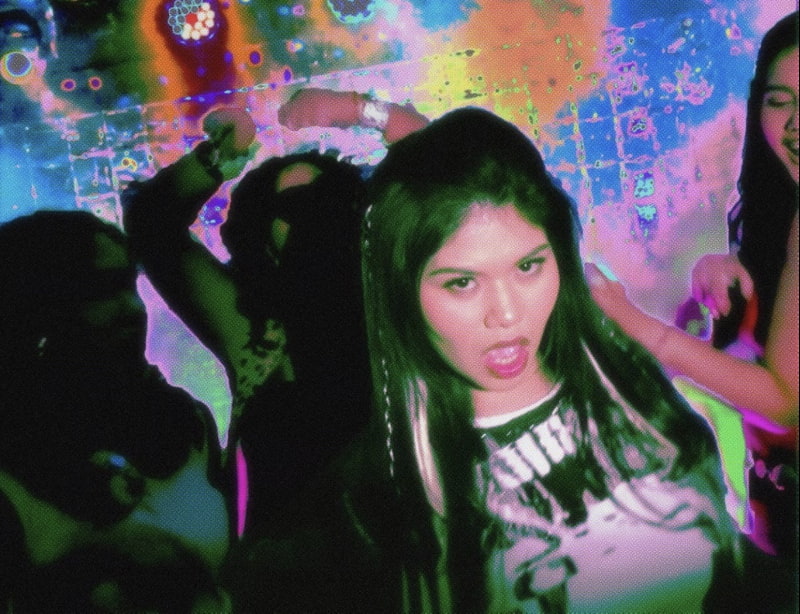
The bad news is that SEDEP stumbles whenever Jebung’s idea turns out to be too much of a tall order—at least for now. The downtempo “All I Got” is supposed to bring the listeners to church. But unfortunately, Jebung has yet to possess the necessary vocal prowess to turn this tune into a soulfully piercing rhapsody. (On top of that, the song’s deliberate vocal distortion is more distracting than amplifying.) In “Mau Tenar”, Jebung dreams of fame akin to “feeling like Manohara.” However, instead of reaching the inspiringly chaotic paradise not unlike Britney Spears’ Blackout, the song’s production comes across as too choppy to the ears, which could consequently cause listeners not to give full attention to the song’s heartfelt spoken-word interlude at the end.
The clubby “Nikmatnya Rahasia” deserves some appreciation for its old-school sultriness. But alas, it is too weak a song to be chosen as the album‘s closer, which should have given the listeners a much-needed full-circle moment.
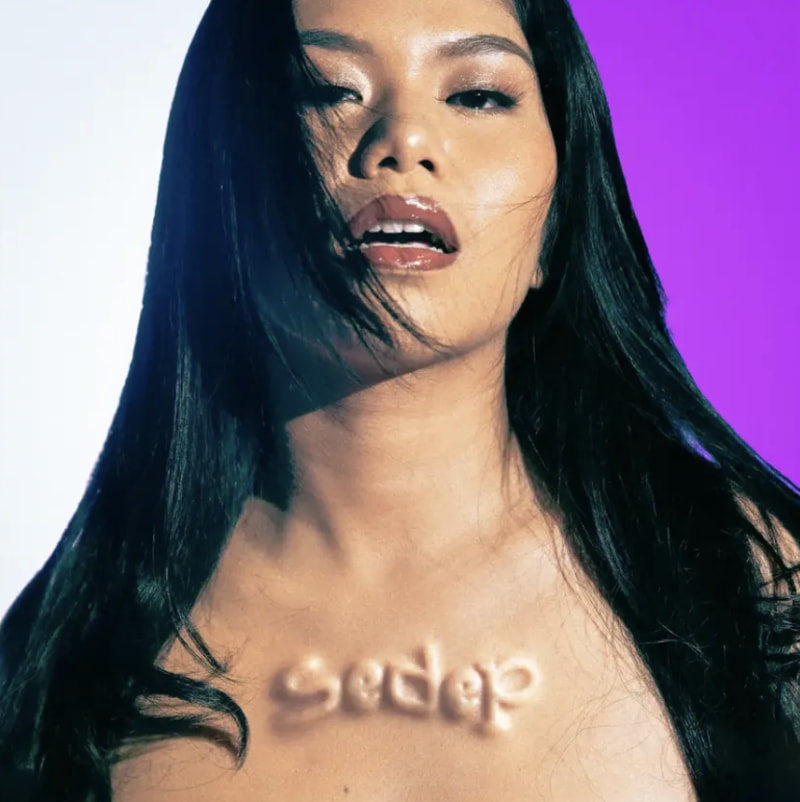
Jebung’s originality isn’t always executed to maximum effect in SEDEP. However, the album is solid enough to convey who Jebung is as an artist: someone who is here to stay. While she still has more to learn about how to turn her unique vision into refined art, it’s clear that Jebung indeed has a vision—she knows what she wants and where she wants to go. Furthermore, in the bigger picture, SEDEP is precisely the kind of album the Indonesian hip-hop and R&B scenes desperately need right now. We aren’t looking for a musical prodigy; what we are looking for is someone daring enough to be young and dangerous. And SEDEP shows that Jebung is not here to play it safe.
All images are courtesy of Jebung and Prasetyo Genta.