



Few countries are as deeply intertwined with coffee as Indonesia. Spread across more than 17,000 islands, the archipelago offers one of the most diverse coffee landscapes in the world—where geography, history, and culture converge in every cup.
Indonesia’s coffee story is not just one of agriculture or trade. It is a story of colonial ambition, resilience, adaptation, and, more recently, innovation.
Colonial Beginnings: The Arrival of Coffee
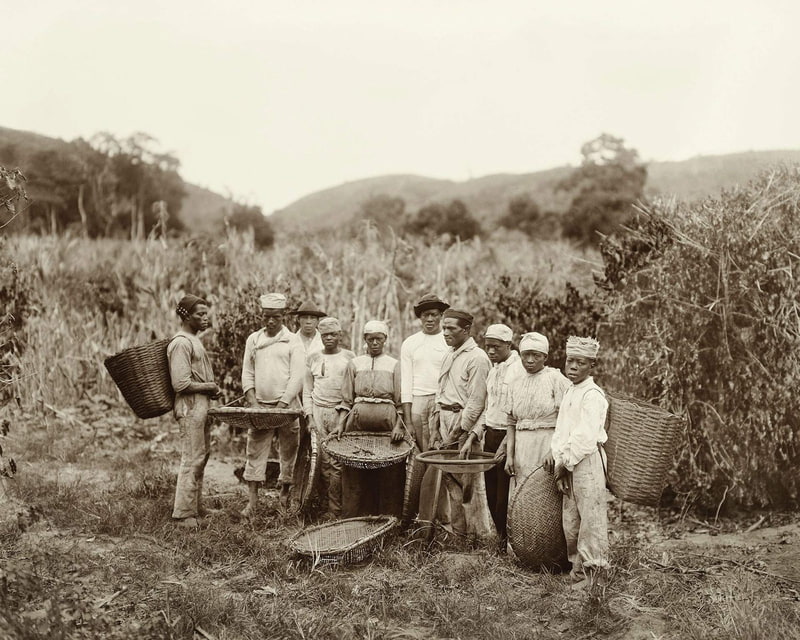
Coffee first arrived in Indonesia in the late 17th century, introduced by the Dutch East India Company (VOC) during the colonial era. An early attempt to cultivate coffee in Batavia (modern-day Jakarta) in 1696 failed due to flooding. Just a few years later, in 1699, a second effort succeeded—marking the beginning of coffee cultivation in the archipelago.
Java quickly emerged as the centre of production. Blessed with fertile volcanic soil and a favourable tropical climate, the island proved ideal for growing Coffea arabica. By the early 18th century, Java was exporting significant quantities of coffee to Europe, positioning Indonesia as one of the first regions outside Arabia and Africa to cultivate coffee commercially.
So influential was this early success that the name “Java” became synonymous with coffee itself—a term still widely used today.
Expansion and Exploitation: The Cultivation System
In the 19th century, coffee production expanded beyond Java to regions such as Sumatra, Sulawesi, and Bali. This growth was driven largely by the Dutch colonial Cultivation System (Cultuurstelsel), introduced in 1830.
Under this system, Indonesian farmers were required to dedicate a portion of their land and labour to export crops, including coffee, sugar, and indigo. While it dramatically increased output and enriched the colonial economy, the system placed immense pressure on local communities, often leading to economic hardship and food insecurity.
Yet despite its exploitative nature, this period laid the structural foundation of Indonesia’s coffee industry. Distinct regional identities began to emerge, shaped by local soils, climates, and traditional processing methods—early expressions of what the modern coffee world would later call “terroir“.
Crisis and Adaptation: The Rust Epidemic
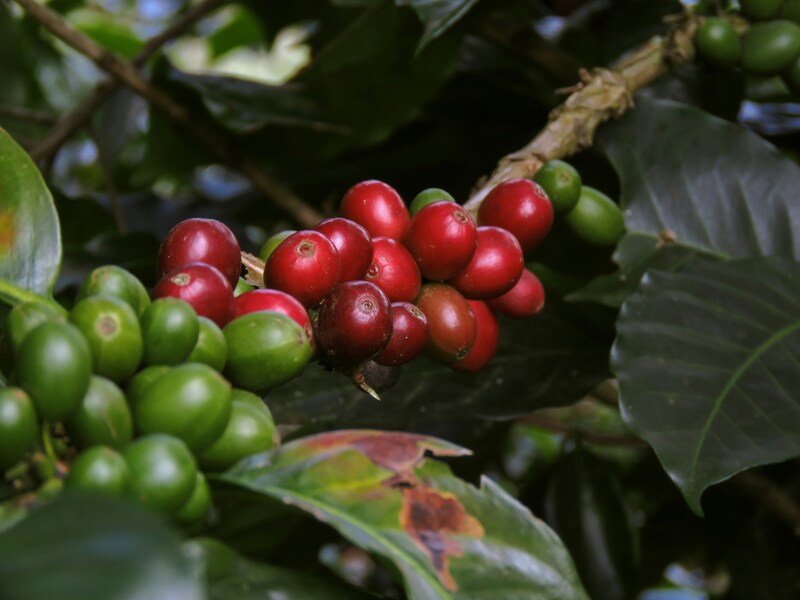
By the late 19th century, Indonesia’s thriving coffee sector faced a devastating setback. Coffee leaf rust, a fungal disease, spread rapidly across plantations, decimating Arabica crops—particularly in lower-altitude regions.
In response, the Dutch introduced Coffea canephora, better known as Robusta. More resilient and higher-yielding, Robusta adapted well to Indonesia’s environment and quickly became the dominant crop in many areas.
This shift fundamentally reshaped the industry. While Arabica survived in higher-altitude regions such as Aceh and Toraja, Robusta became the backbone of large-scale production—a dynamic that continues to define Indonesia’s coffee output today.
Independence and the Rise of Smallholders
Following independence in 1945, Indonesia’s coffee industry underwent another transformation. Large colonial plantations were gradually nationalised or abandoned, and production moved into the hands of smallholder farmers.
Today, more than 90% of Indonesian coffee is produced by smallholders, many cultivating just a few hectares of land. These farmers rely on knowledge passed down through generations, combining traditional practices with evolving techniques.
One of Indonesia’s most distinctive contributions to the coffee world is giling basah, also known as wet-hulling. This unique processing method—where the protective parchment is removed while the beans are still moist—produces the signature profile associated with Indonesian coffee: full-bodied, low in acidity, and rich with earthy, herbal, and spicy notes.
Regions such as Gayo, Lintong, and Toraja have since gained international recognition for their high-quality Arabica coffees, each offering distinct flavour profiles shaped by altitude, microclimate, and craftsmanship.
A New Chapter: The Rise of Speciality Coffee
In the early 21st century, Indonesian coffee began to experience a global resurgence. As the speciality coffee movement gained momentum worldwide, attention turned once again to the archipelago—not just for volume, but for quality, diversity, and uniqueness.
Advancements in processing, improved quality control, and the rise of direct trade relationships helped reposition Indonesian coffee in the premium market. Farmers and producers began experimenting with new techniques, including honey and natural processing, anaerobic fermentation, and other controlled methods that brought out brighter acidity and more complex flavour profiles.
These innovations challenged long-held perceptions of Indonesian coffee as heavy and earthy, revealing a far broader spectrum of taste and potential.
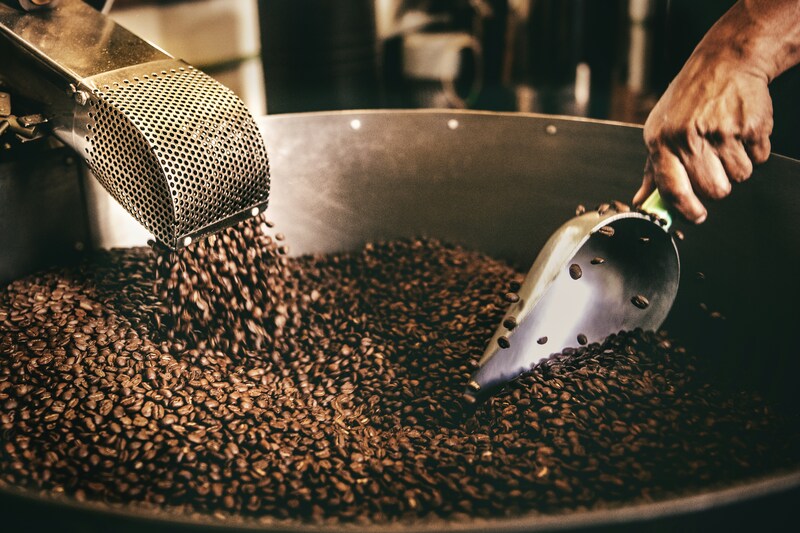
At the same time, a vibrant domestic coffee culture began to flourish. Cities and regions such as Jakarta, Bandung, Yogyakarta, Bali, and Medan saw a rapid rise in speciality cafés, micro-roasters, and a new generation of consumers eager to explore coffee as a craft rather than a commodity. Lighter roasting styles and greater transparency around origin further fueled this shift.
Indonesia Today: Diversity at Scale
Today, Indonesia stands as one of the world’s largest coffee producers and exporters. Robusta remains the dominant export, but Arabica continues to gain prominence in the speciality segment.
What sets Indonesia apart is its diversity. From the deep, syrupy profiles of Sumatra to the cleaner, brighter expressions of Java and the complex, spicy notes of Sulawesi, the country offers an extraordinary range of coffees—each rooted in its unique landscape.
This diversity is both a strength and a challenge. With thousands of islands and fragmented production systems, consistency, traceability, and market access remain ongoing concerns. Yet these same complexities also create opportunities for differentiation and storytelling in an increasingly origin-focused market.
Where the Story Continues
Indonesia’s coffee journey is far from complete. The fragmentation of smallholder production, the gap between farmers and buyers, the reliance on intermediaries—these are not relics of the past, as they remain defining features of the present. What is changing now is how the industry responds.
Digital platforms are beginning to connect producers more directly with global markets. Access to information is expanding. Quality is becoming more intentional, driven by both local expertise and international demand.
In many ways, the current moment is not a departure from history but a continuation of it. The same forces—trade, technology, and human ingenuity—are once again reshaping Indonesia’s place in the global coffee landscape.
A Legacy in Every Cup
From its origins as a colonial commodity to its emergence as a speciality powerhouse, Indonesian coffee reflects a remarkable journey of transformation. It is a story of resilience—of farmers adapting to changing conditions, of traditions evolving alongside innovation, and of a nation redefining its role in a global industry.
Today, Indonesia stands at a unique intersection of heritage and progress. And as the world continues to discover the depth and diversity of its coffees, one thing remains certain: this story is still being written—one cup at a time.
The author of this article, Nivia Tioe, is the founder of Seven Sumatra Beans and Homemade Indonesia Beans: initiatives focused on advancing Indonesia’s coffee ecosystem, from roasting and retail to green coffee trade, digital marketplace development, and coffee processing.