



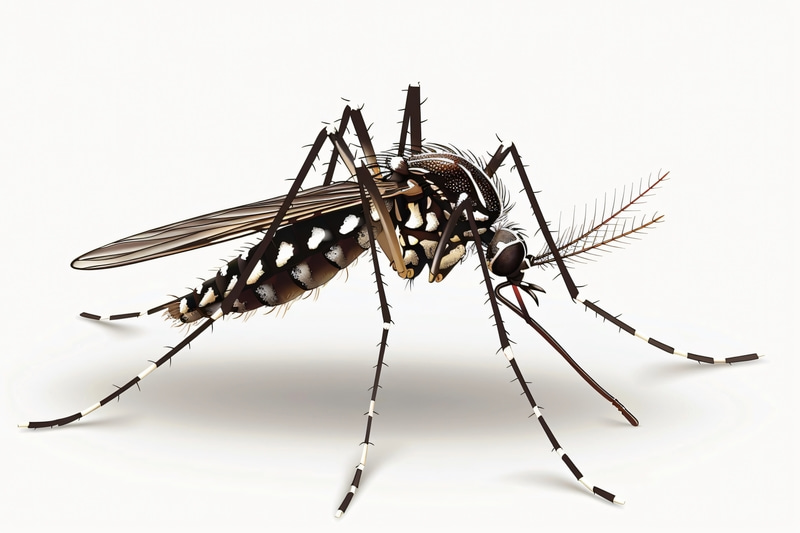
Mosquito bites can cause chikungunya, Japanese encephalitis, and dengue.
This time, allow me to discuss the less well-known diseases spread by mosquitoes. These diseases are usually found in the eastern parts of Indonesia. However, because some of us might like travelling across this huge archipelago, it is important to have some knowledge about these diseases as well.
Chikungunya, in particular, can cause a fever and intense joint pains. It sometimes looks like dengue, a disease which people are more familiar with. Chikungunya is caused by the chikungunya virus and is spread by mosquito bites.
The best way to avoid infection is to prevent mosquito bites.
How to Prevent Mosquito Bites
Use of insect repellents, anti-mosquito lotions, or sprays:
- Repellents which contain diethyltoluamide (DEET) are recommended. Eucalyptus oil also works;
- Use your sunscreen first, then put on insect repellent.
Wear the right type of clothing:
- Long, loose-fitting clothing reduces the amount of exposed skin that can be bitten.
Use a mosquito net:
- Sleeping or resting under a net protects you from being bitten.
Reduce mosquitoes around your accommodation:
- Stopping mosquitoes from entering and breeding around your home helps prevent you from being bitten.
Furthermore, if you develop a fever, especially after travelling to the eastern part of Indonesia, it is better to seek medical attention.
Overview of Chikungunya
Chikungunya is spread by the bite of the Aedes mosquito. These mosquitoes predominantly bite during the day, from sunrise until sunset. They also transmit dengue fever as well as yellow fever. Chikungunya can be caught in more than 100 countries in Africa, Asia, North America, South America, Central America, the Caribbean, and the Pacific islands.
Symptoms of Chikungunya
The symptoms of chikungunya start four to eight days after the mosquito bite, with a high fever and frequent pains in the joints being the main symptoms. A rash, headache, feeling tired, feeling sick (nausea), and muscle pains may also be experienced by the patient.
Chikungunya behaves like a viral illness. It usually gets better over a few days or a week, and serious complications are uncommon. The pain in the joints, however, may continue in some people for weeks to months or even longer.
Your GP (GOOD PRACTICE) can test to see if you are infected with Chikungunya. It involves a blood test.
Treatment for Chikungunya
Symptoms like fever, joint pains, and headache can be treated with painkillers. Paracetamol up to four grams a day might be taken. Ongoing joint pains, on the other hand, often need anti-inflammatory medications like ibuprofen and assessment by a specialist.
Japanese Encephalitis
This particular disease is caused by a virus which is spread through mosquito bites, but it is preventable by vaccination. Symptoms of Japanese encephalitis include flu-like symptoms, headache, fever, nausea, and tummy ache. In some cases, the infection can spread to the brain and cause serious symptoms like a severe headache, confusion, paralysis, and seizures.
The virus can be found in parts of Asia, including Bali and the eastern part of Indonesia. Remember: avoid insect bites!
Vaccination for Japanese Encephalitis
Usually, one vaccine is sufficient to protect you from Japanese encephalitis for life.
Treatment for Japanese Encephalitis
You will need to be treated in a hospital if you are very unwell, as Japanese encephalitis can be life-threatening. Managing this disease also includes painkillers and steroids.
Dengue
Similar to chikungunya and Japanese encephalitis, dengue is also a viral disease which is spread through mosquito bites. Therefore, once again, it is best to avoid any mosquito bites. Dengue is very common in urban areas, especially if there is any stagnant water in the neighbourhood.
Symptoms of dengue are fever, headache, nausea, and a rash. After contracting dengue, you will usually feel very ill for a week. A complication caused by dengue is hemorrhagic fever, during which you can develop spontaneous bleeding. Dengue diagnosis, fortunately, is easily confirmed by a blood test.
Vaccination Against Dengue
There is now a vaccine available that protects against all four types of dengue, which is a product from Japan and manufactured in Germany. The vaccine is safe to use regardless of any previous exposure to dengue. It can be given safely from age 4 in Indonesia.
Contact us at the GOOD PRACTICE clinic for more information. www.goodpractice.co.id