


Osteoporosis is known as a “silent disease” because it often develops without symptoms until a fracture occurs.
This condition is characterised by a decrease in bone density and bone quality, making bones porous, fragile, and prone to fractures, even from minor injuries. Osteoporosis commonly affects postmenopausal women, but men and other age groups are also at risk, especially those with unhealthy lifestyles.
dr Ray Hendry, Sp.OT, Orthopaedic Surgeon at Bethsaida Hospital Gading Serpong, explains, “Osteoporosis occurs when the body has difficulty producing new bone to replace old bone. This usually becomes more noticeable with increasing age, but other factors such as poor nutrition, a sedentary lifestyle, and hereditary factors can also worsen this condition.”
Causes of Osteoporosis You Should Be Aware Of
Some of the main causes of osteoporosis include:
- Lack of Calcium and Vitamin D Intake: Both nutrients are essential for maintaining strong bones.
- Lack of Physical Activity: A sedentary lifestyle can accelerate bone mass loss.
- Smoking and Excessive Alcohol Consumption: These habits negatively affect bone metabolism.
- Genetic Factors: A family history of osteoporosis increases an individual’s risk.
- Certain Medications: Long-term use of medications such as corticosteroids can weaken bones.
Preventing Osteoporosis from an Early Stage
Osteoporosis prevention can begin with the following steps:
- Consume Nutritious Foods: Increase intake of calcium-rich foods such as milk, fish, and green vegetables.
- Exercise Regularly: Activities such as walking, yoga, or strength training are beneficial for bone health.
- Avoid Unhealthy Habits: Quit smoking and limit alcohol consumption.
- Bone Mineral Densitometry (BMD) Examination: Measure bone density to detect the early risk of osteoporosis.
Early Detection with Bone Mineral Densitometry (BMD)
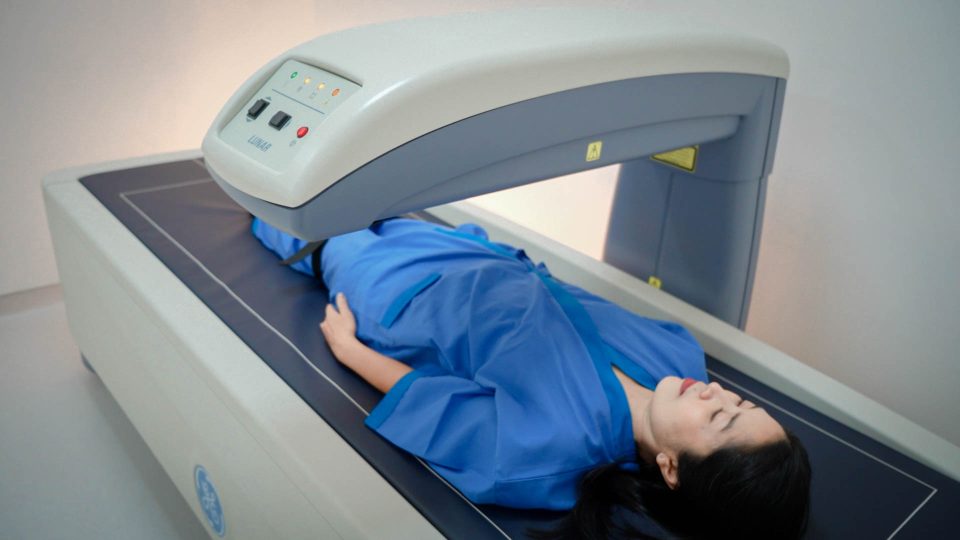
One of the best ways to prevent fractures caused by osteoporosis is through early detection using a Bone Mineral Densitometry (BMD) examination. Bethsaida Hospital Gading Serpong provides the latest technology to diagnose bone health through the newest BMD series equipment. This examination uses DXA (Dual-energy X-ray Absorptiometry) technology to measure bone mineral density and identify the risk of osteoporosis even before a fracture occurs — up to 10 years in advance.
BMD examination is beneficial for:
- Early detection of osteoporosis and fracture risk
- Monitoring treatment
- Fracture prevention
- Screening bone strength prior to medical procedures
- Comprehensive body composition assessment
Bone Mineral Densitometry (BMD) examination is recommended for several groups of individuals. These include women aged 65 years and older, men aged 70 years and older, as well as postmenopausal women with osteoporosis risk factors. In addition, individuals who have experienced unexplained fractures and those who take certain medications that may weaken bones are also advised to undergo a BMD examination.
dr Ray adds, “BMD is an important tool in diagnosing osteopenia (early bone weakening) and osteoporosis. With accurate results, we can determine appropriate preventive or treatment measures to maintain the patient’s bone health.”
Bethsaida Hospital Gading Serpong offers Orthopaedic Surgery and Diagnostic Services with comprehensive facilities, ranging from modern radiology equipment with the latest technology to consultations with specialist and subspecialist doctors. The Director of Bethsaida Hospital Gading Serpong, dr Pitono, emphasises, “We provide comprehensive services for bone health, from prevention to treatment, supported by the latest technology such as Bone Mineral Densitometry. This technology is capable of measuring various aspects, including Total Body Composition, bone density, overall bone condition, and fracture risk within the next 10 years. All of this is supported by an experienced medical team.”