



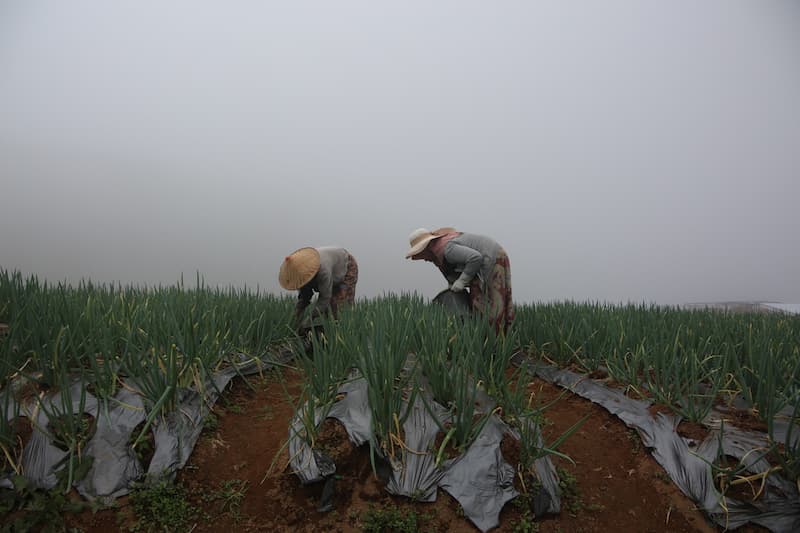
If every school and family, including expats and foreign travellers, embraced even one ‘actourism’ activity each year, Indonesia would not only be a paradise to visit—it would be a paradise preserved.
The idea of spending a day at the beach—playing on the sand and in the waves—is nothing new. As much as it remains a classic holiday plan, it also holds the potential to inspire fresh ideas that make travel more than mere leisure.
Now imagine a group of friends or a family deciding to break the monotony of surf and sand by planting a few mangrove saplings instead. That’s when travel turns into something truly meaningful—what we might call ‘actourism’: a holiday that combines tourism with a touch of climate action.
Tourism is one of Indonesia’s lifelines, yet it often leaves behind a trail of plastic bottles, carbon footprints, and strained ecosystems. ‘Actourism’ flips that narrative by turning every trip into an opportunity to give back. Instead of being passive spectators, travellers become active stewards of the places they visit.
A mangrove planted, a kilo of plastic collected, or a tree nurtured on a volcanic slope may seem like small gestures—but when multiplied by thousands of families and groups, these acts create a green wave of change. ‘Actourism’ matters because it transforms leisure into legacy.
Planting Seaweed in Nusa Lembongan

Take Nusa Lembongan, a small island southeast of Bali, where decades-old seaweed farms stretch across the turquoise shallows. Local families have harvested seaweed here for generations—a quiet, sustainable livelihood that connects people to the rhythms of the tide.
On a beach-hopping trip across this tiny island, families might discover an unexpected yet fulfilling activity. Join the farmers for a day: plant seedlings on ropes, wade through the shallows, and learn how seaweed sustains not just the local economy but also marine biodiversity.
The work is simple, salty, and unforgettable. Groups of friends will leave with sandy feet, wet clothes, and a newfound respect for the humble seaweed—an ingredient found in food, cosmetics, and even medicines. Perhaps, in the long run, seaweed could even help replace plastic.
(Writer’s tip: You can find out more about it here — Facebook link)
Restoring Coral Reefs in Raja Ampat
Further east, Papua offers another ‘actourism’ gem: coral reef restoration. Raja Ampat, often called the Amazon of the Seas, hosts some of the richest marine life on Earth—but its reefs face constant threats from warming waters and human activity.
Here, tourists can partner with local conservation groups to transplant baby corals onto reef frames. Imagine kneeling on the ocean floor, guided by divers, carefully placing fragile coral fragments into structures that will grow into vibrant underwater gardens.
It’s not just conservation—it’s creation. And when those corals flourish, they shelter clownfish, manta rays, and countless other species, turning a holiday memory into a living, breathing ecosystem.
(Writer’s tip: You can contact any of the eco-resorts in Raja Ampat or major cities in Papua to arrange such trips.)
A Day in Nglanggeran
Not all ‘actourism’ revolves around the sea. In the heart of Java, the village of Nglanggeran offers a model of eco-cultural tourism where travellers can combine environmental action with cultural immersion. Once scarred by mining, this ancient volcanic landscape has been restored through community effort and now thrives as a sustainable tourism site.
School visitors can join reforestation projects, lend a hand on organic farms, or learn traditional arts such as batik-making using natural dyes. It’s a lesson in balance—preserving heritage while protecting nature.
A day in Nglanggeran shows that climate action isn’t only about planting trees; it’s about planting values—values that root communities in sustainability.
(Writer’s tip: Learn more about Nglanggeran here.)
In Conclusion
‘Actourism’ invites families, friends, and students to step beyond the usual sightseeing trips and dive into Indonesia’s living landscapes. It transforms holidays from fleeting pleasures into purposeful journeys.
Whether knee-deep in a mangrove swamp, snorkelling among coral frames, or sharing stories with villagers under a Javanese sky, travellers discover that every journey can be more than a postcard memory—it can be a footprint of hope: light, yet lasting.
If every school and family embraced even one ‘actourism’ activity each year, Indonesia would not only be a paradise to visit—it would be a paradise preserved.