



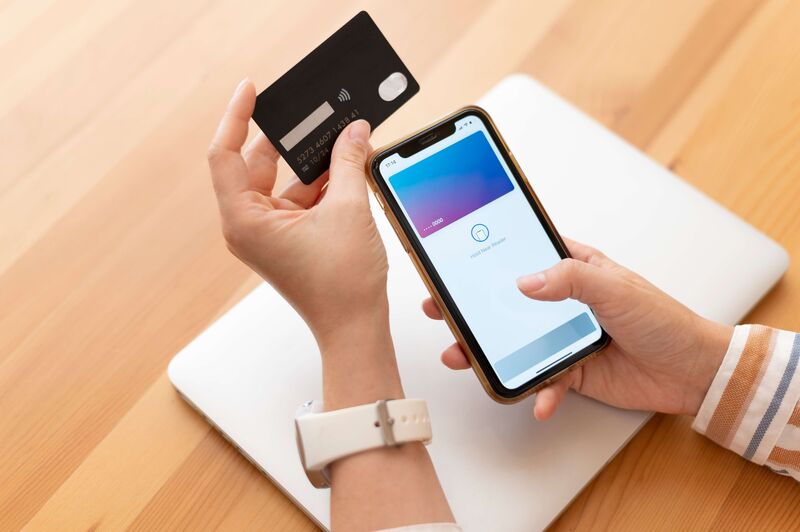
Bank Indonesia will trial its Payment ID system this month to unify financial transactions using National Identity Numbers, but experts and lawmakers raise concerns about privacy and security safeguards.
Bank Indonesia (BI) will begin trials of Payment ID on the 17th of August, coinciding with the 80th anniversary of the Republic of Indonesia. This system is designed to serve as a single identity for all public financial transactions based on the National Identity Numbers (Nomor Induk Kependudukan or NIK).
The Payment ID rollout will be carried out in stages. The first phase will use a BI-led approach, with full implementation targeted for 2027. The next phase will adopt an integrated approach, targeted for implementation in 2029.
Dudi Dermawan, Director of the BI Payment System Policy Department, explained that Payment ID is a unique code consisting of nine letters and numbers. This code will link an individual’s profile to all financial transactions, whether through bank accounts, digital wallets, or other payment channels.
According to Dermawan, Payment ID has three main functions. First, it specifically identifies the user’s profile. Second, it authenticates transaction data to ensure its validity. Third, it links individual data with detailed transaction records. With this system, all financial history, from income and expenses to loans and investments, to risky activities like online gambling and illegal loans, can be monitored in real time.
“This is how powerful Payment ID is. All data in the bank will have an equivalent linked to the Payment ID,” he underscored, as quoted from the press on Monday, the 11th of August.
Although this system can promote transparency and prevent transaction abuse, the unclear security infrastructure and rules have led many to question the urgency of implementing Payment ID. One such person is Sarifah Ainun Jariyah, a member of Commission I of the Indonesian House of Representatives, who requested that its implementation be postponed. According to her, inherent supervision through Payment ID is vulnerable due to the perceived lack of security infrastructure.
“We must learn from other countries. Incentives, not coercion. Protection, not exploitation. Commission I of the DPR will continue to monitor this issue to ensure citizens’ rights are protected,” Jariyah had previously told the press on Sunday, the 10th of August.
Furthermore, Gadjah Mada University economist Eddy Junarsin believes this system could compromise user privacy.
“The downside is reduced privacy and technical errors,” he remarked. “I don’t know if fiat-based Payment ID will be sustainable in the long run.”