




For a long time, Bali has worked on trust, relationships and an unspoken understanding that things would somehow find their way forward.
If you were patient, respectful and surrounded by the right people, most obstacles could be navigated. Permits might arrive late. Zoning could be ‘interpreted.’ And as long as you weren’t causing trouble, nobody seemed in a hurry to cause trouble for you.
That unwritten understanding, however, is now changing.
Not with loud announcements or dramatic crackdowns—but through a steady, increasingly consistent move towards enforcement. And for expatriates living in Bali—or investing here—this shift matters more than many realise.
Bali Hasn’t Changed Its Rules—It’s Changed Its Mood
Indonesia has always had regulations governing land use, construction and business operations. What’s different in 2025 and 2026 is not the existence of these rules, but the seriousness with which they are now being applied.
Across Bali, officials are less willing to accept “later” as an answer. Inspections are more common. Paperwork is actually being checked. And the phrase being quietly repeated at the regency and provincial level is simple: “No permit. No build. No operation.”
This isn’t about targeting foreigners. It’s about order, planning and a growing political need to demonstrate that Bali’s development is under control.
Unfortunately, many expats are caught somewhere in the middle.
The Gap Between How Bali Worked—and How It Works Now
Most problems emerging today trace back to decisions made years ago.
Land was purchased because it was affordable, not because it was zoned correctly. Villas were built on the assumption that permits could be arranged later. Residential properties quietly became short-term rentals. Structures were set up using advice that made sense at the time—but no longer fits today’s regulatory climate.
For years, these arrangements sat in a grey zone. They weren’t fully legal, but they weren’t actively challenged either.
That grey zone is now shrinking.
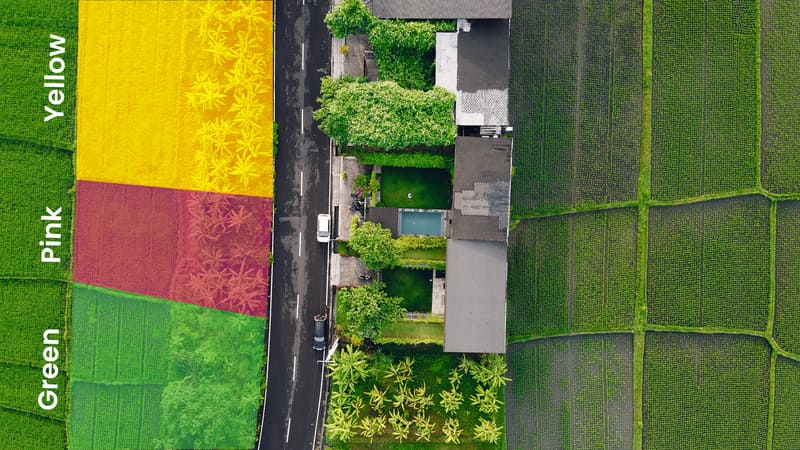
What “No Permit, No Build” Actually Means in Practice
This new enforcement phase is broader than many people assume.
It affects:
- Whereyou can build (zoning and spatial planning);
- Whatyou can build (residential vs tourism use);
- Howyou can operate (licensing, KBLI classifications);
- Whocarries responsibility (individuals, directors, shareholders).
A villa that looks fine physically may now be questioned legally. An operation that has run quietly for years may suddenly be asked to show documentation it never properly had.
And once questions are asked, “Everyone does it” is no longer an answer.
Patterns We’re Seeing More Often
As enforcement increases, the same issues keep surfacing:
- Land purchased for its view or price—without verifying long-term buildability;
- Assumptions that residential zoning automatically allows rentals;
- Overreliance on informal assurances rather than written approvals;
- Ownership and operating structures that feel increasingly outdated.
None of these were unusual decisions at the time. Many were made in good faith. But today, they carry real risk.
Why This Isn’t Bad News—If You’re Thinking Long-Term
While this shift is uncomfortable, it’s not necessarily negative.
Bali is maturing—and maturing markets tend to become more predictable, not less. Enforcement, when applied consistently, creates clearer boundaries—and clearer boundaries favour those who plan properly.
Speculative projects, shortcuts, and ‘temporary’ arrangements become harder to justify. In contrast, well-located, properly structured assets become more valuable over time.
In other words, Bali isn’t becoming hostile to foreign investment. It’s, instead, becoming selective.
How Serious Buyers are Adjusting
The conversations today are different from those of five or 10 years ago.
Instead of asking, “Can this be done?” buyers are now asking:
- “Is this permitted now—and likely to remain permitted?”
- “Does the zoning support the intended use, not just today but long-term?”
- “What happens if rules tighten further?”
Returns are still important, but so is durability. Investors are increasingly willing to trade a little upside for certainty.

Where Seven Stones Indonesia Fits Into This Picture
This is where a buyer-side, compliance-first approach becomes critical.
Seven Stones Indonesia works with expatriates and international investors who want clarity before commitment—not solutions after problems appear. The focus is on:
- Early-stage zoning and permit feasibility;
- Identifying assets that can be legally built, operated and exited;
- Structuring investments with the assumption that enforcement will continue, not fade.
In today’s Bali, the most valuable advice is often the advice that stops you from buying altogether.
A Final Reflection
Bali remains deeply welcoming, but it is also asserting something many destinations eventually must: structure matters.
The island is no longer asking investors to simply arrive with good intentions. It is asking them to arrive prepared. In this environment, permits are no longer a formality. They are, instead, the foundation.
And as Bali moves forward, the difference between those who struggle and those who succeed will come down to one simple question:
“Was this built to last—legally as well as physically?”
If you are planning to invest, relocate, or establish a residential or tourism-aligned business in Bali, we would be happy to help you plan the right steps.
Contact Seven Stones Indonesia at: hello@sevenstonesindonesia.com for insights tailored to your vision.