



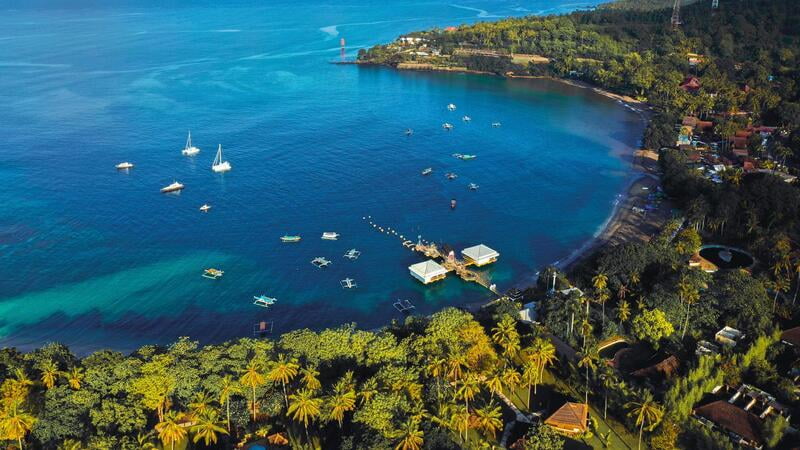
There’s a phrase you hear more and more these days in investor conversations, café chats, and WhatsApp groups: “Lombok is the next Bali.”
It’s an easy line. It’s also the wrong one.
Because Bali isn’t just a place—it’s a cultural phenomenon shaped over decades. And Lombok? Lombok is something else entirely. Quieter. Slower. Less performed. More real.
And that’s exactly why it matters now.
A Market That’s Not Loud—But Moving
If you only look at headlines, you might miss Lombok completely. It doesn’t shout. It doesn’t trend the same way Bali does. But beneath the surface, something is shifting.
Tourism across Indonesia is expanding again, but not in the same way as before. The growth is spreading out. According to insights shared by Ross Woods, regions like West Nusa Tenggara are quietly gaining traction. Domestic tourism is rising, and certain parts of Lombok—especially Central Lombok—have seen sharp increases in visitor numbers.
It’s not the kind of growth driven by hype or quick speculation. It feels steadier than that. More grounded.
At the same time, Lombok is still missing one key ingredient: strong, consistent international airlift. Flights come and go, routes open and close. It’s not frictionless yet.
But that’s also the point. Markets don’t become interesting when everything is already in place. They become interesting when the fundamentals are there—and one or two pieces are still catching up.
A Familiar Feeling—In a Different Place
Spend a little time on Lombok, and it’s hard not to notice the feeling. Not the look—because Lombok has its own identity—but the feeling.
Open roads. Quiet beaches. Space to breathe. You can drive without traffic. You can sit at a beach and realise you’re not sharing it with hundreds of others. You can talk to local communities that are still rooted, still present, not pushed to the edges of their own island.
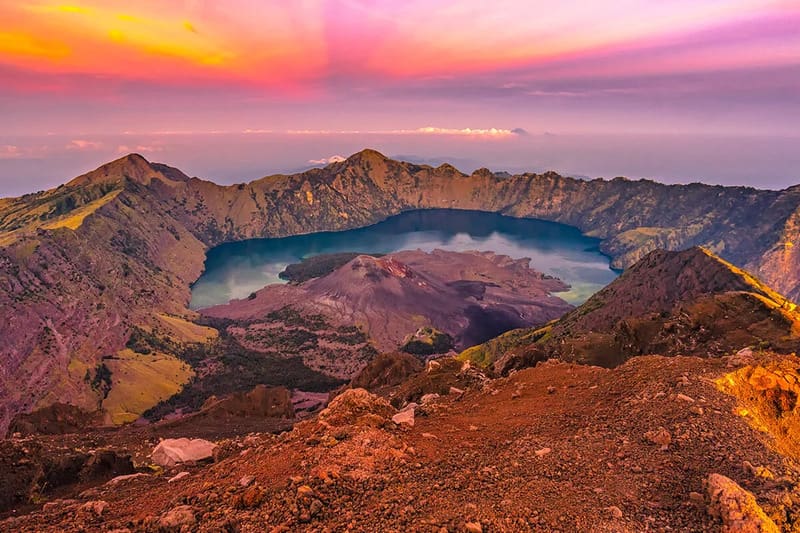
For many, it feels like how Bali was years ago. Not because Lombok is Bali—but because Lombok hasn’t been stretched in the same way as Bali. From the surf breaks in the south to the slopes of Mount Rinjani, Lombok still revolves around nature first. Surfing, trekking, diving, and simple living. Not over-curated experiences—just the real thing.
And as travel trends shift globally—less party, more purpose—that starts to matter more than ever.
Infrastructure Without the Stress
One of the biggest misconceptions about Lombok is that the region is in an ‘early stage’—in the sense that Lombok is still undeveloped. It isn’t, though.
There’s already an international airport. The Mandalika Special Economic Zone is in place. Roads work. Hotels and resorts are growing steadily.
What Lombok doesn’t have, however, is pressure.
In Bali, infrastructure is constantly trying to catch up with demand. In Lombok, it often feels like infrastructure is already there—just waiting. That creates a very different dynamic. It gives space for growth without the same level of friction.
A Different Kind of Simplicity
There’s also something else—harder to quantify but easy to feel: Lombok is simpler.
Not in terms of opportunity—but in terms of pace and expectations. The native Sasak people’s culture still shapes much of the island. Communities are less globalised, more connected to land and tradition.
For investors, that doesn’t mean ‘easy‘. But it does, however, mean something important: fewer layers of noise. Less speculation. Less overcrowding. Fewer competing agendas.
And in emerging markets, that kind of clarity is often overlooked—until it disappears.
A Market With Room for Many Stories
One of Lombok’s real strengths is its scale and spread. Unlike Bali, where different markets often compete for the same limited space, Lombok has the room to develop multiple identities—without stepping on itself.
You must have already seen early signs of this:
- Small but growing digital nomad communities, quietly forming in pockets rather than dominating entire areas;
- High-end developments like Tampah Hills, showing what premium positioning can look like on the island;
- A natural fit for eco and sustainable resorts, where projects can blend into landscapes instead of overwhelming them.
And, more importantly, these segments don’t clash—they complement each other. That creates a more balanced ecosystem. One where lifestyle, investment, and sustainability can grow side by side—instead of competing for the same narrative.
The Property Story—Where Timing Becomes Real
This is where Lombok quietly becomes very interesting. Because while Bali has already gone through its major growth cycles, Lombok is still early enough that entry points make sense.
Larger land plots are still available in Lombok. Pricing is still comparatively reasonable. And, more importantly, there are still freehold opportunities—Hak Guna Bangunan (HGB) or Hak Pakai for foreigners—which give a very different long-term asset profile compared to many Bali setups.
It’s not just about buying cheaper land; it’s about entering a market before it fully reprices.
Tourism demand in Lombok is building. Hotel occupancy is improving. Domestic travel is creating a stable base. And, gradually, international attention is following. This is typically how it starts—quietly, then all at once.
The Missing Piece—And Why It Matters
If there’s one thing holding Lombok back today, it’s connectivity. International flights are not yet consistent enough to make Lombok completely seamless for global travellers.
That’s the reality. But it’s also a signal.
Because when connectivity improves—and history suggests it will—the effect on a market like this can be significant. We’ve seen it in places like Phuket and Da Nang. Even Bali went through the same cycle. Infrastructure comes first. Flights follow. Prices adjust.
Lombok is somewhere in the middle of that sequence.
So Why Lombok—and Why Now?
Not because Lombok is the “Next Bali“—but because it isn’t. Because Lombok offers something that Bali no longer can in the same way: space, timing, and a sense of balance between development and nature.
Now Lombok is a market where:
- The fundamentals are already in place;
- The pressure hasn’t fully arrived;
- The pricing still makes sense;
- And its story is only just beginning.
A Small Note From Us
At Seven Stones Indonesia, we’ve been watching Lombok closely for some time—and, based on what we’re seeing on the ground, we believe the timing is right. That’s why we will be opening a presence in Lombok in the very near future—bringing the same focus on structure, compliance, and long-term asset thinking that we’ve established in Bali.
Quiet markets don’t stay quiet forever.
If you are considering investing, relocating, or developing a residential or tourism-aligned project in Lombok, we would be happy to help you plan the right next steps. For tailored insights aligned with your vision, feel free to reach out at: hello@sevenstonesindonesia.com