



On a sunny weekend morning in Bumi Serpong Damai (BSD City), the first customers arrive carrying more than just handbags and laptops.
Tiny Shih Tzus trot excitedly beside their owners, golden retrievers patiently wait for treats, and the occasional corgi becomes the centre of attention for being unique. Freshly brewed coffee competes with wagging tails and the occasional bark for everyone’s attention. This is not an ordinary café. It is part of a growing trend that is quietly reshaping urban life in Indonesia.
Over the past few years, pet-friendly cafés have appeared across Jakarta, Bandung, Surabaya, and Bali. While cafés themselves are nothing new, those welcoming four-legged companions have become increasingly popular as more Indonesians embrace pets as members of the family rather than simply household animals. What initially began as a niche concept has grown into a lifestyle business that combines coffee culture, community, and pet ownership.
The rise of these cafés reflects changing lifestyles in Indonesia’s cities. More young professionals and families now own pets, particularly dogs and cats, and many are keen on including them in their daily activities. Instead of leaving their pets at home while meeting friends, they prefer places where everyone—humans and animals alike—can enjoy time together.
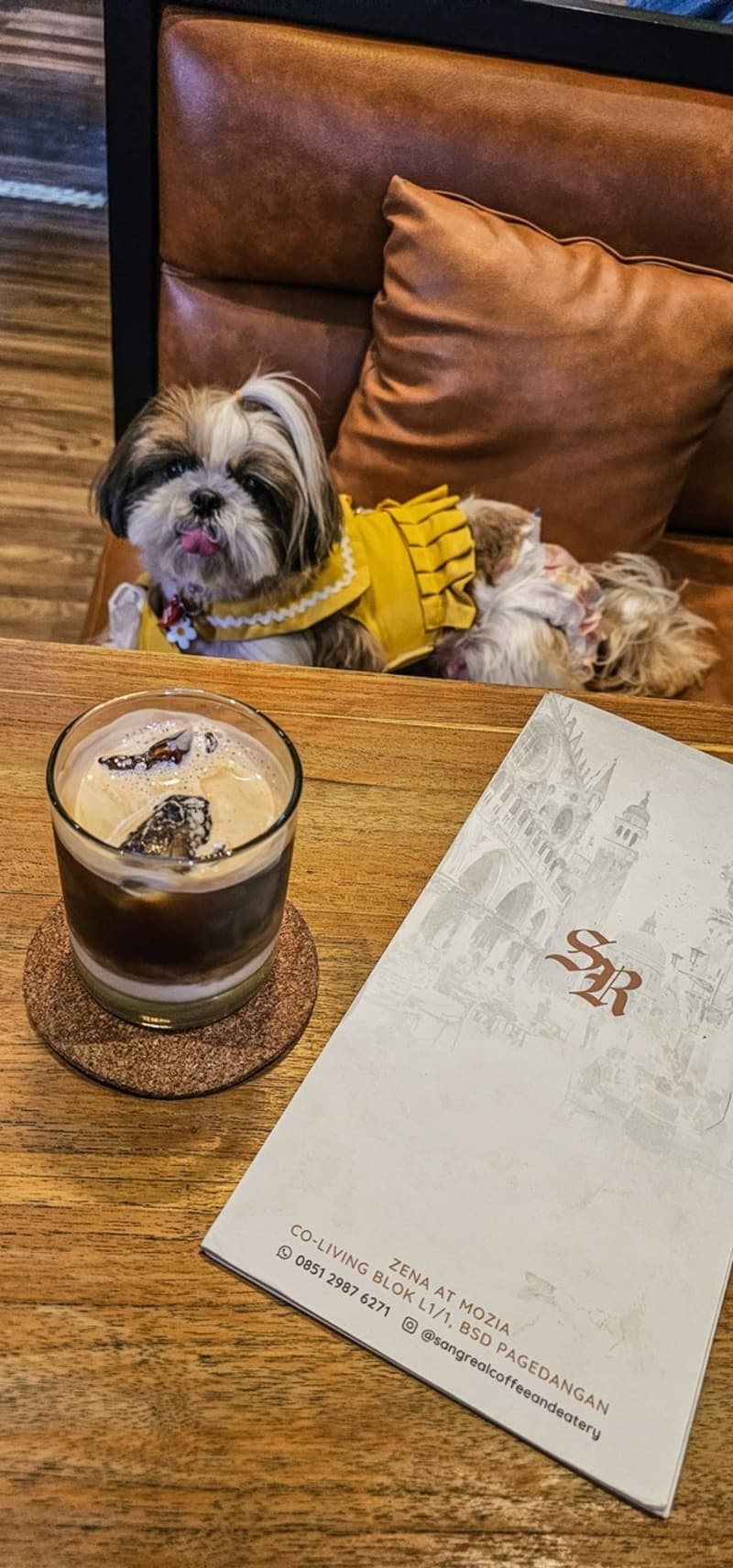
Where Pet Owners Feel Understood
Many of these businesses are started by people who genuinely love animals. Rather than simply opening another café in an already competitive market, they create spaces where pet owners feel understood and welcomed. These cafés often become gathering places for dog communities, pet influencers, and rescue organisations—hosting adoption drives, birthday celebrations, charity events, and weekend meet-ups. Their success comes not only from serving coffee but also from creating a sense of belonging.
The growth of pet-friendly cafés is also attracting academic interest. A recent business study published in Syntax Literate: Jurnal Ilmiah Indonesia identified pet cafés as part of Indonesia’s expanding pet industry, highlighting how combining cafés with services such as grooming, pet playgrounds, and retail can create sustainable business opportunities.
Another study by Airlangga University noted that increasing pet ownership has created demand for dedicated spaces where owners and their animals can spend time together, while also pointing to the importance of maintaining clear standards for hygiene, animal welfare, and customer safety. Those standards matter. Like any public space, pet-friendly cafés must cater to customers with different expectations. Cleanliness, responsible pet ownership, and considerate behaviour contribute to creating an enjoyable environment for everyone.
For Esther, an expat living near Jakarta, cleanliness is one of the first things she looks for when choosing a pet-friendly café.
“I regularly visit pet-friendly cafés with my two Shih Tzus: Chloe and Sophie,” she says. “Hygiene standards vary between cafés, so I usually look for places that maintain good cleanliness.”
Esther has also seen the trend gain momentum over the years and believes it is far from slowing down: “I believe pet-friendly cafés will continue to grow as the number of pet owners increases and awareness of pet wellbeing becomes stronger. More people are looking for places where they can spend quality time with their pets instead of leaving them at home.”
Her experience reflects what many urban pet owners are looking for: somewhere they can relax without feeling that their pets are unwelcome. Success in this business often depends less on the menu than on the community built around it. In the BSD City area in Tangerang, Esther has watched cafés develop loyal followings through pet owner networks.
“Pet owners are always searching for new pet-friendly places,” she explains. “People actively share recommendations and reviews in WhatsApp community groups and on social media, helping these cafés build a loyal customer base.”
Moreover, Esther believes the popularity of these cafés also reflects a broader cultural shift: “Pets are no longer seen as ‘just animals’. They are family members, loyal companions, and beloved fur kids. People are willing to spend more on quality food, healthcare, grooming, and accessories because they want the best for their pets. It reflects the deep emotional bond they share.”
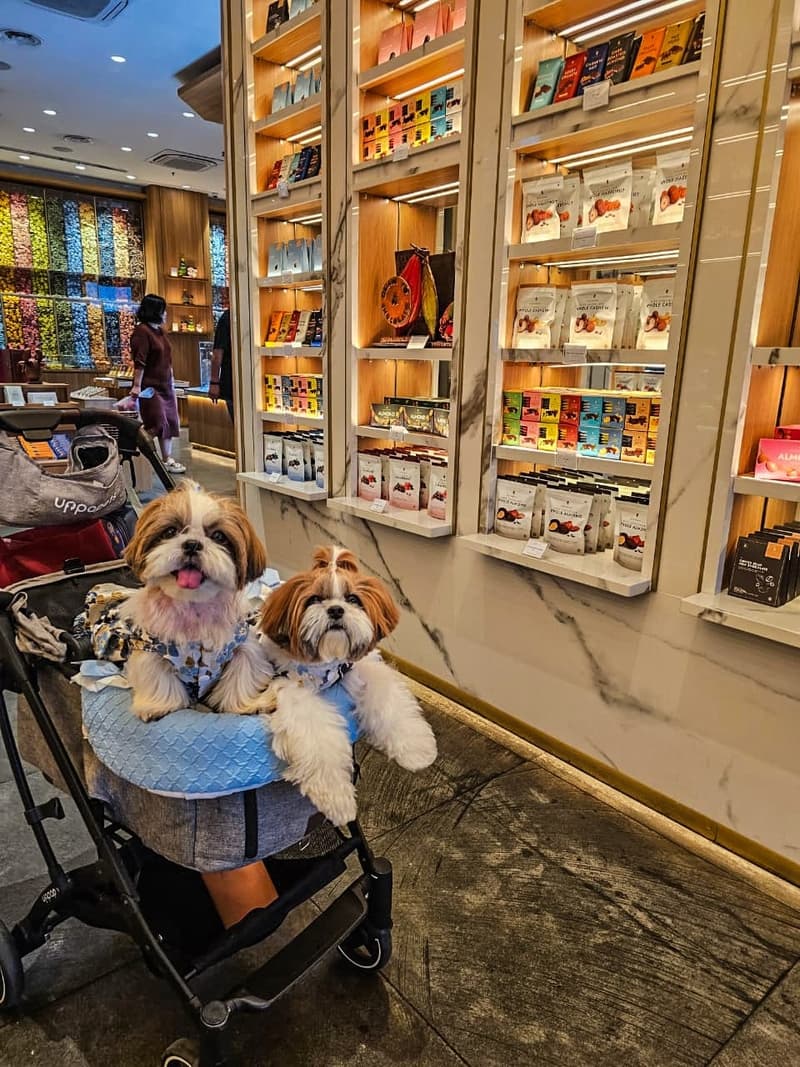
Welcoming, Relaxed, and Surprisingly Social
Unlike traditional cafés, where customers may simply have a meal and leave, pet-friendly cafés encourage people to stay longer. Conversations naturally begin when dogs greet one another, when fellow pet owners exchange training tips, or when pet owners recommend veterinarians and groomers. Many friendships are formed because of a shared love of animals.
The experience itself is quite different from that of an ordinary café. At pet-friendly cafés, friends would gather with their pets, celebrate birthdays, attend pet-themed events, and watch their dogs socialise while they enjoy coffee or lunch.
Esther’s favourite pet-friendly café is Gaise, which has branches in BSD City and Pantai Indah Kapuk (PIK).
“It has excellent food, a welcoming atmosphere, and staff who are genuinely friendly towards pets,” she says. “It has also become a gathering place where pet owners can meet, chat, and build a sense of community while their dogs safely interact and play together. That combination keeps me coming back.”
The atmosphere is noticeably livelier. There may be occasional barking or playful chasing between dogs, but these sounds become part of the café’s character rather than a disturbance. Conversations often revolve around pets’ personalities, health, training, and funny habits instead of work or daily routines. The result is an environment that feels welcoming, relaxed, and surprisingly social.
However, running a successful pet-friendly café is not without its challenges. Owners must balance the needs of pet lovers with those of customers who may feel uncomfortable around animals. They also need clear rules about vaccinations, leashes, waste disposal, and pet behaviour to ensure the safety of both people and animals.
Running a successful pet-friendly café takes more than simply welcoming animals. Cleanliness, responsible pet ownership, and a genuine commitment to animal welfare are key to creating a space where both pets and people feel comfortable.

The best pet-friendly cafés have become more than places to eat and drink. They are community spaces where owners and their pets can relax together. For Chloe and Sophie, a visit means treats, new friends, and plenty of attention. For their owner, Esther, it is a chance to unwind with fellow pet lovers—proof that pet-friendly cafés have become an important part of Indonesia’s evolving urban lifestyle.
All images are courtesy of Esther.