



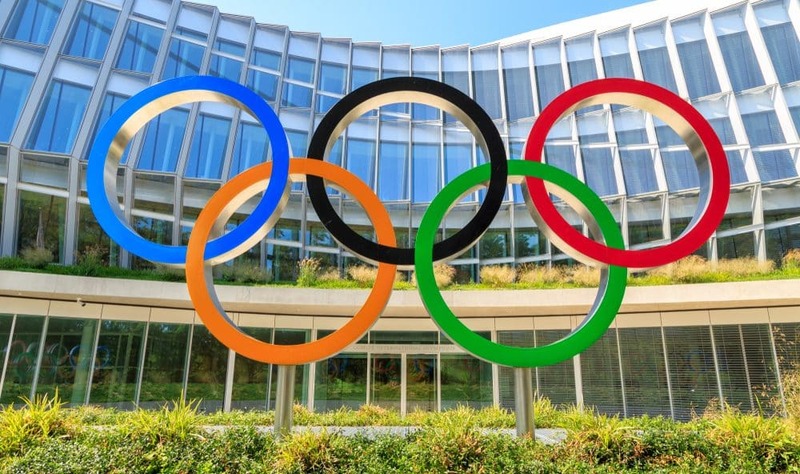
The International Olympic Committee (IOC) has recently decided to end any form of dialogue with the National Olympic Committee (NOC) of Indonesia after the government denied visas to Israeli athletes.
The IOC’s decision, as a result, may possibly thwart Indonesia’s chance to host future Olympic events and games.
The IOC’s decision followed Indonesia’s refusal to grant visas to the Israeli team that was supposed to compete in the 2025 World Artistic Gymnastics Championships, taking place from 19th to 25th October in Jakarta. The Indonesian government asserted that the decision was made as a form of protest against Israel’s military offensive on Gaza.
The Indonesian government’s stance, however, subsequently sparked strong criticism from the Israel Gymnastics Federation (IGF), which called it a dangerous precedent and highlighted the role of the International Gymnastics Federation (Fédération Internationale de Gymnastique or FIG) in addressing the case. Moreover, the IGF stated that they had previously received assurances that Israeli athletes would be allowed to compete in the championships.
One of the Israeli athletes affected is Artem Dolgopyat, the defending floor champion at the World Championships. Dolgopyat previously won gold at the 2020 Tokyo Olympics and silver at the 2024 Paris Olympics.
The Executive Board (EB) of the IOC, in its official statement, has therefore decided to end any form of dialogue with the National Olympic Committee (NOC) of Indonesia regarding the latter hosting future editions of the Olympic Games, Youth Olympic Games, Olympic events, or conferences, until the Indonesian government provides the IOC with adequate guarantees that it will allow access to the country for all participants, regardless of their nationality.
“All eligible athletes, teams and sports officials must be able to take part in international sports competitions and events without any form of discrimination by the host country, in accordance with the Olympic Charter and the fundamental principles of non-discrimination, autonomy and political neutrality that govern the Olympic Movement,” the IOC EB underscored their principled position in their statement, as published on their official website on Wednesday, the 22nd of October.
Furthermore, the IOC reiterates the importance of the principle of open access for all participants in international competitions.
“The IOC EB took the opportunity to remind all Olympic Movement stakeholders of the importance of free and unfettered access to the respective country for all participants to attend international competitions without restrictions,” the committee wrote as well.