




Eco-conscious batik artisans are increasingly turning to natural dyes as they are locally sourced as well as environmentally and health-friendly.
As we approach National Batik Day in Indonesia (the 2nd of October), this may be an ideal time to reflect on the significance of batik, a cultural masterpiece highly revered in Indonesia. UNESCO recognised it as an intangible cultural heritage on the 2nd of October, 2009, confirming batik as a technique, symbol, and culture deeply rooted in the identity of Indonesia, with profound philosophical values passed down from generation to generation.
Initially, batik was made using natural dyes. However, with the shift toward industrial production, chemical dyes—introduced through European trade—became common. During the Dutch occupation in Indonesia, batik relied heavily on imported cloth from Holland and chemical dyes from Germany. As purchasing power declined, chemical dyes became essential to sustaining the Javanese batik industry. Traders and producers went out of business, and natural dyes like indigo, sago, and noni plant were no longer viable due to limited supply and soaring prices.
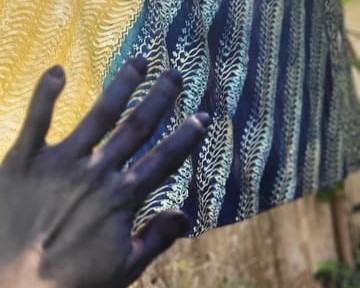
Over time, it became evident that the use of chemical dyes in batik production is neither sustainable nor environmentally friendly. The resulting water pollution, chemical waste, and inadequate waste management continued to harm communities and the environment. Swa Adinegoro, Curator of Museum Batik Indonesia, notes that in Pekalongan, a common belief once held that murky rivers signalled a thriving batik industry. This mindset contrasts sharply with today’s growing awareness of environmental preservation.
Now, artisans using chemical dyes face significant challenges, including the generation of toxic waste, high water usage, and limited recycling opportunities in small-scale operations.
For ‘green’-er batik
In 2023, the Indonesian government introduced Standar Industri Hijau Industri Batik (Green Industry Standards for the Batik Industry). These standards, which apply to businesses that produce batik using the wax-resist method, whether by hand, stamp, or a combination of both, aim to promote a greener, more sustainable batik industry. They encourage efficient resource utilisation and improved waste management, from raw material selection to waste disposal, and provide a framework for sustainable practices in the industry.
For most batik makers, including industries and small-scale artisans, using natural dyes is challenging because it requires them to relearn the process from scratch. The method has not been passed down to them by their parents and grandparents. As batik is also a large industry and a significant source of income for batik makers, they attempt to mitigate the use of chemical dyes by recycling the wax used and employing a wastewater processing cleaning system to recycle the water.
Awareness regarding waste management has been frequently raised. Innovations in waste processing equipment are also being undertaken, both by government institutions through the Indonesian Ministry of Industry and through student research projects.
Swa Adinegoro shares that a portable electrocatalytic device is available, providing evidence that a serious commitment to initiating real waste processing is, indeed, present. Unfortunately, the use of such equipment in the places he visited with his team showed that it is not widespread. The usage of Wastewater Treatment Plants (WWTPs) is also not widespread in Pekalongan and other parts of Java, despite the firm intention to reduce waste.

Swa Adinegoro has also personally visited some locations that have good waste management infrastructure. In Giriloyo Batik Village (Bantul, Yogyakarta), an association has a dedicated space for sales, workshops, and production, fitted with an advanced waste management system that automatically processes waste through filtration, sedimentation, and neutralising agents once the tank is full. A more basic, home-based version has also been found in Tuban. They have adapted a livestock waste disposal system with several modifications, as detailed in the book Gedhog Weaving in Tuban by Judi Achjadi & EA Natanegara.
In Yogyakarta, Agus Ismoyo and Nia Fliam, owners of the fine art batik studio Brahma Tirta Sari, since 1985 shared, “One of the pinnacles of their artistic process, as taught through the heritage creative process found in the traditional arts of Indonesia, is the vital connection to nature that is integral to the creative process. How to deal with the wastewater for all dyes, chemical and natural, has been part of a sense of responsibility to the earth.” After moving their studio to a former rice field, Bambang, Ismoyo’s cousin, designed a wastewater treatment system with the help of professors. It channels dye water through chambers with sand, charcoal, and broom fibres to absorb heavy metals, making the water clear and safer.
The resurgence of natural dyes
Eco-conscious batik artisans are increasingly turning to natural dyes. These dyes offer many benefits: they’re locally sourced, environmentally and health-friendly, support traditional practices, and open new business opportunities. While this method requires a return to conventional techniques, it has inspired the younger generation of artisans.
In Jakarta, Nurul Kartika, of Kartika Collection, is committed to using only natural dyes, sourcing pigments from plants like indigo (blue), secang and noni root (red), turmeric (yellow), mango skin (reddish-brown), tegeran leaves (brown), and sumba seeds (reddish-orange). In Yogyakarta, Nuri Hidayati, founder of Marenggo Batik, has used indigofera and mangrove fruit waste for natural dyeing since 2013. She also actively conducts workshops in Jakarta and Yogyakarta to educate others on eco-friendly batik practices.
In Pekalongan, Zahir Widadi, of Indigo Makers, owns an Indigofera plantation to produce indigo pastes, which he supplies to many batik artisans, encouraging them to use natural dyes. Zahir has been a consistent presence in the world of batik and was once the dean of the batik faculty at Pekalongan University. He is a firm believer in sustainable batik and assisted in formulating the Green Industry Standards for the Batik Industry. He has raised awareness on natural dyes locally and internationally by inviting experts, professors, students, and other textile enthusiasts to his workshops, where they can gain hands-on experience in producing natural-dyed batik.
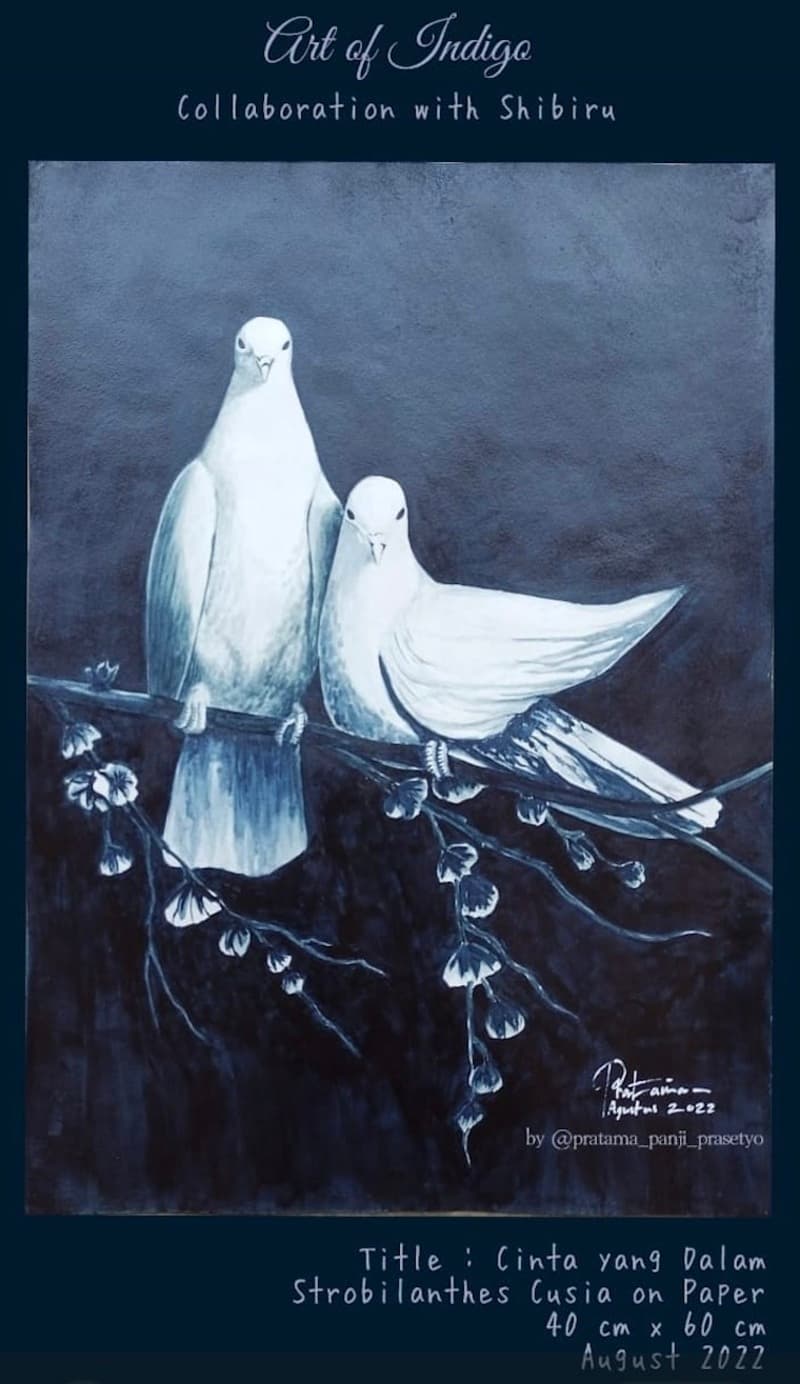
Fatah, the owner of Shibiru Indigo, is a dedicated batik artisan working with natural indigo dye and is fully committed to a zero-waste process. Based in Temanggung, Central Java, he produces his own indigo paste and finds creative ways to reduce, reuse, and recycle throughout his work. The leftover leaf sediment becomes fertiliser for vegetables or coffee plants, and water from the dyeing process is reused several times—local farmers even request it as a liquid fertiliser.
Myra Widiono, owner of Rumah Rakuji and Chairwoman of Perkumpulan Warna Alam Indonesia or WARLAMI (Indonesian Natural Colour Association), has played a vital role in promoting natural dyes and cultural preservation through workshops across Indonesia. Through WARLAMI, she has led workshops across 20 districts and 150 villages, including Pamekasan, Cirebon, and parts of Central Java. Their work focuses on reviving natural dye ecosystems while preserving cultural traditions.
Ultimately, these senior batik artisans, as well as young artisans out there, have continuously inspired other batik makers in the industry to reflect on and work towards saving the environment.