



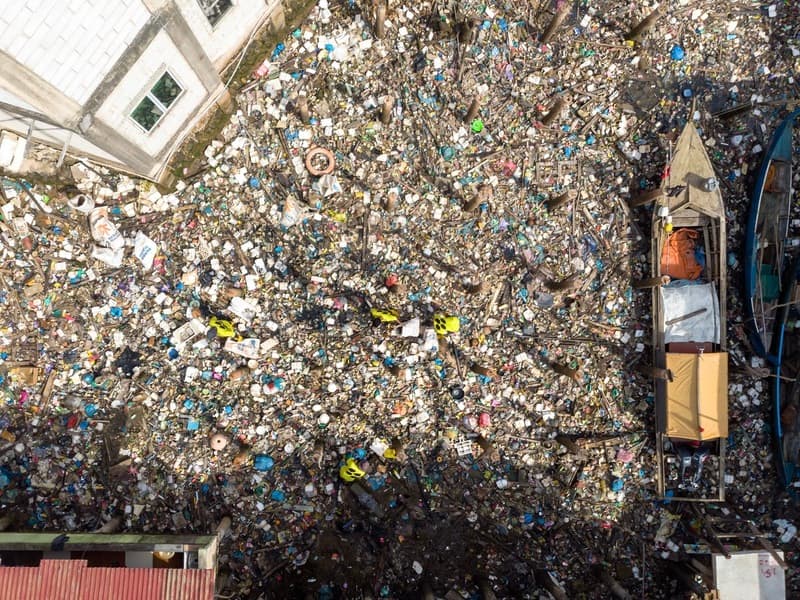
Ocean impact organisation Seven Clean Seas (SCS) has officially expanded its operations to Bali, Indonesia — one of the world’s most visible frontlines in the fight against ocean plastics.
Indonesia produces around 6.8 million tonnes of plastic waste annually, with an estimated 4.8 million tonnes mismanaged. A significant portion ends up polluting rivers and coastal waters. Bali, famed for its beaches, culture, and tourism, is often thrust into the global spotlight when tides of plastic litter its shores. The problem not only endangers marine ecosystems but also damages the island’s economy and reputation.
“Bali is more than a holiday destination. It’s a stark reminder of the urgency of the plastic crisis,” said Tom Peacock-Nazil, Founder and CEO of Seven Clean Seas. “What happens here is seen by the world, and that visibility makes Bali a powerful place to prove that real, scalable solutions exist.”
A track record of success
Since launching its first project in Bintan in 2020, followed by Batam in 2022, SCS has removed more than 5.5 million kilograms of plastic waste from Southeast Asian waters. Beyond environmental impact, the organisation has created secure, fairly paid jobs in a sector often dependent on informal labour. To date, nearly 19,000 people have benefitted from SCS programmes through employment, education, and healthcare support.
In 2024, SCS also expanded into Bangkok, addressing plastic leakage from the Chao Phraya River — Thailand’s most polluting waterway.
A new chapter in Bali: OTTER and Tanjung Benoa
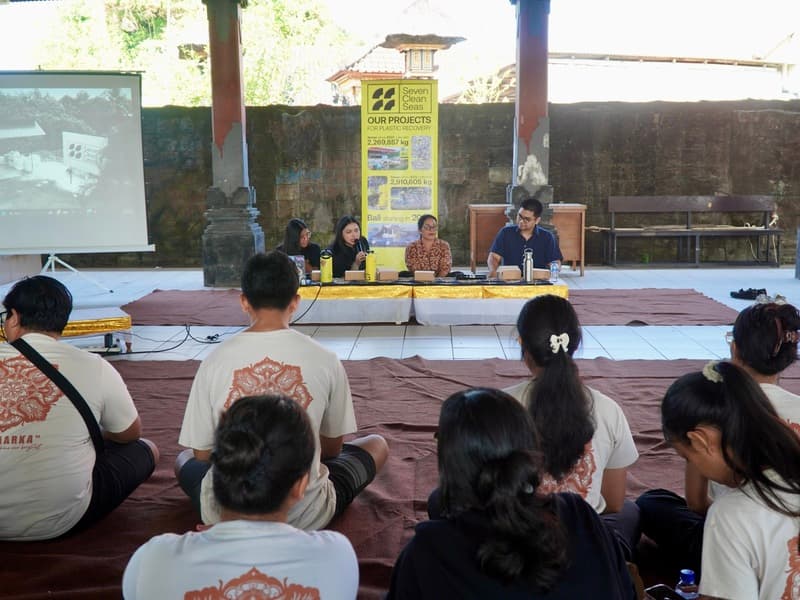
At the heart of the Bali project is OTTER (Offshore & Tidal Trash Extraction Rig), a purpose-built cleanup vessel operating daily along the Serangan–Benoa corridor on the island’s southern coast. Its role is to intercept plastic waste before it drifts further into the ocean.
Tanjung Benoa was selected as the primary focus site due to its combination of high exposure and high impact. The area’s busy coastline and convergence of rivers and drainage systems funnel significant waste into the sea. Crucially, its proximity to the TPS3R (Tempat Pengolahan Sampah dengan prinsip Reduce, Reuse, dan Recycle, or in English: Waste Processing Facility with the principles of Reduce, Reuse, and Recycle) facility in Desa Adat Tanjung Benoa provides an essential processing hub. Here, recyclables such as PET bottles and HDPE containers are channelled into Bali’s circular economy network, while non-recyclables are diverted into recovery loops to reduce landfill dependency in line with Indonesia’s national waste strategy.
The project is supported by close collaboration with local stakeholders and government bodies, including KSOP and the Related Development Authority, ensuring it aligns with Bali’s broader waste management framework for long-term sustainability.
Beyond cleanups: education and partnerships
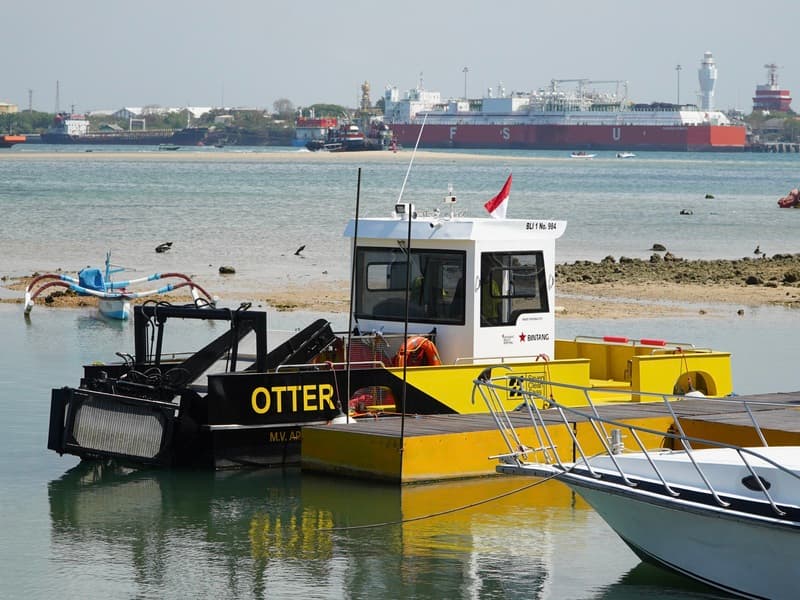
SCS is extending its mission beyond plastic collection by introducing youth workshops aimed at strengthening environmental awareness and inspiring long-term behavioural change.
The organisation has also partnered with Yayasan Sahabat Multi Bintang, the foundation arm of Bir Bintang, marking its first operational partner in Bali. This collaboration highlights the critical role of private sector support in sustaining environmental initiatives, complementing community involvement and government alignment.
Bali as a global symbol
For SCS, Bali represents more than a local intervention — it is a global symbol of both the urgency of the plastic crisis and the potential for transformative solutions that blend technology, community action, and international cooperation.
Peacock-Nazil concluded, “By bringing OTTER to Bali, we are not just cleaning the coastline. We are showing what can be achieved when you combine technology, community, and international collaboration.”
About Seven Clean Seas
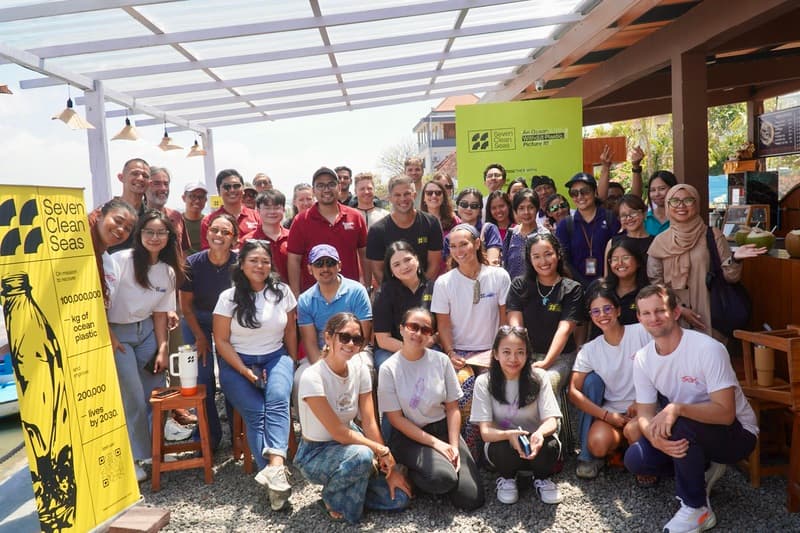
Seven Clean Seas is an ocean impact organisation with a mission to become the world’s largest preventer of ocean plastic pollution. Founded in Singapore in 2019 after beginning as a grassroots movement in 2018, the organisation develops innovative, sustainably financed solutions to remove plastic waste from the environment while creating social benefits through fair employment in heavily polluted coastal communities.