


Mayapada Healthcare has recorded two significant achievements in the development of its Orthopedic Centers in Jakarta and Surabaya.
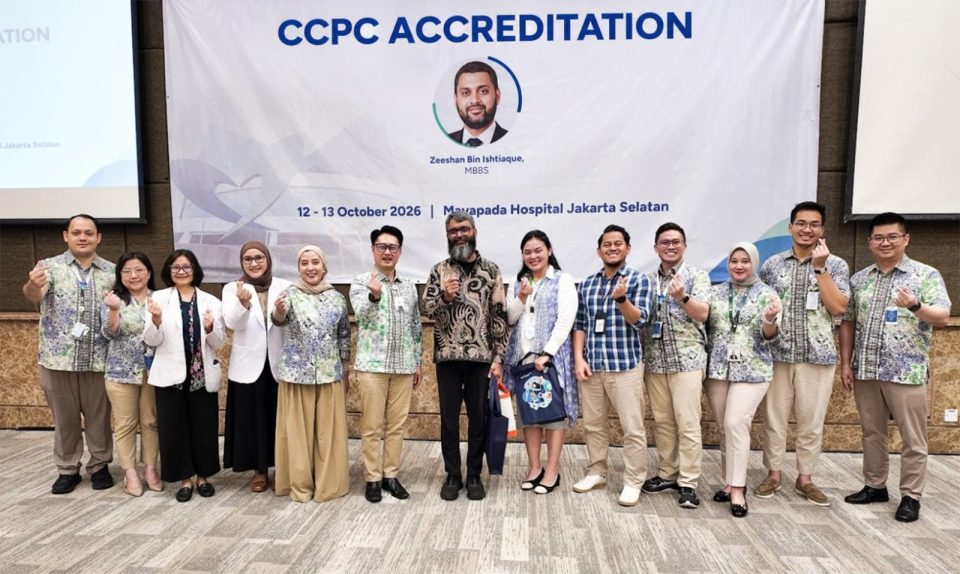
Mayapada Hospital Jakarta Selatan (MHJS) has successfully obtained Clinical Care Program Certification (CCPC) from Joint Commission International (JCI) for its Total Knee Replacement (TKR) surgery services. Meanwhile, Mayapada Hospital Surabaya (MHSB) has performed 100 VELYS™ robotic-assisted knee replacement procedures to treat various cases of knee joint damage since the technology was introduced in July 2025. All procedures are supported by the modern Enhanced Recovery After Surgery (ERAS®) protocol to promote a faster and more comfortable recovery for patients.
Chief Medical Officer of Mayapada Healthcare, dr. Dini Handayani, MD, MARS, FISQua, FIPC, stated that these two achievements demonstrate the continued strengthening of orthopaedic services across Mayapada Healthcare’s hospital network, encompassing clinical quality standards, the expertise and competence of medical professionals in following evidence-based protocols, and technological innovation.
“Delivering excellent orthopaedic services requires more than just advanced technology. Safety standards, surgical precision and recovery quality must go hand in hand. Through the achievements of Mayapada Hospital Jakarta Selatan and Mayapada Hospital Surabaya, we aim to ensure that the public has greater access to internationally standardised orthopaedic care, with safe, personalised treatment focused on patients’ quality of life,” explained dr. Dini.
Mayapada Hospital Jakarta Selatan (MHJS) has successfully obtained Clinical Care Program Certification (CCPC) from Joint Commission International (JCI) for its orthopaedic services, particularly Total Knee Replacement (TKR) procedures, making it the first hospital in Indonesia to receive this certification.
JCI is an international organisation that evaluates the quality and safety of healthcare services, while CCPC is a certification that assesses the quality of clinical programmes against international standards. These cover various aspects, from diagnostic accuracy and surgical planning to patient safety and post-operative recovery.
For patients, this certification provides assurance that every stage of TKR treatment at MHJS follows standardised clinical protocols based on evidence-based practice and focused on patient safety. This includes pre-operative preparation, surgery, post-operative care, rehabilitation and discharge, helping to minimise the risk of complications and ensure a more structured recovery process.
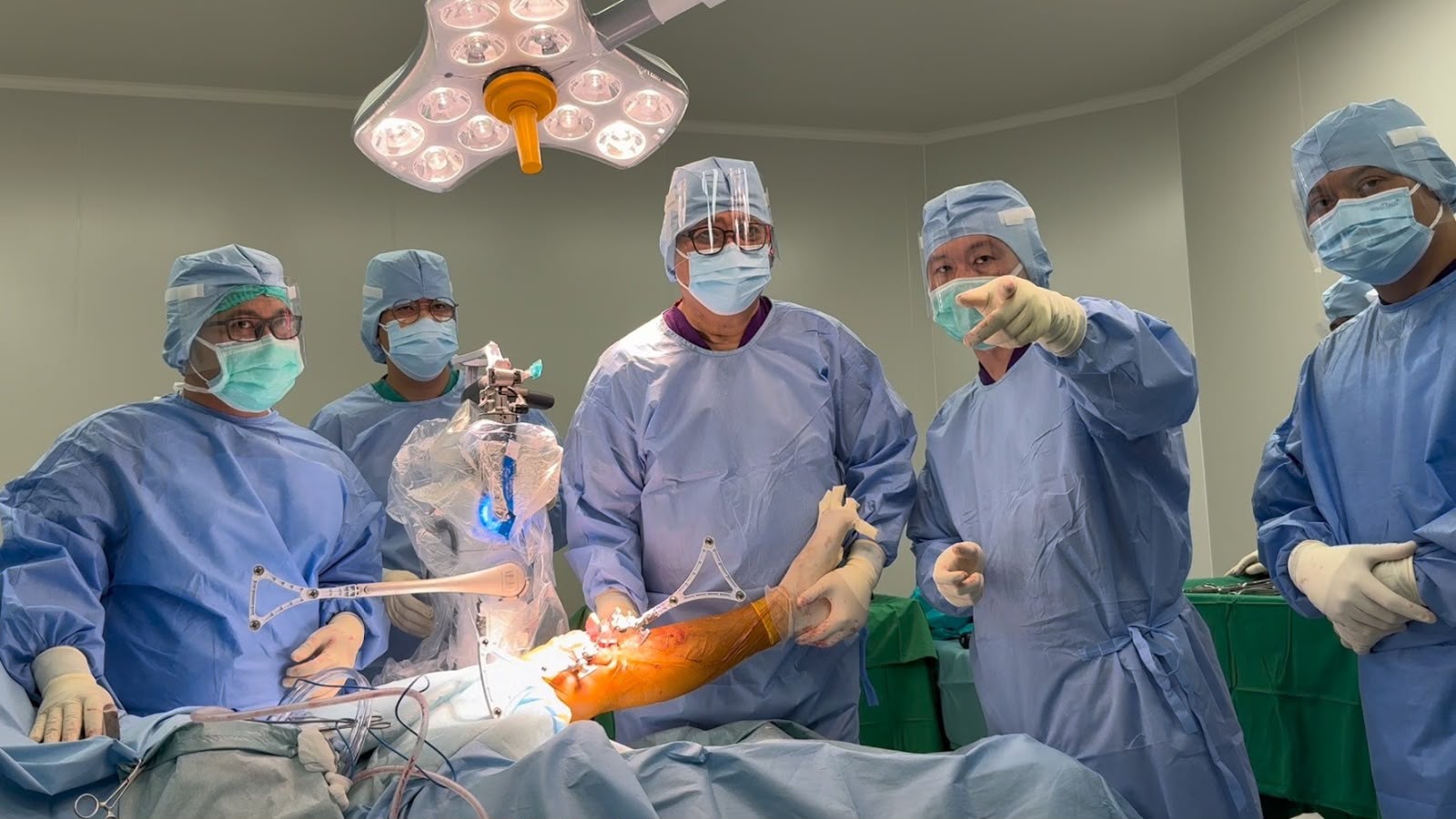
TKR services at MHJS are also supported by the CUVIS Joint Robotic System, which assists doctors in planning and performing knee replacement procedures with precision and a personalised approach tailored to each patient’s anatomy. By combining international standards, robotic technology and multidisciplinary teamwork, the MHJS Orthopedic Center delivers enhanced orthopaedic care through precise and personalised treatment, helping patients relieve pain, regain comfortable mobility and improve their quality of life.
In Surabaya, Mayapada Hospital Surabaya (MHSB) became a pioneer in performing the first advanced Total Knee Replacement (TKR) procedure in East Java and Eastern Indonesia using VELYS™ technology (VELYS™ Robotic-Assisted Solution) in July 2025.
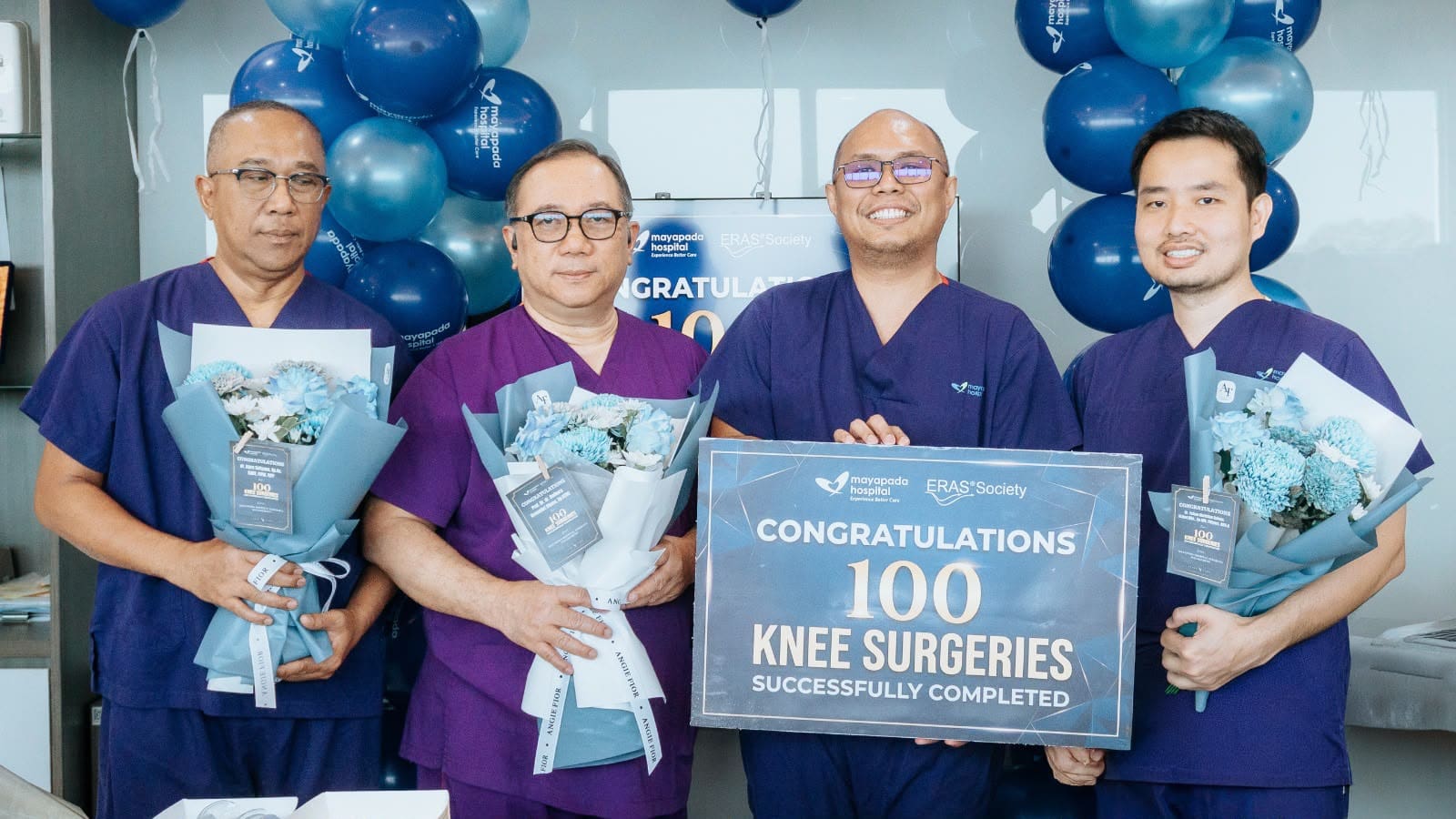
By October 2026, MHSB had successfully performed 100 robotic-assisted knee replacement procedures using VELYS™ technology. These included both Total Knee Replacement (TKR) and Unicompartmental Knee Arthroplasty (UKA), a procedure to replace only the damaged compartment of the knee joint.
All procedures are supported by the ERAS® protocol, which complements the precision of robotic surgery with a standardised recovery approach, enabling patients to return to walking and their daily activities more quickly and comfortably.
MHSB is the first hospital in Indonesia to obtain ERAS® certification for TKR procedures performed using the VELYS™ Robotic-Assisted Solution. The certification was achieved in just five months, significantly faster than the ERAS® implementation process, which typically takes up to 10 months. This achievement highlights the capabilities of MHSB’s multidisciplinary team in consistently implementing standardised recovery protocols.
Prof. Dr. dr. Dwikora Novembri Utomo, Sp.OT, Subsp. P L (K), explained that combining robotic technology with ERAS provides a more comprehensive approach for patients requiring knee replacement surgery.
“Precision surgery is the first step, but true success is also reflected in how patients regain their mobility. Robotic technology helps us perform procedures with a more personalised approach tailored to each patient’s knee anatomy, while the ERAS protocol supports pain management and early mobilisation. With this approach, patients can recover more comfortably and return to their daily activities sooner. In fact, they may be able to return home in less than two days after surgery,” explained Prof. Dwikora.
Robotic knee surgery supported by the modern ERAS protocol at MHSB involves a multidisciplinary team led by Prof. Dr. dr. Dwikora Novembri Utomo, Sp.OT, Subsp. P L (K), alongside dr. Agus Setiyana, Sp.An, who oversees anaesthesia and pain management, and dr. Yohan Christian Suisan, Sp.KFR, M.Ked.Klin, who is responsible for medical rehabilitation.
Through this approach, patients can begin moving sooner after surgery and benefit from shorter hospital stays. Depending on the patient’s condition, procedures can also be performed without the use of a urinary catheter or a tourniquet to restrict blood flow, making the recovery process more comfortable.
“Reaching 100 knee procedures is not simply a numerical milestone. It demonstrates our medical team’s ability to deliver precision surgery alongside standardised recovery, while also reflecting growing patient confidence. Through all Mayapada Hospital units, Mayapada Healthcare will continue to strengthen its Orthopedic Centers through technological innovation, improvements in medical team competencies and the implementation of evidence-based clinical standards, including for the treatment of complex cases.
“We want more Indonesians to have access to advanced orthopaedic services that meet international standards without having to travel overseas, enabling patients to regain comfortable mobility, return to their daily activities and enjoy a better quality of life,” concluded dr. Dini.