



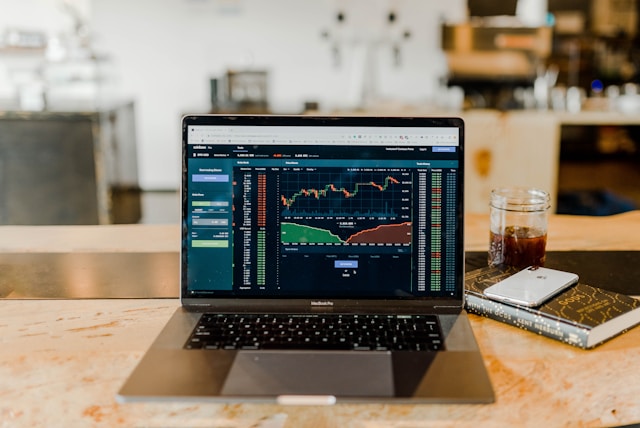
Indonesia’s been catching up fast in the world of online finance, and forex is one of the biggest magnets. It’s not just in Jakarta or Bali — people from all over the country are trying to learn how charts move, how currency pairs work, and how to make something out of it. It’s become more than a side hustle; for many, it’s a daily habit.
But the scene is not as simple as it looks. Behind every buy-sell click, there’s a mix of curiosity, risk, and the hunt for better options. It’s not about getting rich overnight — though some still chase that idea — it’s more about exploring a space that’s open 24/5 and always in motion.
Why It Grew So Fast
A few years back, trading felt like something far away. Complicated charts, strange platforms, and all that talk about pips and spreads — not exactly beginner-friendly.
Now? Social media, mobile apps, and YouTube tutorials changed the game. Everyone knows someone who trades, or at least has tried. The conversations moved from tech forums to coffee shops. Suddenly, forex doesn’t feel so “international” anymore — it’s local, it’s daily.
Part of the appeal is the accessibility. Some platforms let you start with just a few dollars. Add that to fast internet and a smartphone, and boom — you’re in the game. No need for suits or financial degrees.
Local Needs, Local Brokers
Still, the local context matters a lot. Global platforms might have the tech, but not all of them understand how payments work in Indonesia, or how to handle support when someone reaches out in Bahasa. That’s where the need for a forex broker Indonesia shows up. It’s not just about low spreads or leverage — it’s about feeling like the platform gets how things work on the ground.
For example, not everyone here uses credit cards or international wire transfers. Some prefer e-wallets, local banks, or even cash agents in smaller cities. If a broker ignores that, they miss out on thousands of potential users.
Also, regulations and trust play a role. Indonesian traders often want some kind of local reassurance. Not everyone wants to deal with a broker based 12 time zones away when there’s an issue. Something closer feels safer, even if the service is the same.
Challenges Still Exist
Let’s be real — the forex world isn’t all sunshine. Scams still happen. People jump in too fast, get burned, and leave with a bitter taste. That’s why trading education is a huge deal now. Forums, Telegram groups, even TikTok accounts — everyone’s trying to decode the market in their own way.
And while some people really dig into technical analysis or economic calendars, others just want something simple. They’re not trying to be full-time traders — they just want to see if this can work for them.
That mix of motivations is what makes the market here so unique. Some are in it for the thrill, some for long-term gains, some just curious.
Small Steps That Matter
One cool thing is that most traders here didn’t start with a full plan. They tried things out, made mistakes, learned from bad entries or overtrading. It’s part of the process.
A lot of growth comes from chatting with others. Maybe someone posts a screenshot of a good setup. Maybe someone else shares a story of a blown account. And that kind of peer learning? It’s more valuable than most e-books out there.
Forex isn’t taught in school, but it’s slowly becoming part of daily conversations — in dorms, in small offices, even between friends who used to just talk about sports or tech.
Visit this page if you’re curious where this wave is heading next.