



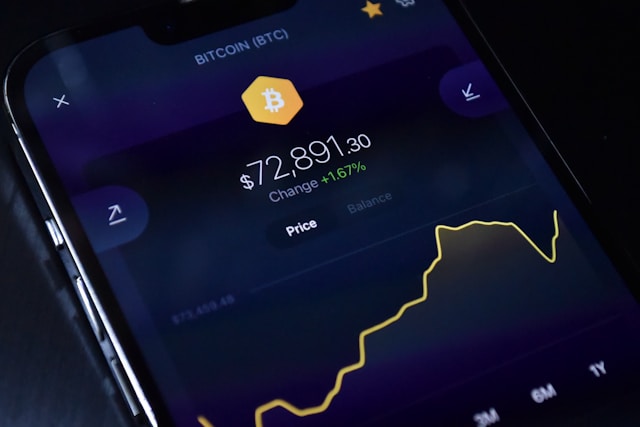
A crypto wallet is no longer just a place to hold digital assets. For many users, it has become a daily tool for receiving funds, sending transfers, checking balances, exchanging coins, and managing stablecoins from a phone.
The Trustee plus wallet is one example of how modern crypto wallets are moving beyond simple storage. It combines wallet functionality with in-app exchange, crypto purchases, fast transfers, security tools, card features, and other options that make digital assets easier to use in everyday life.

What Makes a Crypto Wallet Practical?
A practical crypto wallet should help users manage digital assets without unnecessary complexity. It should be easy enough for beginners, but functional enough for people who use crypto regularly.
The basic function of any wallet is storage. Users need a place to keep their coins and tokens, receive transfers, and send funds when needed. However, storage alone is often not enough anymore.
Many users also want to exchange assets, check rates, buy crypto, use stablecoins, or separate spending from long-term holding. This is why modern wallets increasingly include additional tools that make crypto easier to use from one interface.
A good everyday wallet should be clear, secure, and flexible. Users should understand where their funds are, which assets are supported, and what will happen before they confirm any transaction.
Hot Wallets vs Cold Wallets
Crypto wallets are often divided into hot wallets and cold wallets.
A hot wallet is connected to the internet and is usually available through a mobile app, desktop app, or browser extension. It is convenient for regular transactions, quick access, and everyday crypto management.
A cold wallet is kept offline and is usually used for long-term storage. It can be more suitable for holding larger amounts because it is less exposed to online risks.
For many users, both types can be useful. A cold wallet may be better for long-term savings, while a mobile wallet is more practical for daily operations.
An everyday crypto wallet does not have to replace cold storage. Its role is different. It helps users manage the part of their crypto they want to access, exchange, send, or use more regularly.
Key Features of an Everyday Crypto Wallet
Clear Asset Management
A wallet should make it easy to see balances, supported coins, transaction history, and available networks. Users should not have to guess where their funds are or how to access them.
Clear asset management is especially important for beginners, but it also matters for experienced users who manage several assets at once.
Sending and Receiving Crypto
Sending and receiving crypto should be simple and safe. The app should show the asset, amount, network, address, and final details before confirmation.
Since crypto transfers are often irreversible, users should always check all details carefully. A good wallet helps reduce mistakes by making the process clear.
In-App Exchange
Many users need to exchange one asset for another. For example, they may want to swap crypto into stablecoins, exchange one stablecoin for another, or convert funds before sending them.
An in-app exchange feature makes this easier because users do not need to transfer funds to another platform for every swap.
Buying Crypto
For beginners, buying crypto should be straightforward. If a wallet supports crypto purchases with Visa and Mastercard, users can enter the market through a familiar payment method.
This can be more convenient than using a separate exchange, especially for people who are just starting.
Stablecoin Support
Stablecoins such as USDT and USDC are often useful for everyday crypto management. Their value is more predictable than highly volatile assets, which makes them practical for transfers, exchanges, and card-related spending.
A good wallet should support the stablecoins and networks users actually need.
Security and Privacy Tools
Security is essential for any wallet. Useful features may include two-factor authentication, biometric login, passcodes, and additional protection for sensitive actions.
Some wallets also include privacy-focused options, such as hidden sub-accounts or separate access methods. These tools can help users manage assets with more control.
Why Wallets Are Becoming More Than Storage
The way people use crypto has changed. Many users still hold assets as an investment, but others use crypto more actively.
They may receive payments in crypto, hold stablecoins, exchange assets, send funds to friends, or use a crypto card for online purchases. In these cases, a basic storage wallet may not be enough.
Modern wallets are becoming closer to financial apps. They combine storage, transfers, exchange, purchase options, security tools, and sometimes card functionality.
This does not mean every wallet should become a full trading platform. Most users do not need advanced order books or complex charts for everyday actions. What they need is a simple way to manage common crypto tasks.
What to Check Before Choosing a Wallet
Before choosing a crypto wallet, users should check several practical details.
First, they should look at supported assets and networks. If they use USDT, USDC, BTC, ETH, SOL, or other specific coins, the wallet should support them.
Second, they should check how transfers work. The app should clearly show the network, recipient, amount, and transaction status.
Third, users should review exchange options. If they want to swap assets often, in-app exchange can save time.
Fourth, they should check security features. A wallet should protect access to funds and provide strong account protection.
Fifth, users should consider extra tools. Price alerts, transaction filtering, fast transfers, card features, and referral programmes may make the app more useful depending on their needs.
Trustee Plus Wallet as a Practical Example
Trustee Plus is an example of a mobile wallet built for everyday crypto management. It supports crypto storage, in-app exchange, crypto purchases with Visa and Mastercard, transfers, card functionality, and additional tools for convenience.
Users can work with 30+ coins and popular networks or methods such as TRC20, ERC20, SOL, and NEAR. Transfers by phone number can make sending crypto easier, while Swipe to Send allows quick transfers to nearby Trustee Plus users without addresses or QR codes.
The app also includes useful wallet tools such as price-change alerts and transaction filtering. Alerts help users follow market movements without constantly checking charts, while filtering makes it easier to find top-ups, exchanges, card payments, referral rewards, and other operations in transaction history.
Security features include multi-level two-factor authentication, biometric access methods like Face ID, decentralised security protocols, and a Secret PIN option for hidden sub-accounts.
The Trustee card adds a payment option for users who want to spend crypto value, while the referral programme allows users to earn up to 45% of the fees from invited users’ exchanges.
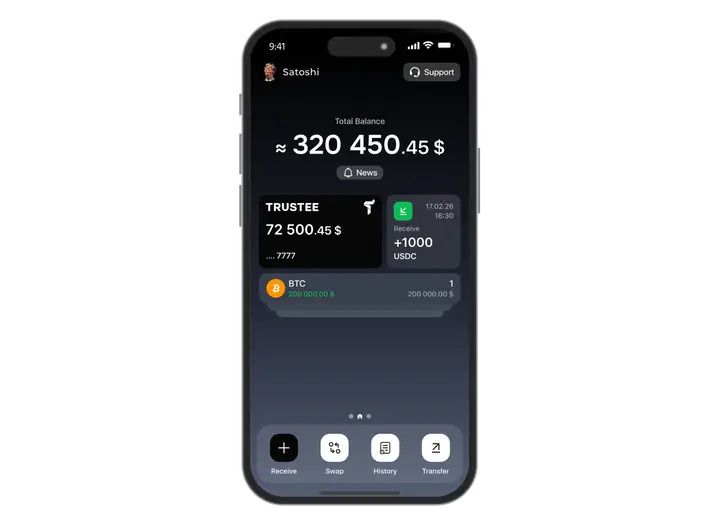
How to Install Trustee Plus Wallet
Installing Trustee Plus takes only a few minutes.
- Download and install the Trustee Plus crypto wallet from the official app store.
- Register using a phone number, Apple ID, Google account, passkey, or Telegram.
- If you register with a phone number, confirm it via a phone call or SMS.
- Enter the remaining details and start using the app.
After setup, users can access the wallet, exchange tools, transfers, crypto purchases, card features, alerts, transaction history, and referral programme.
Tips for Using a Crypto Wallet Safely
Users should download wallet apps only from official sources. Fake apps and phishing links are common risks in crypto.
It is also important to enable available security features, such as two-factor authentication, biometric access, and passcodes.
Before sending crypto, users should check the asset, network, recipient, and amount. A small mistake can lead to lost funds.
For larger amounts, users may consider keeping long-term holdings in cold storage and using a mobile wallet only for regular transactions.
Users should also review exchange rates before swaps and check transaction history to keep better control over their activity.
Final Thoughts
The best crypto wallet for everyday use should do more than store coins. It should help users send, receive, buy, exchange, and manage digital assets from one clear and secure mobile interface.
For many users, convenience matters as much as functionality. A wallet that combines simple transfers, stablecoin support, in-app exchange, security tools, and useful extras can make crypto much easier to use.
Trustee Plus wallet is a practical example of this approach. It brings together wallet, exchange, purchase, transfer, card, security, alert, and referral features in one app, making it useful for people who want to manage crypto regularly from their phone.