



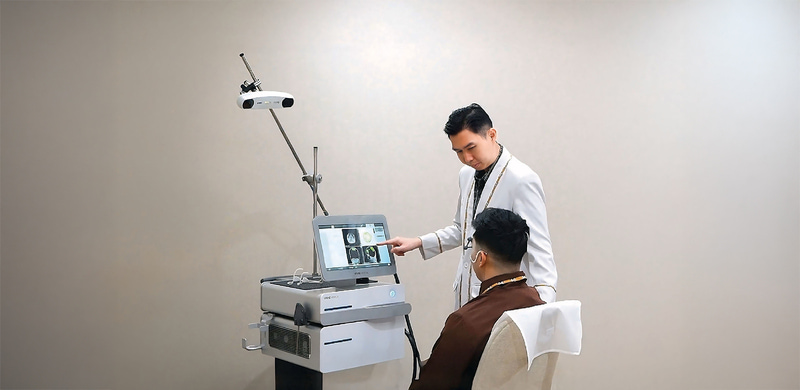
Experts highlight the importance of early prevention and innovative, non-invasive therapies to support long-term brain health.
Amid increasingly complex work demands—such as mounting deadlines, packed meeting schedules, and constant smartphone notifications—many individuals in their 30s and 40s are beginning to experience cognitive complaints. These may include forgetting which application they intended to open, difficulty maintaining focus when reading longer texts, or feeling that their thinking has become slower or less sharp than before.
Such conditions are often perceived merely as the result of work-related fatigue. However, in some cases, these symptoms may represent early signs of declining cognitive function and an increased risk of dementia, which can begin during the productive years and potentially worsen over time if not recognised and addressed appropriately.
The World Health Organization (WHO) reports that approximately 55–57 million people worldwide are living with dementia, with nearly 10 million new cases each year. These figures highlight that dementia is a serious and progressive global health challenge. Therefore, early prevention and intervention are essential steps in maintaining memory, focus, and mental clarity over the long term.
As medical technology continues to evolve, non-invasive approaches are increasingly playing an important role in strategies to support brain health. One such approach is Transcranial Pulse Stimulation (TPS), a modern brain stimulation method designed to support cognitive function and neuronal connectivity as part of a long-term brain health strategy.
A Non-Invasive Solution to Support Brain Health
Transcranial Pulse Stimulation (TPS) is a non-invasive brain stimulation therapy that uses low-energy, focused mechanical waves to stimulate specific areas of the brain. This technology is designed to help:
- support the brain’s neuroplasticity processes
- increase blood flow to brain tissue
- support nerve cell functions involved in memory, concentration, and overall cognitive ability
Unlike invasive medical procedures, TPS is performed without surgery and is generally well tolerated. This approach makes TPS relevant not only for individuals experiencing cognitive decline, but also as part of a long-term brain health strategy for those who wish to maintain optimal brain performance.
Maintaining Brain Connectivity for Better Cognitive Function
According to Dr Febby Astari, IFMCP, a functional medicine practitioner at Seraphim Medical Center, Paramount Gading Serpong, cognitive decline is not only associated with nerve cell damage, but also with disrupted communication between neurons.
“In conditions such as dementia or cognitive decline, it is not only the nerve cells that are affected, but also the communication between neurons. Transcranial Pulse Stimulation works by stimulating specific areas of the brain to help improve this connectivity, so that cognitive function can be maintained for longer,” explained Dr Febby.
She added that TPS services are not intended solely for patients with cognitive disorders, but can also be used as a preventive measure against memory decline and dementia.
“Modern medical approaches no longer wait until someone becomes seriously ill. TPS can form part of a brain health programme for individuals from productive age through to older adults who wish to maintain memory, focus, and clarity of thought,” she added.
TPS Services at Seraphim Medical Center
Recognising the significant potential of this therapy, Seraphim Medical Center offers Transcranial Pulse Stimulation (TPS) as part of its integrative medical approach. Currently, TPS remains a medical technology with very limited availability in Indonesia. Seraphim Medical Center is the first private medical centre in the country to provide this service.
Seraphim Medical Center offers comprehensive services for dementia management, including:
- TPS therapy
- nutritional optimisation
- healthy lifestyle management
- stress management
- metabolic health evaluation
- a personalised functional medicine approach
This integrated approach allows each patient to receive a programme tailored to their individual needs and conditions, with the aim of maintaining long-term brain function.
“The most important thing is to view brain health holistically. A healthy brain requires proper stimulation, good nutrition, quality sleep, and effective stress management. TPS is here as one of the health services to support that process,” said Dr Febby.