



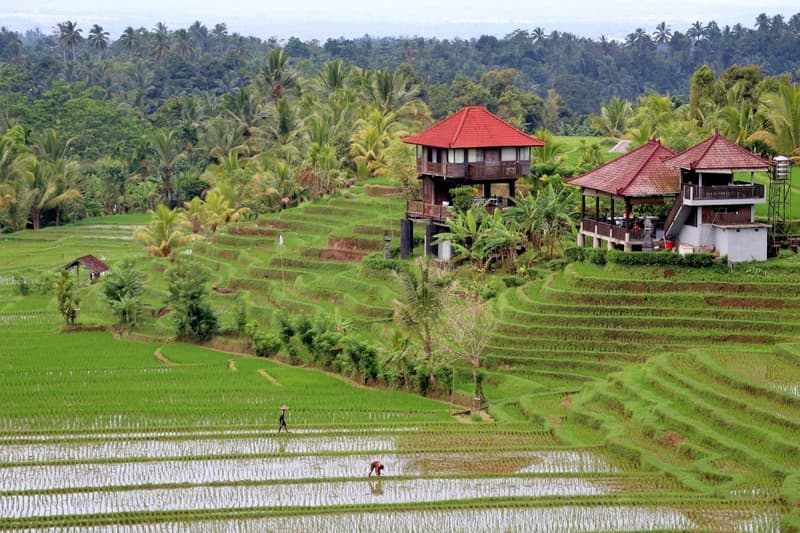
For years, luxury in Bali was easy to define. Infinity pools. Polished concrete. Floor-to-ceiling glass. Sunset views over the Indian Ocean in Canggu or Uluwatu.
But in 2026, something fundamental has shifted. Luxury in Bali is no longer just about design. It is about structure. Not visual structure—legal structure. Operational structure. Regulatory alignment. Governance discipline. Sustainability that actually works. And the investors who understand this shift are the ones positioning themselves for long-term success.
The Market Is Maturing—Quietly
There are no dramatic new laws rewriting the rulebook. But enforcement has intensified. Systems are integrating. Cross-checking is increasing. The era of “it works on paper” is fading.
Indonesia’s OSS Risk-Based Licensing system under Government Regulation 28/2025 has deepened data interoperability between tax, corporate registration, zoning and sectoral approvals. What once sat in separate silos is now increasingly visible across platforms.
This is not regulatory aggression. It is market maturation. For serious capital, this is good news.
Paper Compliance vs. Real Protection
One of the biggest misconceptions in Bali’s property sector is the difference between documentation and durability.
On paper, many projects appear compliant:
- A PT PMA established;
- A notarial deed completed;
- A lease agreement signed;
- A building permit obtained.
But structure is not about assembling documents. It is about alignment. Alignment between:
- Zoning and actual operational use;
- Klasifikasi Baku Lapangan Usaha Indonesia (KBLI) classification and business activity;
- Corporate structure and licensing eligibility;
- Tax exposure and revenue model;
- Ownership structure and beneficial control.
The gap between what looks acceptable at purchase and what survives enforcement scrutiny is where risk lives. And enforcement rarely happens at the transaction stage. It surfaces later—during audits, inspections, tax reviews or operational disputes.
By then, adjustment is costly.
The End of Shortcut Investing
Between 2020 and 2024, Bali experienced a speculative wave driven by:
- Social media investment narratives;
- Short-term rental hype;
- Simplified “set up a company and operate” messaging;
- Nominee misunderstandings;
- Assumptions about PT PMA flexibility.
Much of that narrative ignored a basic principle: Indonesia is a regulated market.
Foreign ownership structures are clearly defined under Indonesian law. PT PMA entities are investment vehicles, not always operational hospitality vehicles. Zoning determines activity. Licensing determines revenue eligibility.
What has changed recently is not the law, but its enforcement. Short-term rental operations that once operated loosely are facing scrutiny. Tax reporting is cross-referenced. Corporate compliance is no longer optional. The market is not closing.
It is filtering.
Why Structure Is the New Luxury
In the current climate, sophisticated investors are asking different questions. Not: “What is the projected ROI?” But: “Is this sustainable under enforcement?”
Luxury now means:
- Zoning clarity confirmed before land acquisition;
- Licensing readiness assessed before construction begins;
- KBLI classification mapped correctly to the intended use;
- Tax structure modelled conservatively;
- Domestic operational vehicles properly integrated where required;
- Environmental impact addressed early—water, waste, power.
In short: viability beyond aesthetics. And this shift is reshaping buyer behaviour.
Tourism Growth—but Smarter Capital
Bali’s tourism numbers continue to grow steadily. International arrivals are rising year-on-year. Hotels, particularly well-managed mid- to high-end properties, continue to perform.
But tourism growth alone does not protect poorly structured projects. The next phase of capital entering Bali is more institutional, more cautious and more governance-driven.
Investors today increasingly prefer:
- Fewer units, better quality;
- Eco-aligned design;
- Authentic Balinese architecture;
- Operational clarity over speculative yield.
This is particularly visible in emerging high-end eco destinations such as Tabanan’s highlands and parts of North Bali, where space, water security and long-term positioning matter more than density.
The market is not contracting. It is recalibrating.
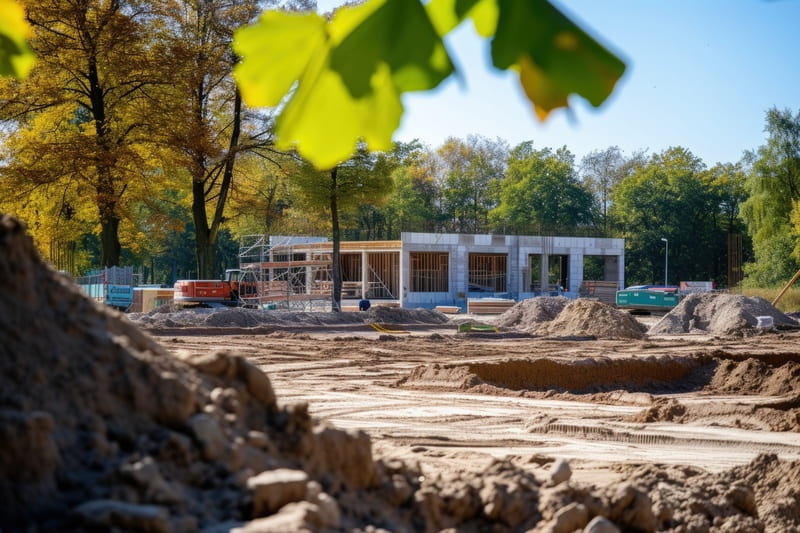
Residential Tourism: The Quiet Driver
One under-discussed trend is the rise of ‘residential tourism‘. Long-stay visitors—three to six months—such as digital entrepreneurs, hybrid-lifestyle investors and semi-retired professionals are changing demand patterns.
They are not looking for:
- Party districts;
- High-density builds;
- Quick-flip units.
They want:
- Nature;
- Stability;
- Infrastructure;
- Legal certainty;
- Clean water systems;
- Proper waste management.
For this segment, structure is not an afterthought. It is the foundation.
Where Value Is Created—or Destroyed
From a regulatory and operational perspective, value is often created or destroyed before the first guest arrives.
Destroyed when:
- Zoning is misinterpreted;
- Licensing is assumed rather than verified;
- Corporate governance is informal;
- Tax exposure is underestimated;
- Environmental impact is ignored.
Created when:
- Due diligence includes zoning alignment and spatial planning review;
- Licensing strategy is mapped before capital deployment;
- Operational vehicles are structured correctly (often involving domestic PT Penanaman Modal Dalam Negerior PMDN integration where appropriate);
- Governance standards are implemented early;
- Sustainable systems are integrated into design.
The difference between the two paths rarely shows in marketing brochures. It shows three years later.
Sustainability is Now Structural
Sustainability in Bali is often discussed visually—bamboo, greenery, open design.
But structural sustainability is deeper:
- Water sourcing strategy;
- Wastewater treatment compliance;
- Power supply reliability;
- Flood mitigation;
- Community integration;
- Banjar alignment.
The premium end of the market is increasingly aware that ecological negligence carries operational risk. Eco alignment is no longer branding.
It is risk mitigation.

A Dividing Line in 2026
Bali is not entering a downturn. It is entering a separation phase. On one side: speculative builds, loosely structured, reliant on optimistic projections. On the other side: disciplined developments, governance-aligned, operationally sustainable, legally structured. The latter may grow more slowly, but they will endure. And in an island economy where land is finite, and enforcement is increasing, endurance is the ultimate asset.
Final Thought
In Bali 2022, luxury was visible. In Bali 2026, luxury is invisible. It is the zoning map reviewed before signing. It is the licensing matrix completed before construction. It is the tax exposure modelled conservatively. It is the governance structure that survives scrutiny. It is the sustainability system that protects water and the community.
The island has always rewarded beauty. Now it rewards discipline. And in today’s Bali market, structure is the new luxury.
In today’s Bali market, structure determines success. Contact Seven Stones Indonesia at: hello@sevenstonesindonesia.com for guidance that protects your investment from day one.