




Daily activities are becoming increasingly difficult to separate from screens. From working at a computer and communicating via smartphones to enjoying entertainment, studying and exercising with the help of digital devices, screen use has become an integral part of everyday life. With screen time on the rise, eye health is becoming increasingly important, even before any vision problems develop.
This issue takes centre stage on World Sight Day 2026, observed on the 8th of October under the global #LoveYourEyes campaign. The campaign serves as a reminder to pay greater attention to eye health and take preventive measures early, particularly in the digital era, when everyday activities are increasingly intertwined with the use of digital devices.
This is all the more relevant because vision impairment remains a global health concern. The World Health Organization (WHO) estimates that at least 2.2 billion people worldwide have near or distance vision impairment, with at least 1 billion experiencing vision impairment that could have been prevented or has yet to be adequately addressed, for example, through the use of glasses or surgical intervention.
Dr Rahayu Widhyasti, Sp.M, an ophthalmologist at Mayapada Eye Centre, said that people should pay attention to their eye health before their vision becomes impaired.
“Many people only have their eyes examined once they begin experiencing symptoms. However, in this digital era, attention to eye health should not be delayed until symptoms appear. Prolonged use of computers, laptops, smartphones and other digital devices can cause symptoms such as dry eyes, eye strain or visual discomfort. If these symptoms recur or become more severe, further evaluation is necessary,” said Dr Rahayu.
In addition to symptoms associated with digital device use, blurred vision is often linked to refractive errors such as short-sightedness (myopia) and astigmatism. However, visual symptoms can have various causes, so any changes in vision should be taken seriously, particularly if they occur suddenly or increasingly interfere with daily activities.
Eye health is not just about screen time, short-sightedness or astigmatism. It is also about visual needs, which can vary depending on a person’s activities and stage of life.
“Among children and young people, the development of myopia needs to be monitored because it can affect long-term eye health. Similarly, people who are physically active and participate in sports need optimal visual function to support coordination and reaction times. Meanwhile, as people get older, changes in vision should be monitored through regular eye examinations,” said Dr Rahayu.
According to Dr Rahayu, maintaining eye health can begin with simple habits, particularly for those who spend a considerable amount of time in front of screens. Taking regular breaks, ensuring adequate lighting, and maintaining a comfortable screen position and viewing distance can help reduce eye discomfort.
“Not all vision problems are caused by short-sightedness or astigmatism, as there can be various underlying causes. However, unusual changes in vision, such as increasingly blurred vision accompanied by pain, flashes of light, or the sudden appearance of spots and shadows known as floaters, should be examined by an eye specialist,” she explained.
Eye examinations help provide a more comprehensive understanding of eye health and determine the most appropriate course of treatment. For people with refractive errors, including short-sightedness, astigmatism or long-sightedness, vision correction options should also be tailored to their individual circumstances.
“When it comes to vision correction, the most important consideration is not simply whether someone can stop wearing glasses. What matters more is ensuring that their eyes are healthy and that the chosen correction method is appropriate for their needs and examination results,” said Dr Rahayu.
Turning this awareness into tangible action, Mayapada Eye Centre (MEC) is marking World Sight Day 2026 with the theme ‘Awareness into Action’ through a series of educational initiatives and improved access to eye examinations.
One such initiative is Know Your Eyes, an interactive platform available at www.knowyoureyes.mayapadaeyecentre.com, designed to help people better understand their visual needs. The platform features Screen Fatigue Check, which helps users identify symptoms associated with digital device use; Myopia Check, which helps users understand their risk of short-sightedness; Sports Vision Check, which explores visual needs during sporting activities; and Golden Age Eye Check, which raises awareness of changes in vision associated with ageing. The information provided can serve as a first step towards understanding individual visual needs and determining when further examination may be necessary, without replacing a medical diagnosis or consultation with a doctor.
MEC is also providing 300 eye examination opportunities, comprising medical eye check-ups and free cataract screenings, for communities and strategic partners, including BCA Solitaire & Prioritas, BNI Emerald & Private, Pullman, Accor, AAJI, BNI Sekuritas, Prasetiya Mulya University, MOKSHA Pilates, CHILLAX and Watsons.
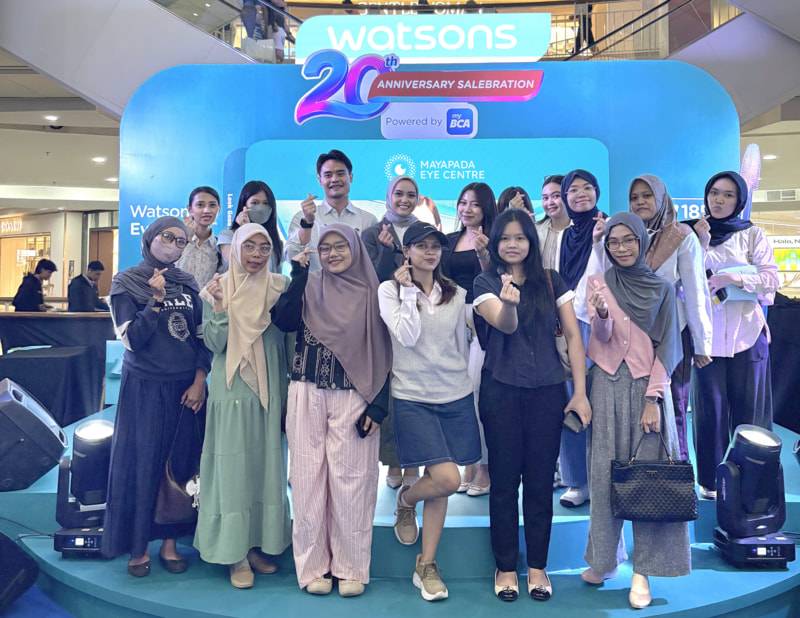
In collaboration with Watsons, MEC previously held an educational talk show on the importance of understanding eye health and undergoing regular eye examinations on Thursday, 1 October 2026, at Mall Kelapa Gading in North Jakarta. Dr Rahayu participated as a speaker at the event.
These initiatives form part of MEC’s commitment to providing comprehensive eye care, from education and early detection to diagnosis and treatment using the latest technology. MEC operates at Mayapada Hospital South Jakarta and Mayapada Tower 2 Sudirman, offering services including SMILE Pro, SMILE Pro Hyperopic, LASIK, PRESBYOND and corneal cross-linking (CXL), as well as surgery for cataracts and glaucoma and specialised retinal care.
To provide a more personalised and coordinated care experience, patients are also supported by a Vision Assistant (VIA) throughout their patient journey, from registration and examinations to post-procedure follow-up and preventive care guidance.
The public can access MEC’s services via WhatsApp VIA at +62 811-8858-088 or visit the official website at mayapadaeyecentre.com.