



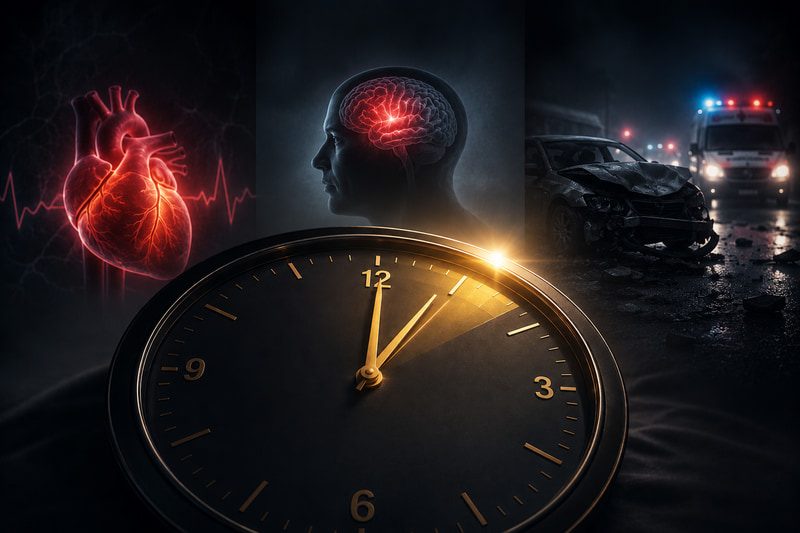
In medical emergencies, a delay of just a few minutes can increase the risk of organ damage, permanent disability, and more serious complications. That is why, in these kinds of situations, time is an invaluable factor in the success of treatment.
This concept is known as the golden period, the window of time during which a patient has the greatest opportunity to achieve the best possible treatment outcome. The golden period plays a vital role in a range of medical emergencies, including stroke, heart attack, and trauma caused by accidents. The sooner a patient receives appropriate treatment, the greater the likelihood of preserving organ function, preventing complications, and improving quality of life during recovery.
According to Dr M. Yoga Riyananda Isioni, Sp.N, from Mayapada Hospital Jakarta Timur, stroke is one of the conditions that depends heavily on prompt treatment.
“When blood flow to the brain is disrupted, brain cells begin to suffer damage due to a lack of oxygen. Therefore, symptoms such as facial drooping, weakness or numbness on one side of the body, slurred or impaired speech, and loss of balance should never be ignored. The sooner patients receive treatment within the golden period, the greater their chances of recovery,” explained Dr Yoga.
In stroke management, there is a target known as door-to-needle time, which refers to the interval between a patient’s arrival at hospital and the administration of clot-dissolving therapy. The recommended standard is less than 60 minutes.
The golden period is not only crucial for stroke but also applies to other medical emergencies, including heart attacks. Dr Filemon W. Sondakh, Sp.JP, FIHA, from Mayapada Hospital Jakarta Timur explained that a heart attack occurs when blood flow to the heart muscle is blocked, causing damage to the heart tissue.
“The sooner the blocked artery can be treated, the greater the chance of saving the heart muscle. Therefore, symptoms such as crushing chest pain that radiates to the arm, shoulder, jaw, or back, accompanied by shortness of breath, cold sweats, or nausea, require immediate medical attention,” explained Dr Filemon.
In the treatment of heart attacks, there is a target known as door-to-balloon time, which measures the interval from a patient’s arrival at hospital until the blocked coronary artery is successfully reopened through an interventional procedure. The recommended standard is less than 90 minutes.
In addition to stroke and heart attack, traumatic injuries caused by road traffic accidents, falls from height, or other severe injuries also require immediate treatment, as every second can determine a patient’s survival. In such situations, severe bleeding, airway obstruction, or organ damage can rapidly worsen if left untreated. Therefore, successful treatment depends not only on how quickly the patient receives medical assistance but also on the readiness of the healthcare system to provide prompt diagnosis and appropriate treatment.
To support the management of medical emergencies requiring a rapid response, Mayapada Hospital Jakarta Timur (MHJT) provides a 24/7 Emergency Department, supported by specialist doctors who are on-site around the clock. A multidisciplinary team comprising neurologists, cardiologists, surgeons, anaesthetists, radiologists, and other healthcare professionals enables rapid, accurate, and integrated assessment, diagnosis, and treatment tailored to each patient’s needs. These services are delivered in accordance with internationally recognised emergency care protocols, helping the hospital achieve treatment targets within the golden period so that patients receive the appropriate therapy as quickly as possible.
For further information, please contact the Call Centre on 150770, WhatsApp on 0817-17-150770, or the Emergency Call service on 150990. You can also access the emergency call feature through the MyCare application. In addition, the Personal Health feature allows users to monitor their fitness by tracking heart rate, step count, calories burned, and Body Mass Index (BMI).