



Measles remains one of the infectious diseases that should be watched out for, especially in children. This disease, also known as measles or morbilli, has a very high transmission rate and can cause serious complications if not properly treated.
Measles is caused by a virus that spreads through droplets or saliva splashes when an infected person coughs or sneezes. In fact, the virus can remain in the air for up to two hours after an infected person has left the room, making the risk of transmission in enclosed environments very high.
From Early Symptoms to the Characteristic Rash
Clinically, measles has three stages of development. In the early stage, or prodromal phase, which lasts 2–4 days, children usually experience a high fever accompanied by the 3Cs, namely cough, coryza, and conjunctivitis. During this phase, a characteristic sign called Koplik spots may also appear, which are bright red spots on the inside of the cheeks with greyish speckled patches.
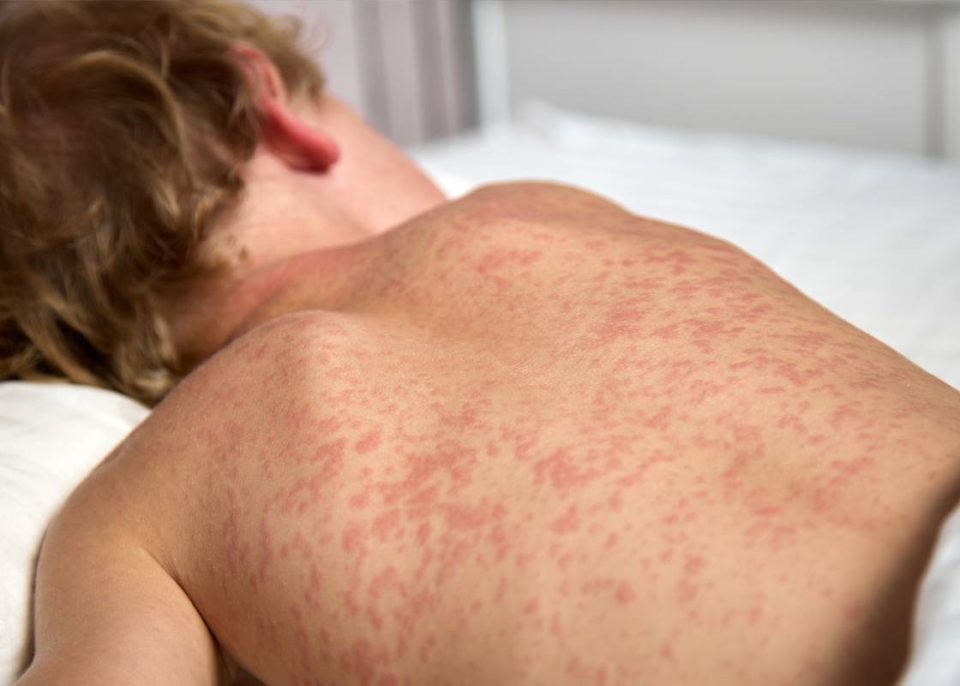
Next, during the exanthem phase, a reddish rash appears, starting from the area behind the ears and along the hairline before spreading to the face, neck and the rest of the body. During this phase, the fever usually reaches its peak, up to 40°C, on the second or third day after the rash appears.
During the recovery, or convalescent, phase, the rash will generally gradually disappear after 3–4 days and leave a brownish discolouration before eventually fading completely.
At Risk of Serious Complications
Although it is often considered a common childhood illness, measles can cause serious complications. Some of these include pneumonia, ear infections, diarrhoea and even inflammation of the brain, or encephalitis.
Treatment for measles is supportive in nature, such as administering fever-reducing medication, ensuring adequate rest, maintaining fluid intake and providing vitamin A to help support the immune system and reduce the risk of complications.
Vaccination: The Most Effective Protection
The most effective preventive measure against measles is immunisation with the MR/MMR vaccine (Measles Rubella/Mumps Measles Rubella). This vaccine has been proven to be up to 93% effective after one dose, increasing to 97% after two doses.
The MR vaccine is recommended to be given from 9 months of age, followed by subsequent doses at 15–18 months and 5–7 years of age.
According to dr. Nur Latifah Amilda, Sp.A, a paediatrician at Bethsaida Hospital Serang, giving the vaccine before 9 months of age is not yet optimal because babies still have natural antibodies from their mothers. “If the vaccine is given too early, the mother’s antibodies can neutralise the vaccine so that immunity is not formed optimally. Therefore, it is important to follow the recommended immunisation schedule,” she explained.
Protection for Babies Under 9 Months
For babies who have not yet reached the age for vaccination, protection can still be provided through an environmental approach. One such method is the cocoon strategy, which means ensuring that all family members and close contacts have received the MR/MMR vaccine.
“Babies under 9 months of age cannot yet receive optimal vaccine protection, so the best protection comes from the surrounding environment. By ensuring that the people closest to them have been vaccinated, we create a ‘layered protection’ so the virus does not reach the baby,” added dr. Nur Latifah.
In addition, parents are also advised to limit their baby’s contact with people who are sick, avoid crowds, especially in enclosed spaces, and maintain cleanliness by washing their hands and changing clothes after travelling.
As part of Bethsaida Healthcare, Bethsaida Hospital Serang remains committed to providing comprehensive healthcare services, including child health protection through the Women & Children Center.
This centre provides integrated services ranging from paediatric specialist consultations and child growth and development monitoring to complete immunisation and the treatment of infectious diseases in children. All services are supported by modern facilities and an experienced medical team to ensure that every child receives optimal care from an early stage.
“We do not only focus on treatment, but also on prevention efforts and health education for the community. Through integrated services based on patient-centred care, we are committed to accompanying parents through every stage of a child’s growth and development—from early detection, immunisation, to appropriate medical treatment. With the support of modern facilities and a multidisciplinary team, we hope to provide optimal protection and improve children’s overall health quality,” concluded dr. Tirta Mulya, Director of Bethsaida Hospital Serang.