




‘Sisa Malam’ is a solid debut album from Zhafari, best known as the lead vocalist of alternative-pop band Voxxes, but it lacks the ‘wow’ factor needed to stand out in today’s increasingly perilous music landscape.
Something made my skin shudder in horror very recently. I just saw an advertisement on YouTube about Spotify launching a new feature called “AI Playlist”. I did a little digging on Spotify’s official website afterwards to find out more, and as it turned out, with “AI Playlist”, any Spotify Premium user on mobile can create a playlist by simply typing down a unique English-language prompt: moods, places, animals, movie characters, or even emojis. To me, this artificial intelligence (AI)-driven feature felt like the beginning of the music apocalypse. Why? Because “AI Playlist” could end up fostering music listeners’ laziness in organically and purposefully discovering new music and, henceforth, new artists.
Even without AI entering our headsets, it is already hard enough to make music listeners notice the existence of the fresh-faced, breakthrough artists. Talent shows like Indonesian Idol used to be the ‘sure thing’ for aspiring artists to get noticed. However, its recent alumni’s zero presence in the 2026 AMI Awards’ Best New Artist category has sent an alarming signal: that the impact of this so-called ‘sure thing’ talent show is now waning. Digital campaigns used to help, but as we can see today, the competition to obtain a viral status in the social media sphere has become a lot fiercer than the competition in the actual music industry, as artists must also go toe-to-toe against seasoned content creators and the breaking news of the day. (Also, as I have discovered time and time again, lots of casual music listeners out there don’t even actually remember the name of the artist behind those viral hits.)
In light of these precarious times, perhaps to a certain degree, Zhafari’s decision to re-introduce himself as a soloist by releasing his debut full-length album, Sisa Malam, in late September this year feels a bit ill-timed. The most ardent Indonesian music lovers might have already known Zhafari for his work as the vocalist of the alternative-pop band Voxxes. That being said, without diminishing the band’s genuine talent and artistry, Voxxes is not exactly one of the biggest and most well-known bands in the country—at least, not right now. This means that Zhafari’s work as part of Voxxes may not be able to help much in drawing public attention to Sisa Malam. With no ‘sure thing’ foundation to have its back, this record may have to stand on its own feet only.
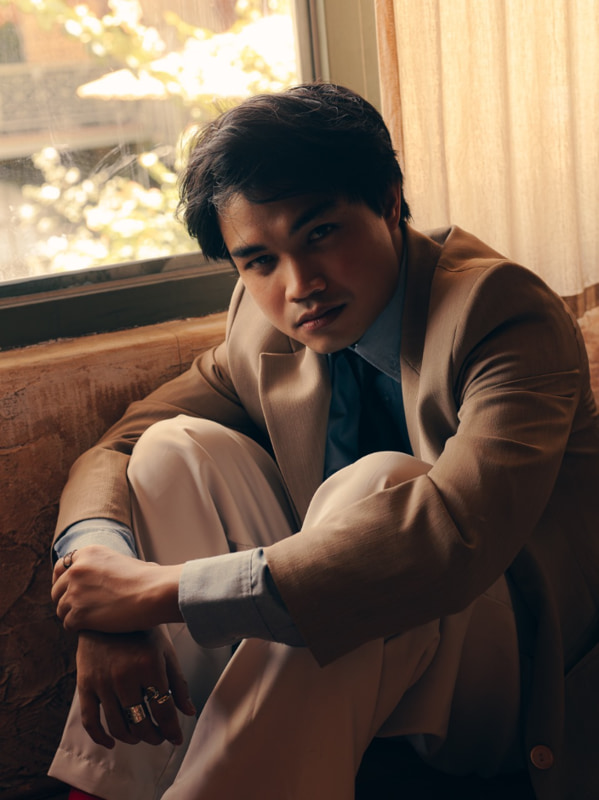
Fortunately, Sisa Malam is not a bad record. Even without reading the album’s accompanying press release, any attentive music listener who is willing to listen to Sisa Malam from start to finish would certainly be able to fathom the nocturnal mystique that Zhafari created. In terms of music production, Sisa Malam is a pop-rock and soft-rock record that predominantly borrows its influence from Indonesia’s 2000s-era music scene. The catch, however, is that Zhafari sonically trades up stadium-ready energy for a much more subdued and contemplative soundscape. Sisa Malam, as a result, would pair very well for music listeners who are either burning the midnight oil or in the mood for a sleepless night. In terms of crafting a cohesive sound and building an unmistakable ambience, Zhafari succeeds.
Sisa Malam‘s strongest tracks, ironically, are the ones in which Zhafari is willing to enter the much darker hours—emotionally and also, quite literally. The final track, “Melodi”, is, hands down, the album’s finest moment due to how seductively unhinged the ballad sounds, which is a great compliment to the song’s producer, RIMALDI. Accompanied by somewhat twisted-sounding piano and strings, Zhafari’s gentle baritone makes the song’s rock bottom of overthinking-ness both genuinely empathetic and creatively mesmerising. The dramatic build-up in the song’s final chorus adds a nice, rousing touch to the ballad as well.
A couple of other tracks also help Sisa Malam glow and, consequently, do Zhafari’s talent justice. The album’s fifth track, “Tanpa Diriku”, emerges as a musical masterclass on how to bring a maximalist emotion in a minimalistic production, with Zhafari’s raspy vocals in the song’s final chorus subtly adding a complex, fascinating emotional layer on top of the ballad’s valediction. “Seperti Mati” shows that Zhafari is not afraid to be nakedly raw, as he delivers his desperation with an impressive, do-or-die commitment. Kudos as well to the song’s producer, Rayhan Rizki Ramadhan, for making sure that the sonic production that wraps up Zhafari’s vulnerability in “Seperti Mati” doesn’t come across as either cliché or straight-up weepy.
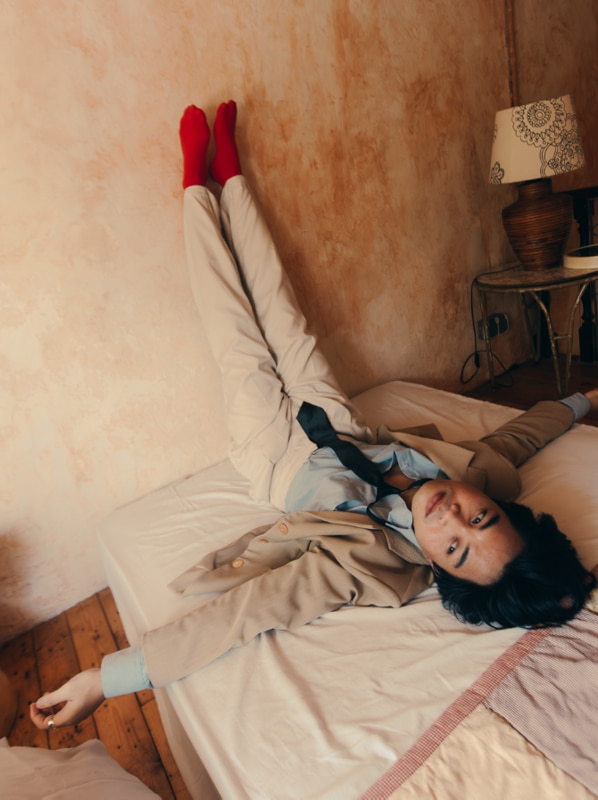
But here’s the bad news: Sisa Malam gets lost in the night when Zhafari himself gets lost in his throwback inspiration. Zhafari’s vocal sounds strangely too nasal in “Di Sisa Hidupku”—which might be due to poor vocal direction—and, subsequently, makes Zhafari sound like he’s trying too hard to emulate Hijau Daun’s Dedi Irawan. “Hingga Kau Kembali” delivers another awkward execution, though this time, Zhafari’s vocal sounds too similar to the younger Ariel. On top of that, despite the song’s modern-nostalgia mood, “Hingga Kau Kembali” lacks the gripping hook that was once the signature trademark of Indonesia’s 2000s-era pop music scene.
A similar flaw also exists in the album‘s opener, “Bunga”, and its follow-up, “September”. Both are pleasant enough tracks, but they don’t necessarily have strong enough melodies to make the songs effortlessly memorable and rhythmically irresistible. In terms of lyrics, “Batas Waktu” is the album’s weakest track, as it contributes nothing new to the age-old pop music’s trope of yearning melancholia.
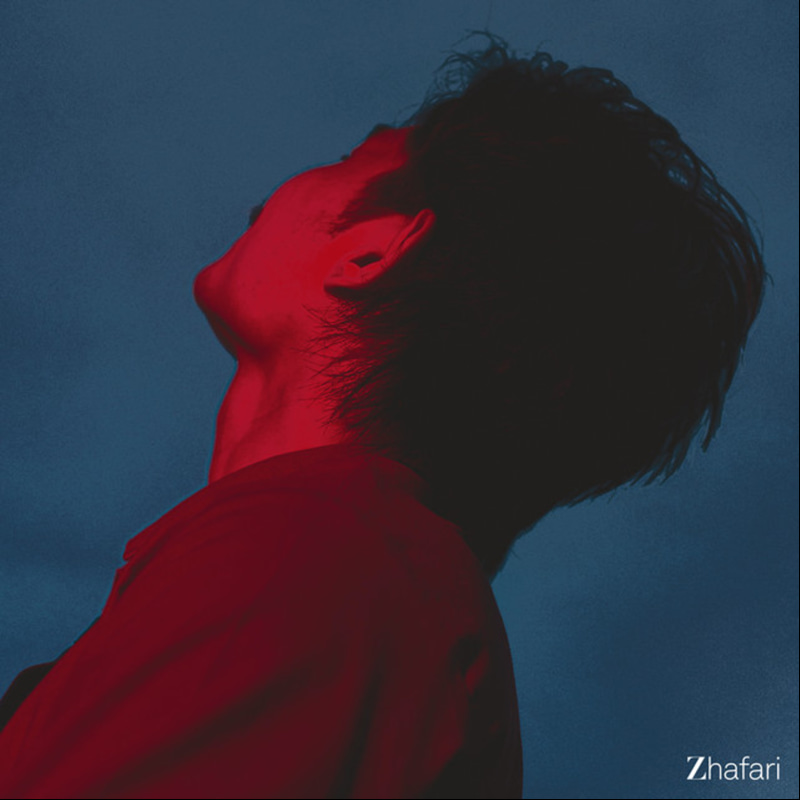
As a debut full-length album, Zhafari’s Sisa Malam is a decent record worth your midnight blues. Unfortunately, at the end of the day, the album lacks that breath-taking, show-stopping, knock-our-socks-off element to turn it into a commanding artistic declaration. With this assessment in mind, unless there is a clever way to introduce Sisa Malam to music audiences, I’m afraid it would be quite an uphill battle for this particular record to organically draw widespread attention from the public. Making matters more difficult, as there have already been plenty of contemporary artists before Zhafari who adopted a similar 2000s-era throwback vibe in their recent records, this particular sonic direction has nowadays started losing its freshness. Time might eventually give spotlight to Sisa Malam, just like how Overnight’s “Kita Lewati Berdua” finally became a hit two years after its release. But alas, betting on time is basically the same as betting on uncertainty—and it’s up to Zhafari whether he can afford both.
Seeing what our reality has become, Zhafari and his fellow breakthrough artists must better figure out how to stand out, assert themselves musically, and be unignorable. Otherwise, their passion and their earnest work could get easily lost in the bottomless sea of music releases—with AI now dangerously striving to be its Poseidon.
All images are courtesy of Zhafari/Dotts Records.