



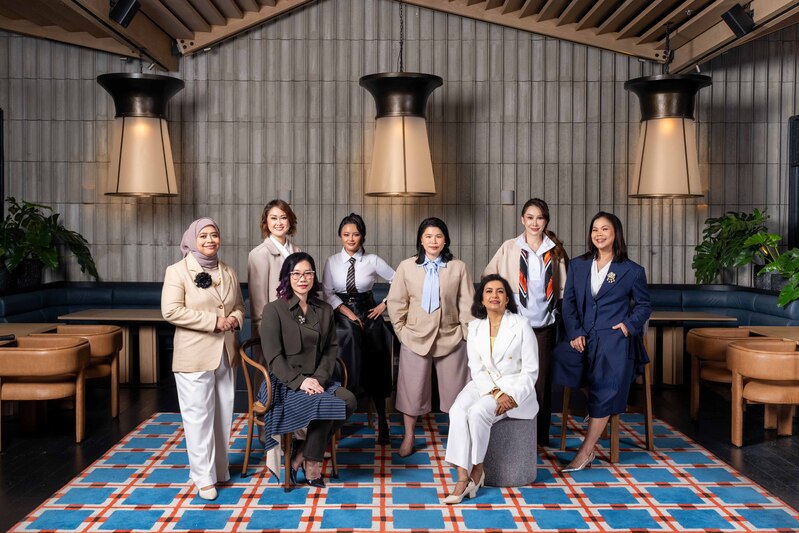
Across industries today, leadership is evolving in ways that feel both visible and quietly transformative. More women are stepping into leadership roles not as a trend, but as part of a broader shift in how organisations grow and operate.
According to global reports such as McKinsey’s Women in the Workplace, female representation in senior leadership has steadily increased over the past decade, with women now holding approximately 28–30% of C-suite roles globally—still a minority, but the highest it has ever been. In Southeast Asia, the momentum is even more notable, with countries like Indonesia showing strong female participation in business leadership compared to global averages.
But beyond the numbers, what often stands out is not just representation—it is the approach. Many organisations have begun to recognise that leadership shaped by women often brings a different dimension: one that balances decisiveness with empathy, structure with intuition, and performance with people. It shows up in how teams are nurtured, how decisions are made, and how long-term sustainability is built—not always loudly, but consistently.
At ISMAYA Group, leadership does not announce itself loudly. It shows up in decisions, in direction, and in the way people move the business forward day by day, often without needing to call attention to it.
In this broader context, ISMAYA Group reflects a shift that is already happening across industries, where leadership by women is not positioned as something exceptional, but as part of how organisations naturally evolve.
Today, 80% of ISMAYA Group’s top management are women. They lead across finance, marketing, operations, supply chain, human resources, and market expansion—areas that, for a long time, were rarely associated with women at the top.
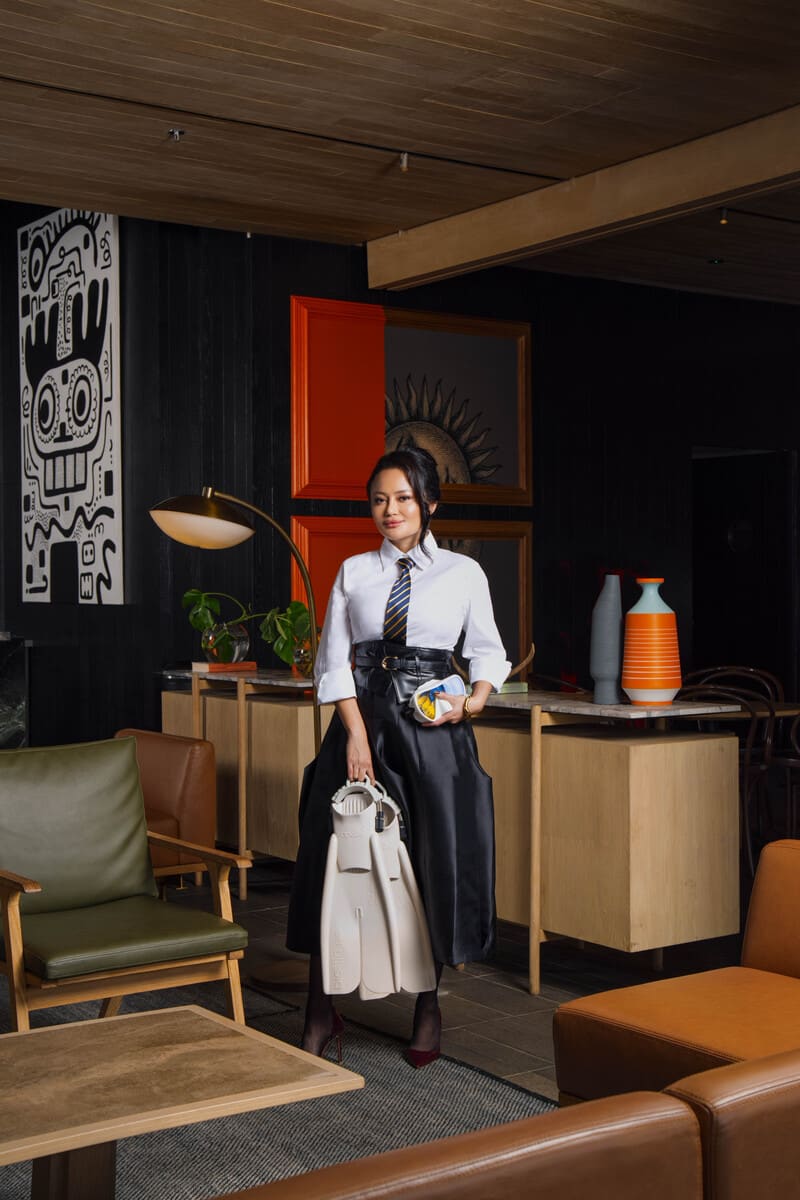
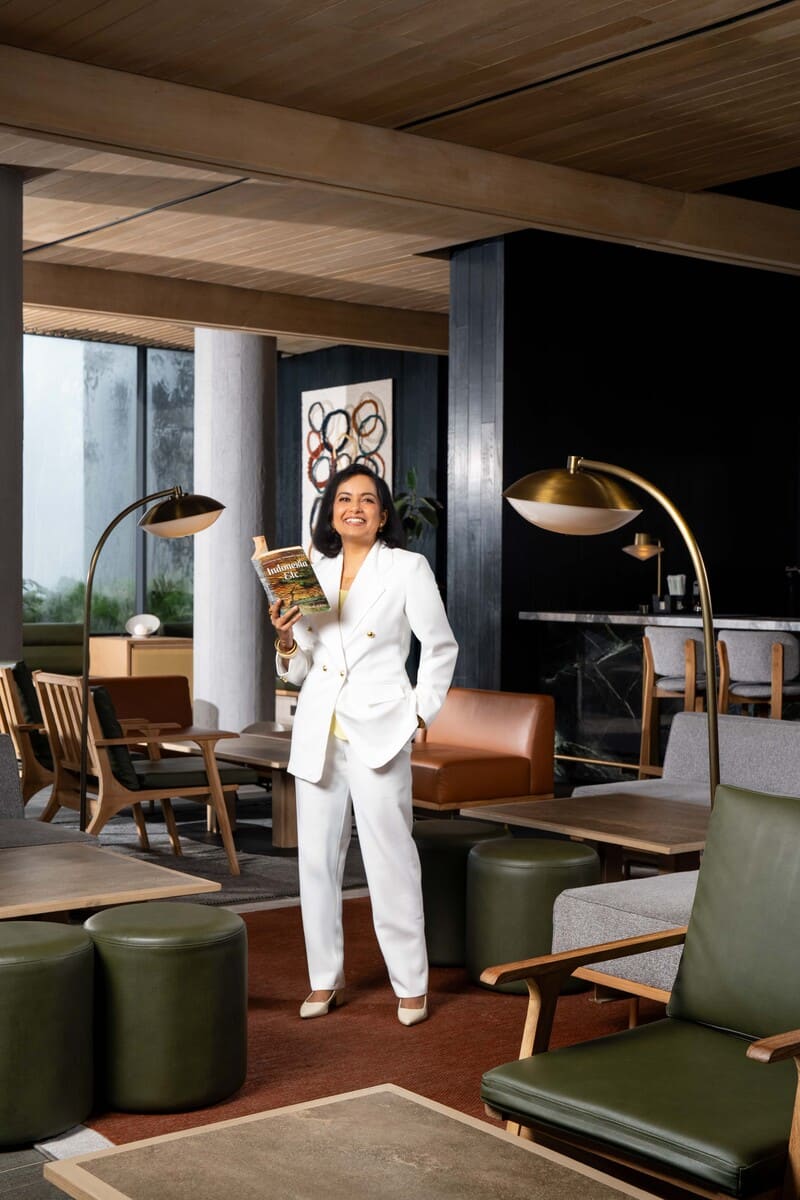
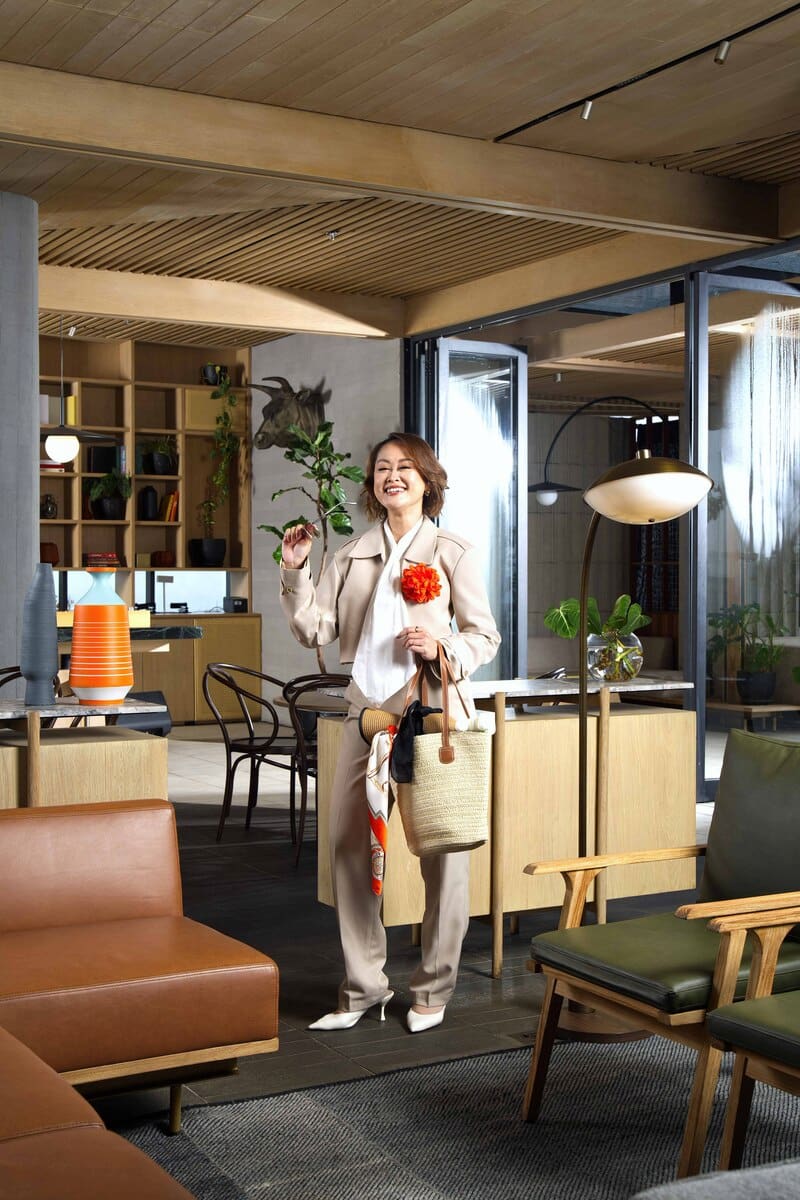
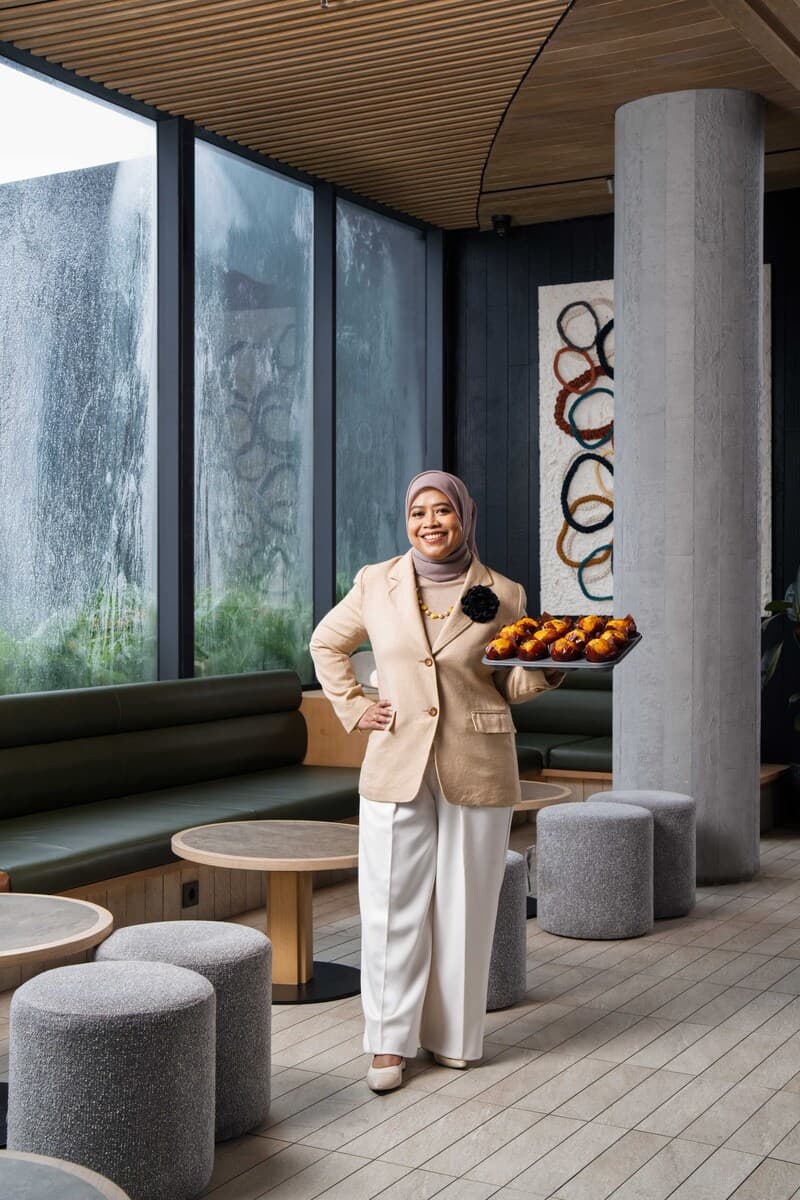
For Cendyarani, President Director & CFO, that evolution was never about proving a point. Leadership, in her view, is not defined by gender but by readiness. In her experience, women are not waiting to be given space—they have already stepped into it, often while carrying responsibilities that extend far beyond the workplace. Her own path into leadership was shaped not by the roles people competed for, but by the ones they avoided—uncertain situations, sometimes messy, where businesses needed rebuilding, and teams required direction.
It was in those spaces, she reflects, that leadership became real—not something learned from frameworks, but something built through decisions made without complete answers, and the willingness to keep moving forward. That experience continues to shape how she leads today: direct, clear, and grounded. She believes people deserve to know where they stand, what is expected, and what good looks like. From there, trust follows, giving teams the space to take ownership, grow into their roles, and move the business forward with confidence.
This sense of grounded leadership echoes across the wider team.
For Rika S. Jatnikaningsih, HR Director, leadership begins with people in the most human sense—understanding that behind every role is an individual navigating expectations, growth, and change. In many ways, it reflects a quiet form of progress, where women are not only part of the workforce but actively shaping the environment for others to grow within it.
That same sense of clarity carries into how Devleena Sashital, Director of Marketing for Restaurant Concepts, approaches her role. Leading marketing for restaurant concepts, she leans into ownership and trust, believing that strong teams are not built through constant direction, but through setting clear standards and allowing people the space to deliver. It is a balance between being hands-on where it matters and stepping back when the team is ready—a confidence that comes from experience.
From there, leadership takes on a more intuitive dimension in the hands of Anggun Melati, Senior Vice President of Marketing Lifestyle Concepts. For her, it is closely tied to understanding people—how they live, what they connect with, and what makes an experience meaningful. In shaping lifestyle brands, she brings together intuition and strategy, creating narratives that feel both relevant and real.
That understanding of people is then translated into execution by Diana Abbas, Operations Director of Lifestyle Concepts, who operates in a space where precision meets unpredictability. Leading operations means making decisions quickly, often without having all the information. Over time, it becomes less about having the perfect answer and more about having the confidence to act, adjust, and keep things moving.
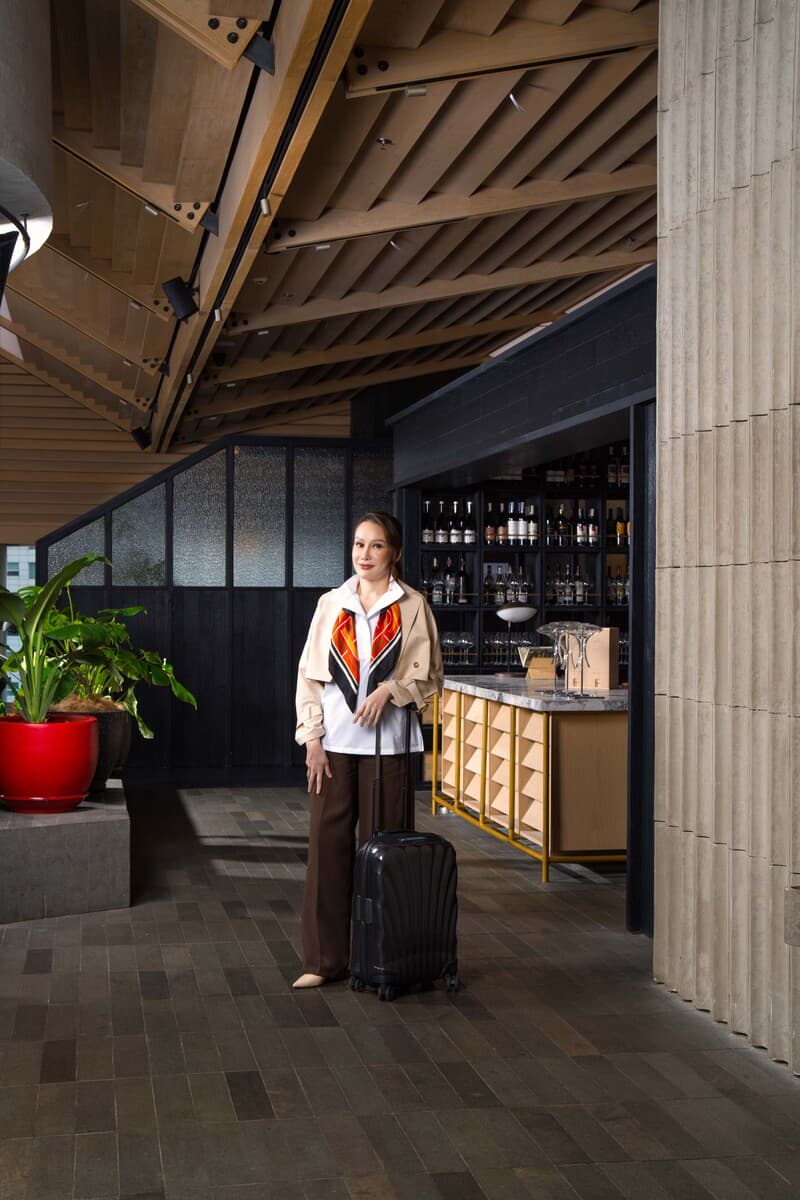
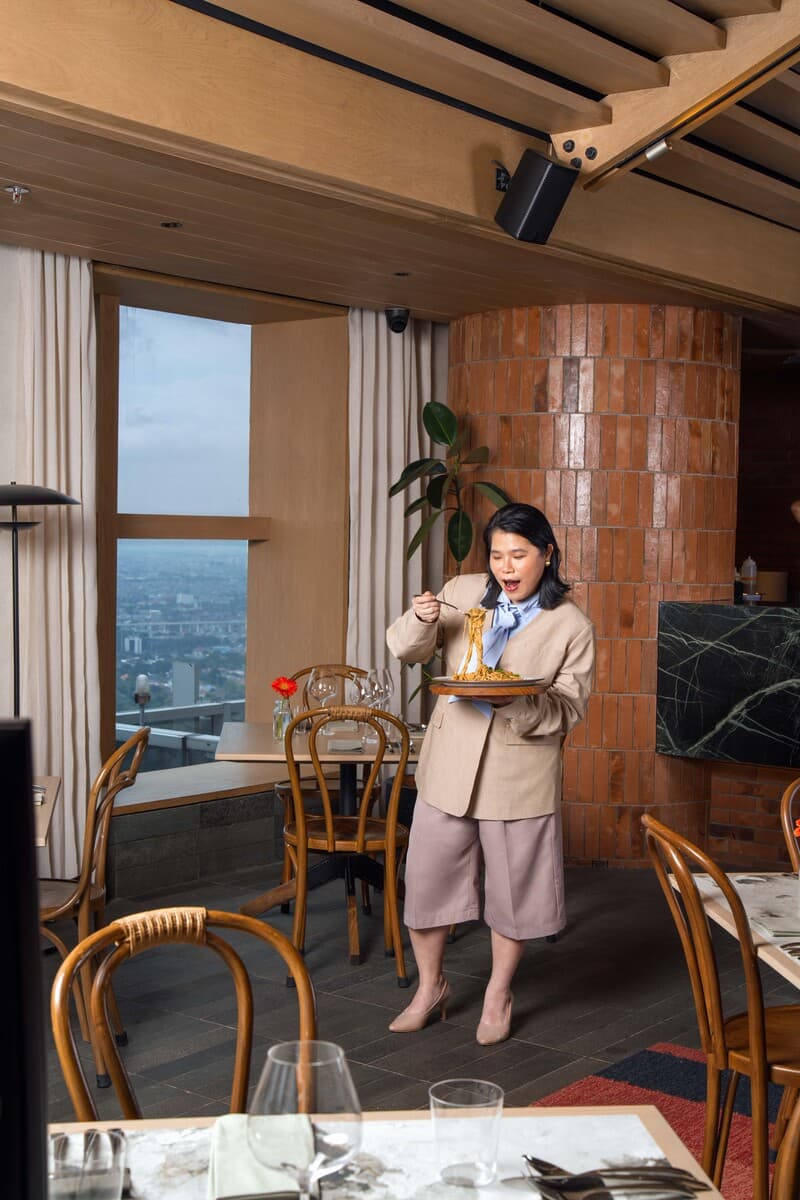
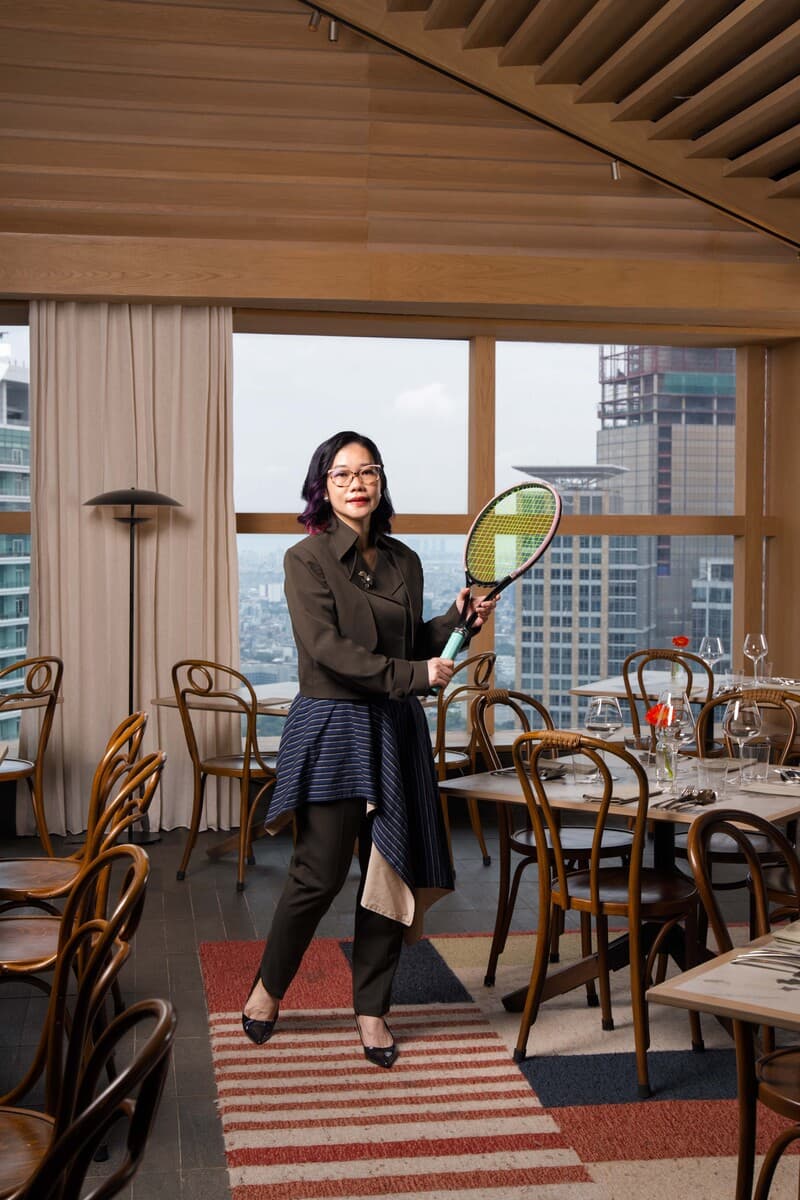
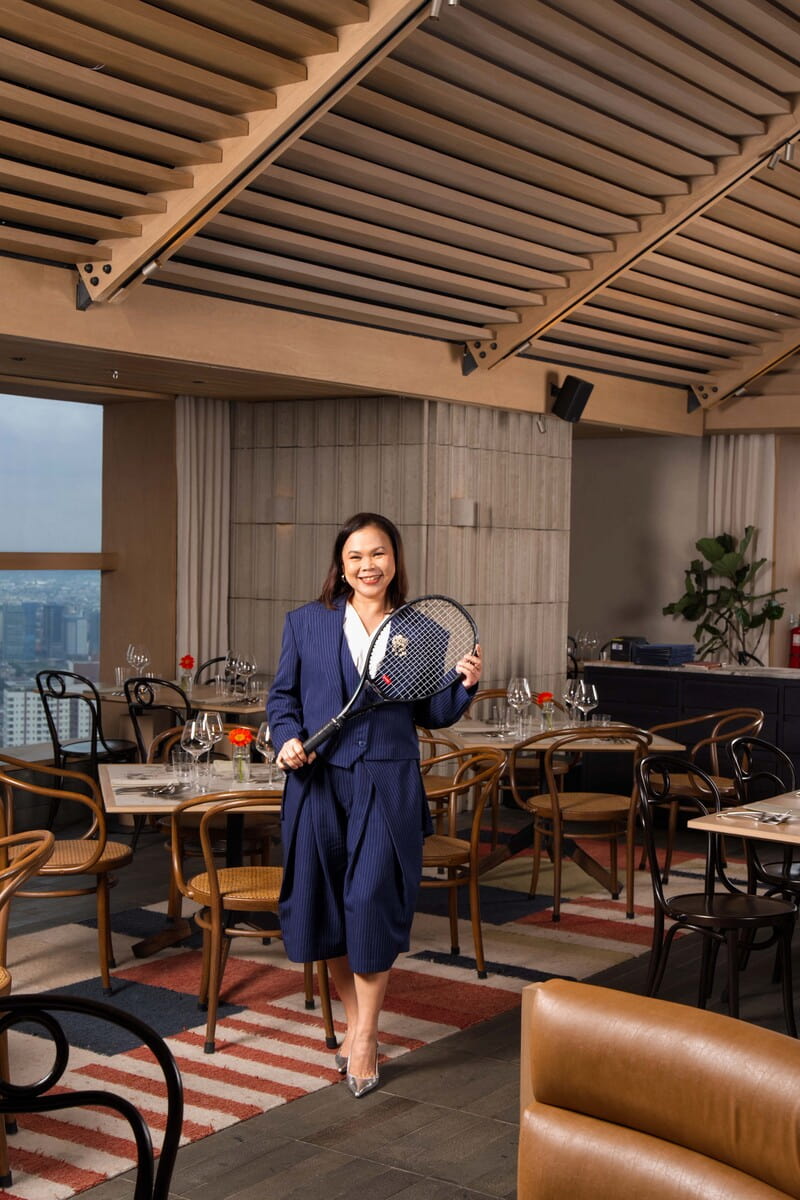
A similar discipline is reflected on the restaurant side, where May Wiji Astuti, Senior Vice President of Operations, Restaurant Concepts, ensures that strategy translates into something tangible—something customers can feel consistently across outlets. It is a role that demands focus, structure, and the ability to prioritise what matters most in fast-moving environments.
Behind it all, Villisia Yolanda, Senior Vice President of Supply Chain, leads in a space that is often unseen, yet essential. Her work keeps systems and processes running seamlessly, requiring decisiveness and adaptability, especially in moments where quick action must be taken, even with incomplete information.
And as the business continues to grow, Martha M. Tambunan, Vice President of Market Expansion, looks ahead. For her, leadership is about seeing possibilities before they fully take shape, identifying where the business can go next, and having the confidence to step into new spaces, even when the path is still being defined.
Across these journeys, there are shared experiences that often go unspoken. Moments of doubt, for instance, questions that surface quietly when stepping into bigger roles. But over time, these moments are not met by waiting for certainty, but by focusing on the work itself. Delivering results becomes the way forward, gradually replacing doubt with something more steady and grounded.
The idea of balance evolves along the way as well. It becomes less about achieving a perfect split and more about allowing different parts of life to exist side by side. Some weeks lean more heavily into work, while others shift towards family. Over time, these rhythms begin to integrate, shaping a way of living that feels less like balance and more like sustainability.
In the end, it comes together not through grand gestures, but through progress that feels real and lived. The idea that women can learn, lead, and shape their own paths is no longer something distant—it is already happening, every day, within spaces like ISMAYA Group. Here, women in leadership are not framed as a milestone or a statement; it simply exists, naturally and consistently. And when leadership feels this normal, the next generation does not have to imagine what is possible—they can already see it.