



These Indonesian artisans and entrepreneurs may work with different materials, techniques, and traditions, but their journeys share a common belief: true value comes from purpose beyond profit.
In her letters, Raden Adjeng Kartini, known as an Indonesian advocate of women’s rights and education, often reflected on the importance of creativity, knowledge, and the dignity of human work. For her, artisans were not only creating objects but also preserving skills, knowledge, and cultural identity.
More than a century later, Kartini’s vision continues through Indonesian artisans and creative entrepreneurs who transform traditional knowledge into creations that remain relevant today. Behind every handcrafted piece lies a story of patience, experimentation, and skills passed down through generations by makers dedicated to preserving these traditions.
More Than Craft: A Solidarity Economy
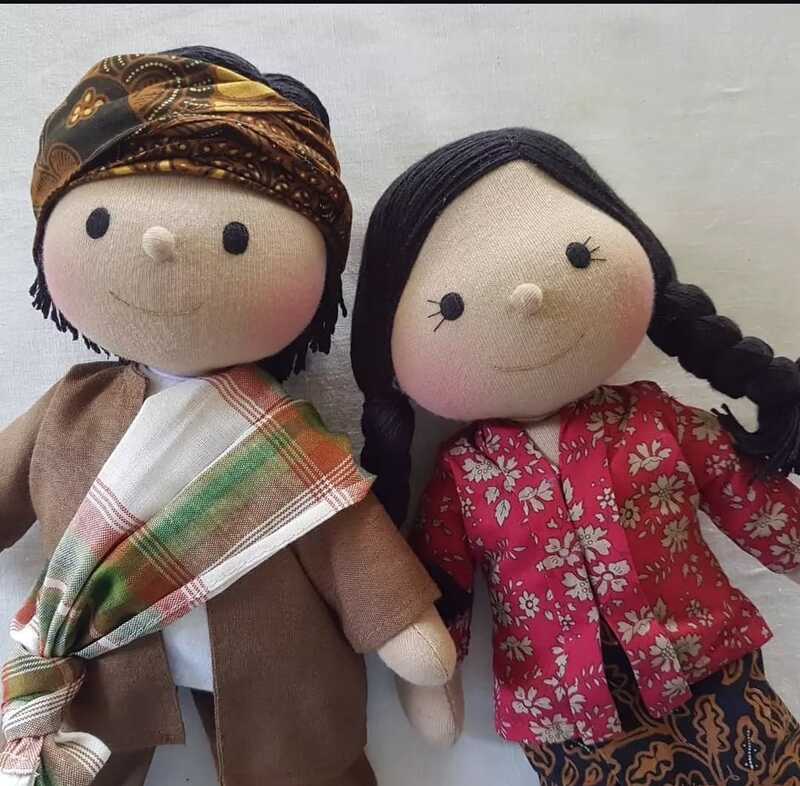
The story of Circa Handmade began in 2006, when Ukke R. Kosasih began exploring what true empowerment meant. She questioned whether financial assistance alone could create lasting change.
“If women do not have self-esteem, giving them funds may not necessarily change their situation,” she explains.
In Cihanjuang, West Bandung, Ukke saw many women facing limited opportunities, and thus, she began exploring ways to support them. She invited her neighbour, Wati, who had only a junior high school education, to create fabric dolls together. The project grew into Circa Handmade: a community built on dignity, respect, and solidarity.
“We built a family,” she says. “Humanity comes before profit. Profit is not the purpose; it is the fuel that allows us to continue creating impact and fulfilling our purpose.”
Turning Heritage into a Sustainable Business
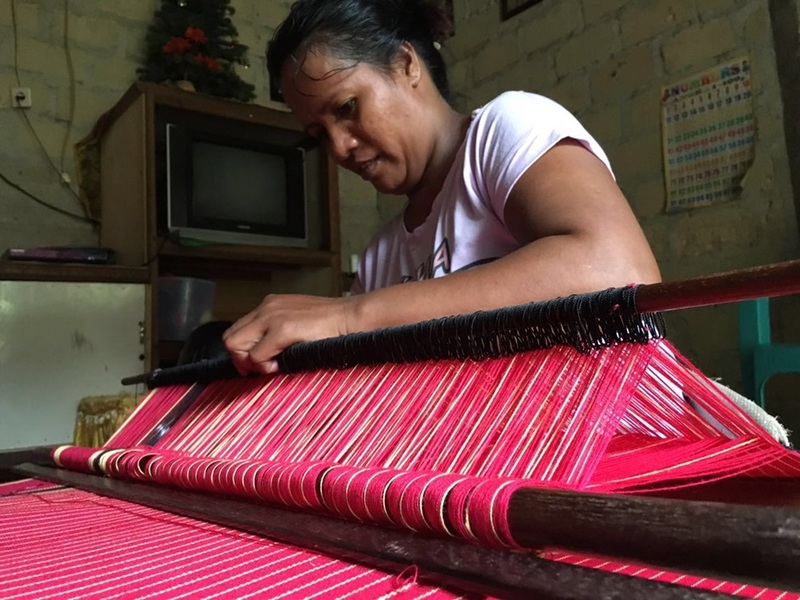
A journey back to Tanimbar, located in Indonesia’s eastern Maluku Province, became the beginning of Hiyashinta Klise’s vision for Lamerenan.
“When my father invited me to return to Tanimbar for the first time in 2011, I immediately fell in love with its traditions and culture,” she reminisces.
In 2014, after learning how social enterprises support traditional weavers, Hiyashinta saw an opportunity to promote the Tanimbar weaving while also supporting the local artisans.
“I realised that, perhaps, this could be a way to promote Tanimbar, encourage the weavers to continue weaving because their textiles could reach a wider market,” she continues. “The driving force is my love for my ancestral land and my desire to care for life.”
Today, sustainability guides Lamerenan’s decisions, from using natural dyes to respecting the rhythm of the weaving community.
Growing Through Craftsmanship and Patience
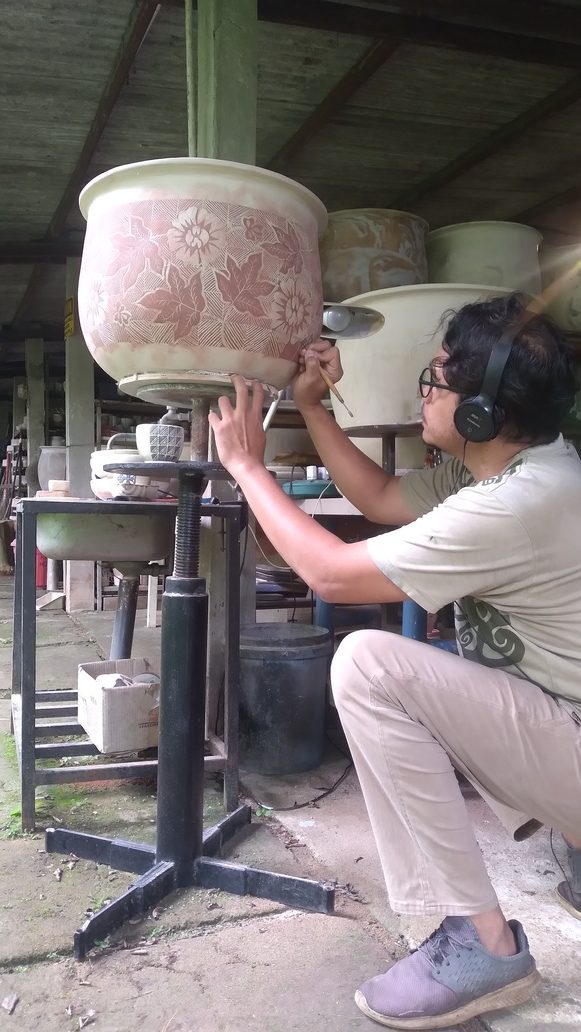
At Pekunden Pottery, clay has been part of Bregas Harrimardoyo’s life for as long as he can remember.
“My father started a small pottery studio in Jakarta in 1987 when I was five,” he recalls. “Since then, the ceramic studio has been my playground.”
Growing up surrounded by clay, Bregas developed the family studio by combining sgraffito techniques with Indonesian-inspired patterns and experimental glazing. One of his biggest challenges has been how to help customers understand the value behind handmade ceramics.
“They need to understand the story behind the work, from the ideas to the end product of that idea,” he says.
Moreover, even though social media helps introduce his work, Bregas believes direct interaction creates a deeper connection.
“Consistency and patience are the keys. As time goes by, the right market will find you,” he adds.
Preserving Identity Through Collaboration
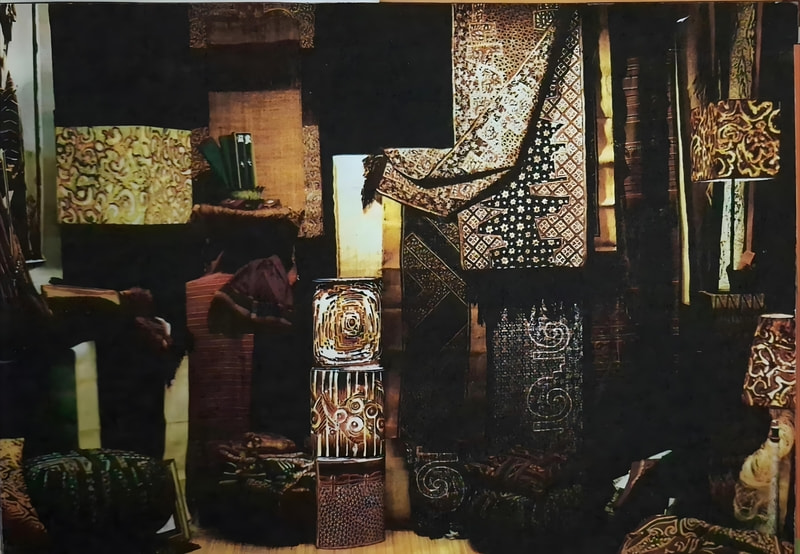
Since establishing Jakarta-based Djawa in 1998, designer Benny Adrianto has been exploring Indonesia’s cultural diversity through collaborations with artisans across the country, transforming traditional crafts into contemporary works.
“The richness of Indonesia’s culture, customs, natural resources, and human skills inspires me. This diversity must continue to be explored and utilised,” he explains.
Benny combines materials and traditions from different regions, such as Sulawesi bark cloth and Solo calligraphy, in order to create contemporary designs while simultaneously preserving their cultural meaning.
“Selling local products with cultural meaning and value will make them more meaningful and valuable,” he continues.
For Benny, creativity requires continuous learning. He encourages young entrepreneurs to research and understand the cultural stories behind the traditions they incorporate into their work. Although his work has received international recognition, he sees achievements as part of the journey.
“Success is only part of the journey. The process of learning never ends,” he enthuses.
Rediscovering Forgotten Techniques
Curiosity marked the beginning of Anastasiacraft Crochet’s journey with tablet weaving in Solo, Central Java. Back in 2018, Anastasia Ika began exploring the technique simply because she wanted to try something different. What started as an experiment gradually became a passion for introducing a lesser-known Indonesian weaving tradition.
Anastasia’s first attempts, though, were far from perfect.
“When I first tried weaving tablets, the weaving was very messy, and the raw materials were also of poor quality,” she reminisces.
Through patience and experimentation, Anastasia improved her techniques and discovered new materials. However, one challenge remains: how to help people understand the skill behind the craft.
“Sometimes people see it and say, ‘Oh, it is only turning tablets’,” she says.
For Anastasia, tablet weaving is more than a technique; it is a heritage worth appreciating.
“Be brave to try, be brave to make mistakes, be brave to experiment with new materials,” she advises.
From Handmade Product to Creative Experience
A simple handmade notebook marked the beginning of Karlina Satrioputri’s journey with Kertasbykarls Studio in Jakarta back in 2016. With a background in architecture and interior design, Karlina saw bookmaking as a way to combine design and storytelling.
“The first product was very simple—just HVS paper with a hand-drawn cover, stitched using the saddle stitch technique,” she divulges.
As Karlina’s work evolved, one of her biggest challenges was how to help people see her notebooks as more than everyday stationery.
“I wanted people to believe that my notebook products could serve as more than their original purpose—a special, handmade, curated, one-of-a-kind gift,” she says.
For Karlina, handmade work is not only about creating an object but also about creating experiences where creativity and human connection can flourish.
More Than a Product
Behind every creation is a reminder that meaningful businesses are built on more than commercial success alone. Although these artisans and entrepreneurs work with different materials, techniques, and traditions, their journeys share a common belief: true value comes from purpose beyond profit.
Ultimately, their stories show that craftsmanship is not only about preserving skills or creating beautiful objects but also about valuing people, protecting heritage, and building a sustainable future. Through patience, courage, and continuous learning, they transform their craft into more than a product—it becomes a livelihood, a connection between generations, and a legacy for the future. On top of that, these traditions continue to inspire generations to appreciate and protect Indonesia’s heritage.