



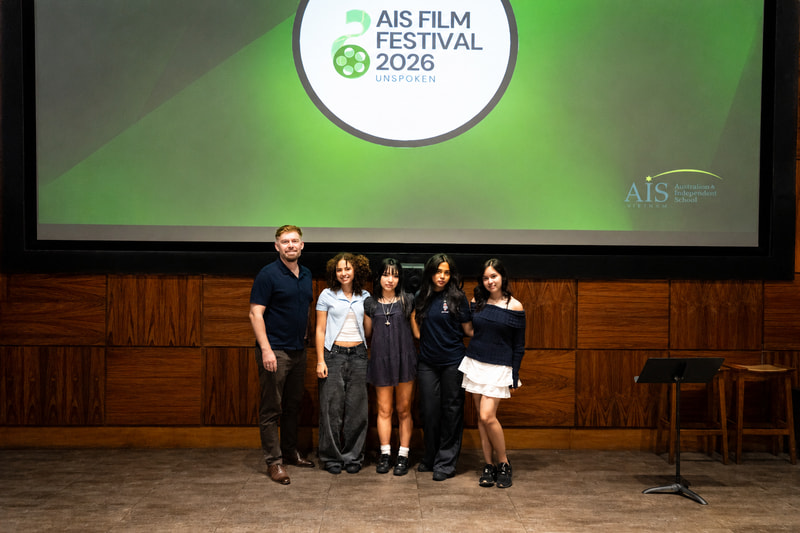
The Australian Independent School (AIS) Jakarta successfully held the AIS Film Festival 2026 at Queens Head Kemang, South Jakarta, on Tuesday, the 26th of May 2026, bringing together young filmmakers, parents, teachers, and film enthusiasts for an inspiring celebration of student creativity and storytelling.
Returning for its second edition since being revived after the pandemic, the AIS Film Festival 2026 showcased more than 60 student films created by participants aged between 10 and 18 years old from AIS Jakarta and other international schools. From artistic narratives to suspenseful horror films, the event highlighted the growing passion for filmmaking among students and demonstrated how film can become a powerful platform for self-expression.
This year’s festival carried the theme “Actions Speak Louder Than Words”, a concept carefully chosen to encourage young filmmakers to prioritise visual storytelling over excessive dialogue.
Indonesia Expat had a chance to talk to Robert Cavill, Film and Media Teacher at AIS Jakarta and director of the festival, who explained that the theme was designed to help students think more deeply about how stories can be communicated through visuals alone.
“The idea was to encourage filmmakers to focus on the visuals rather than relying too heavily on dialogue,” said Mr. Cavill. “Some stories do not need many words. There is something powerful about exploring emotion, meaning, and narrative visually.”
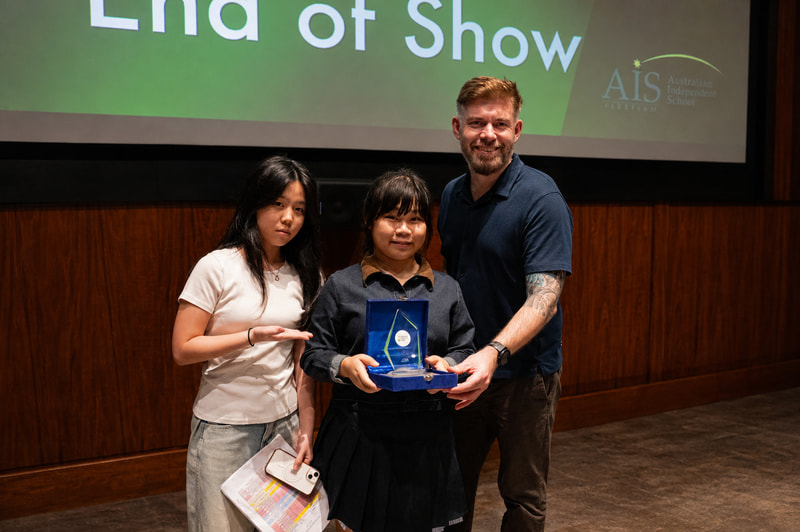
Mr. Cavill also shared that students played a significant role in shaping the event. A committee of 15 students was actively involved in organising the festival, from planning the categories and awards to presenting during the event itself.
“They do lots of the organisation. I like to give students autonomy. We discussed everything together, including the theme, the awards, and the age categories. The students were heavily involved in those decisions,” he explained.
The festival also forms part of the students’ extracurricular and creative experiences within the International Baccalaureate (IB) programme, allowing them to develop skills beyond the classroom through collaboration, leadership, and artistic exploration.
Although the event appeared seamless on the day, Mr. Cavill admitted that preparing the festival was far from easy. The entire process, from initial planning and film submissions to judging and screenings, took approximately six months.
And to ensure fairness in the judging process, AIS Film Festival’s committee assembled a panel of eight judges from different backgrounds, including school leaders and media professionals, to evaluate the entries across multiple categories.
Among the most impressive aspects of this year’s festival, according to Mr. Cavill, was the originality of the students’ storytelling. He said that one of the winning films felt more like art cinema than mainstream Hollywood storytelling. The documentaries were also incredibly moving because students were telling personal stories that might otherwise go unnoticed. He also praised the technical quality of many submissions.
Beyond technical achievement, Mr. Cavill emphasised the importance of providing students with a creative platform where they can pursue their passions.
“These students are making films because they genuinely want to tell stories. It is not simply a school assignment. They are creating something meaningful, collaborating with friends, and expressing themselves creatively. That is incredibly important in education,” he remarked.
The AIS Film Festival also received enthusiastic support from parents, many of whom expressed pride in seeing their children confidently create and present films at a young age.
Encouraging Support from Parents
Mr. Nor Azuan, one of the parents attending the festival, described the event as exciting and inspiring.
“When we see young children making films on their own, it is very impressive. You can see their confidence and their potential in every category today.”
Another parent, Mrs. Shafieza, said the festival gave children an important space to express their creativity and ideas.
“We can see how the children think and how they translate their ideas into films. It is wonderful to watch.”
Both parents highlighted the importance of providing moral and logistical support throughout the filmmaking process. Rather than controlling the creative direction, they preferred to give their children independence while helping where necessary. Furthermore, they added that parents should continue encouraging their children to participate in creative activities despite busy schedules.
For many students, the festival represented not only a competition but also an opportunity to learn, collaborate, and grow creatively.
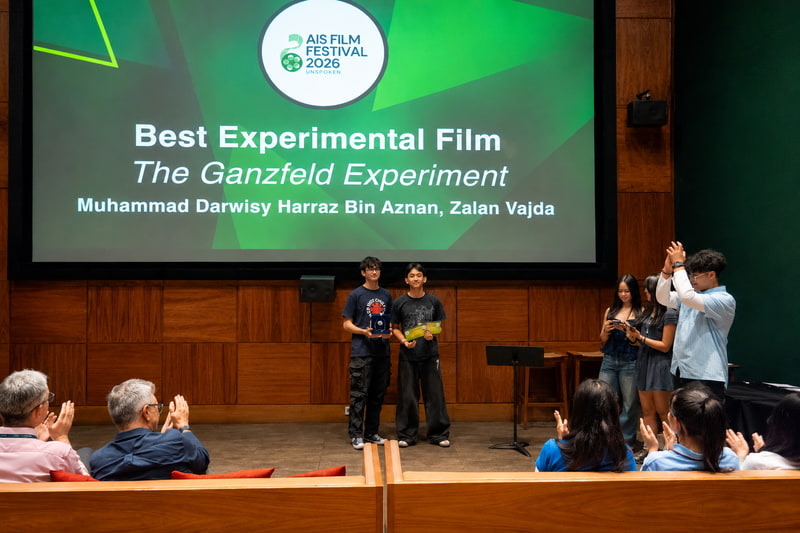
A Student’s Perspective on the Event Preparation
One of the student organisers and participants, Zelda from Year 11A at AIS Jakarta, took on multiple responsibilities during the event, including managing attendance, organising meals, presenting films, and participating as a filmmaker herself.
Her group submitted a horror film. It was her first official project within the school’s film subject.
“I really love how film strengthens creativity and collaboration. Film allows people to express their feelings, perspectives, and ideas in unique ways,” Zelda explained.
She described the filmmaking process as both challenging and rewarding. Her team of four students spent around four weeks filming and an additional two weeks editing the project. One of the biggest obstacles was coordinating schedules outside of school hours.
“We were all very busy, so finding the right time to film was difficult.”
Despite the challenges, Zelda said the most enjoyable aspect was working alongside friends and sharing memorable moments during production. She said that there were so many mistakes and bloopers while filming, but that made the experience fun. Even this process brought everyone closer together.
As both an organiser and filmmaker, Zelda hopes future editions of the festival will continue inspiring students to create meaningful memories and gain confidence through filmmaking.
As technology continues to make filmmaking more accessible, events like the AIS Film Festival are proving that powerful stories can come from anyone, regardless of age or experience. This event also demonstrated how creativity, collaboration, and storytelling can empower young people to share their voices with the world.
With growing participation and increasing interest from schools, AIS Jakarta already has ambitious plans for future editions of the festival. Mr. Cavill revealed that the school hopes to involve even more international and local schools in the coming years.